


Cat Breeds That Don’t Shed: Your Guide to Low-Allergen Felines
Many people believe that having a cat allergy makes pet ownership impossible. However, this is a common misconception. While no feline is completely hypoallergenic, discovering cat breeds that don’t shed heavily can make a huge difference. Furthermore, finding a low-shedding companion can help you enjoy pet ownership without constant sneezing.
Understanding Cat Breeds That Don’t Shed and Cat Allergies
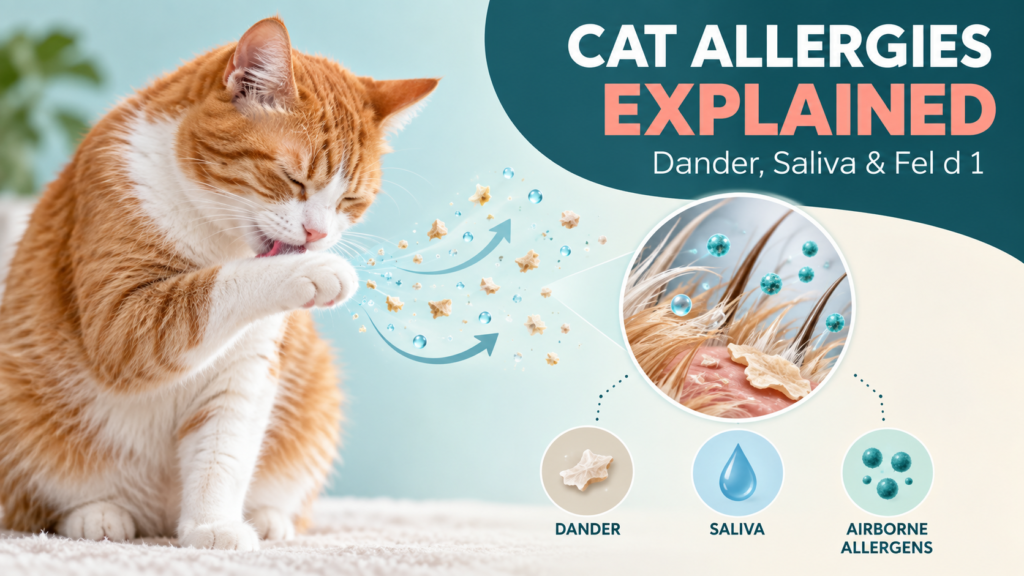
Cat shedding is a natural biological process where old or damaged hair follicles are replaced with new ones. This process, however, is also how cats distribute dander and allergens throughout their environment. The primary allergen, Fel d 1 protein, is not just on the fur; it is secreted by sebaceous glands in the skin, produced in saliva, and present in urine. When a cat grooms itself, it spreads saliva containing Fel d 1 onto its fur. As the fur dries and sheds, these microscopic allergen particles become airborne or settle on surfaces.
It is crucial to understand that even low-shedding cats still produce Fel d 1. Therefore, no cat is entirely non-allergenic. However, breeds that shed less or have unique coat structures can significantly reduce the amount of dander and allergen-laden fur released into your home. This reduction in environmental allergens can make a substantial difference for many allergy sufferers, allowing them to coexist more comfortably with a feline friend.
Top Cat Breeds That Don’t Shed (or Shed Minimally)
For those seeking a feline companion with reduced shedding, several breeds stand out due to their unique coat characteristics. These minimal shedding cat breeds offer a range of temperaments and appearances, providing options for various preferences.
Sphynx: The Hairless Wonder Among Low-Shedding Cats
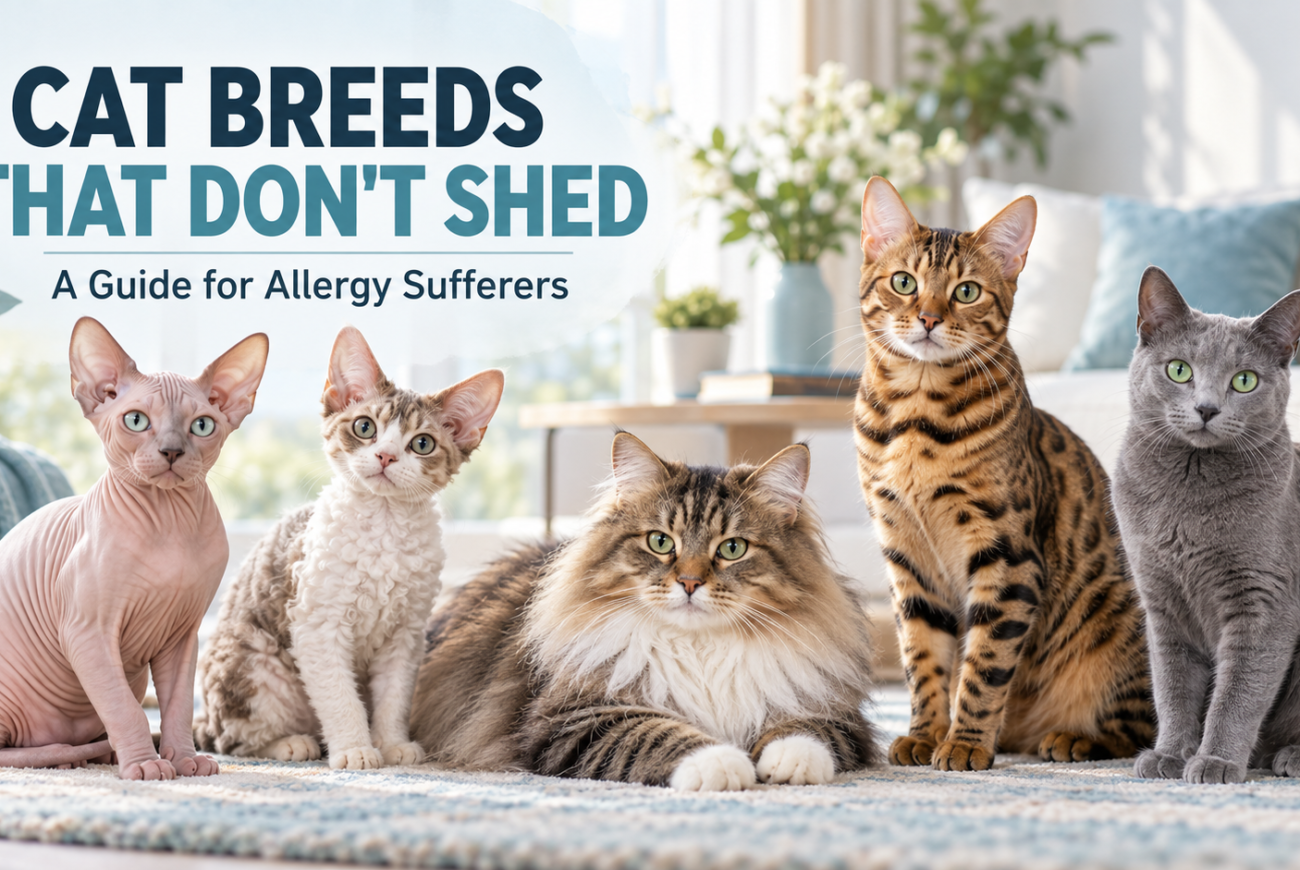
The Sphynx is perhaps the most recognized of the cat breeds that don’t shed, primarily because of its distinctive hairless appearance. While they lack a fur coat, they are not entirely maintenance-free. Their skin produces natural oils that would typically be absorbed by fur. Without fur, these oils accumulate, requiring regular bathing (typically weekly) to prevent skin issues and remove dander. Despite being hairless, Sphynx cats still produce Fel d 1 protein in their saliva and skin. However, the absence of fur means less dander and allergen distribution, making them a popular choice for some allergy sufferers. Sphynx cats are known for their affectionate, playful, and attention-seeking personalities.
Devon Rex and Cornish Rex: Curly Coats, Less Shedding
The Devon Rex and Cornish Rex are two distinct breeds known for their unique curly coats, which contribute to their status as cat breeds that don’t shed much. The Devon Rex possesses a single, soft, wavy coat consisting mostly of down hair, with very little guard hair. This sparse, delicate coat sheds minimally. Cornish Rex cats, on the other hand, lack guard hairs entirely, having only a soft, wavy undercoat. This unique coat structure means they shed significantly less than most other breeds, reducing the spread of dander. Both breeds are highly intelligent, playful, and mischievous, thriving on interaction with their human companions.
Siberian: A Surprising Low-Allergen Choice
The Siberian cat is a long-haired breed that often surprises people. Despite its luxurious triple coat, Siberians produce lower levels of the Fel d 1 protein compared to many other breeds. Consequently, this genetic trait makes them a viable option for allergy sufferers. Siberian cats are robust, agile, and gentle companions.
Bengal: Sleek Coat, Minimal Shedding
The Bengal cat, with its wild appearance, also boasts a short, dense, and often ‘pelt-like’ coat that sheds minimally. Their sleek fur is easy to maintain and does not tend to trap as much dander as longer, fluffier coats. Bengals are highly active, intelligent, and curious cats that require significant engagement and stimulation. Their playful nature and striking patterns make them a captivating companion for those seeking a minimal shedding cat.
Russian Blue: Elegant and Low-Maintenance
The Russian Blue is an elegant breed known for its striking blue-grey coat and emerald green eyes. Their dense, short double coat is unique in that it tends to hold dander close to the body rather than releasing it into the environment. This characteristic makes them one of the low-shedding cat breeds often recommended for allergy sufferers. Russian Blues are typically quiet, reserved, and loyal, forming strong bonds with their families while maintaining a somewhat independent nature.
Other Notable Cat Breeds That Don’t Shed Much
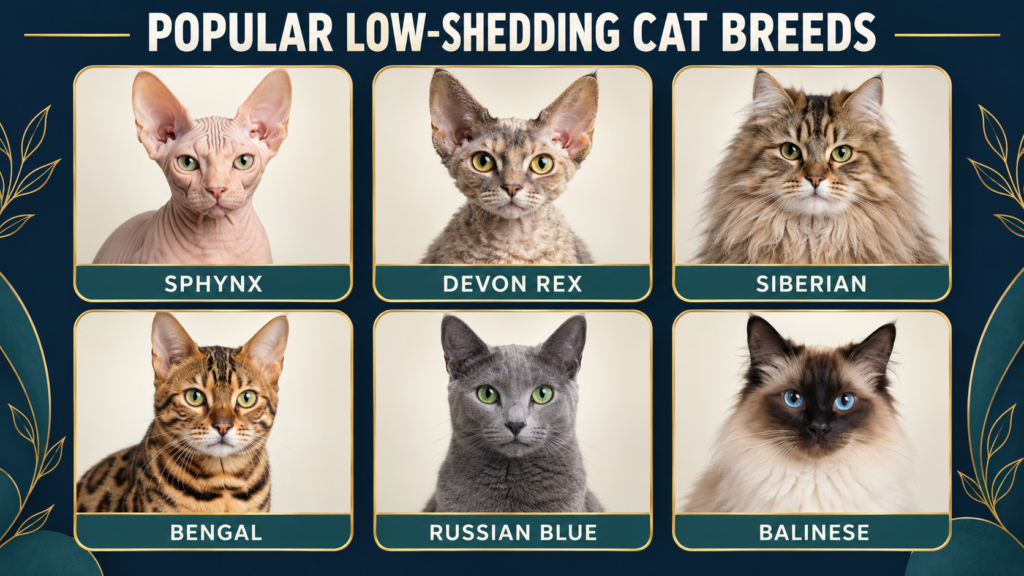
Beyond these prominent examples, several other cat breeds that don’t shed extensively include:
- Oriental Shorthair: With a very short, fine, and close-lying coat, they shed minimally.
- Javanese: Possessing a single, medium-length coat without an undercoat, they shed less than many other long-haired breeds.
- Balinese: Similar to the Javanese, the Balinese has a single, silky, medium-length coat that lies close to the body, resulting in reduced shedding.
- LaPerm: Known for its unique curly coat, which can be short or long, the LaPerm’s texture helps to trap loose hairs, minimizing their spread.
Managing Allergies with Low-Shedding Cats: Beyond Breed Choice
While selecting a low-shedding breed is a significant step, effective managing cat allergies involves a multi-faceted approach. Even with a cat that sheds minimally, practical steps can further reduce allergen exposure.
Grooming Practices for Cat Breeds That Don’t Shed
Consistent grooming is essential for dander reduction, even for breeds that shed less. For instance, regular bathing every 1-2 weeks can wash away accumulated dander and Fel d 1 protein. Additionally, using gentle pet wipes or cat grooming tools between baths can keep their coat clean. Brushing also helps remove loose hairs before they spread into your living space.
Environmental Management for Allergy Sufferers
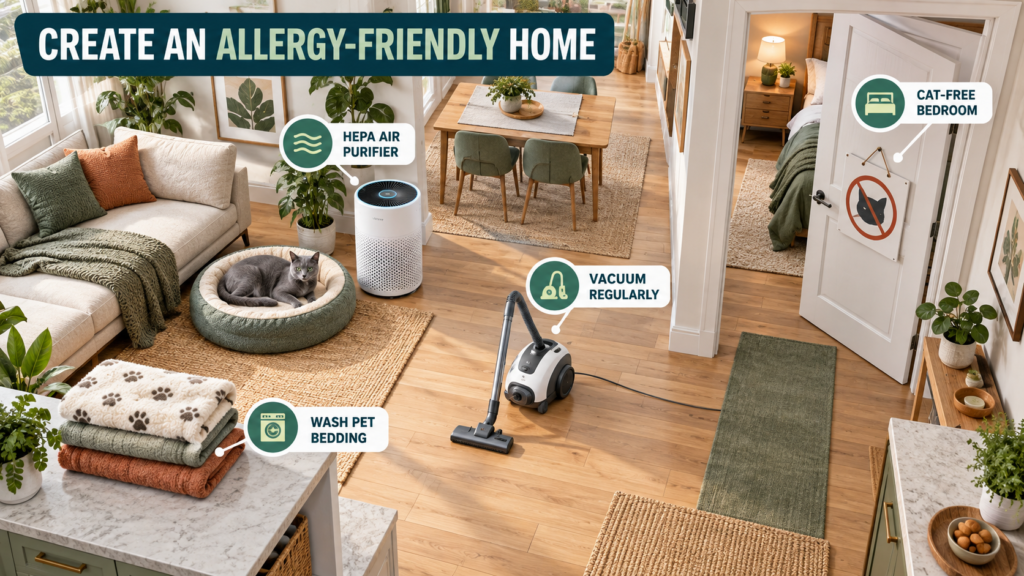
Creating an allergen-reduced home environment is crucial. Strategies include:
- HEPA Air Purifiers: Place HEPA air purifiers in rooms where your cat spends the most time to filter airborne allergens efficiently.
- Frequent Vacuuming: Use HEPA vacuums to capture dander from carpets and upholstery.
- Washing Pet Bedding: Regularly wash all pet bedding, toys, and blankets in hot water to remove allergens.
- Creating ‘Cat-Free Zones’: Designate certain areas, such as the bedroom, as off-limits to your cat. This provides an allergen-free sanctuary for allergy sufferers.
- Hard Flooring: Opt for hard flooring surfaces (wood, tile, laminate) over carpets, as they are easier to clean and trap fewer allergens.
Choosing the Right Low-Shedding Cat for Your Home
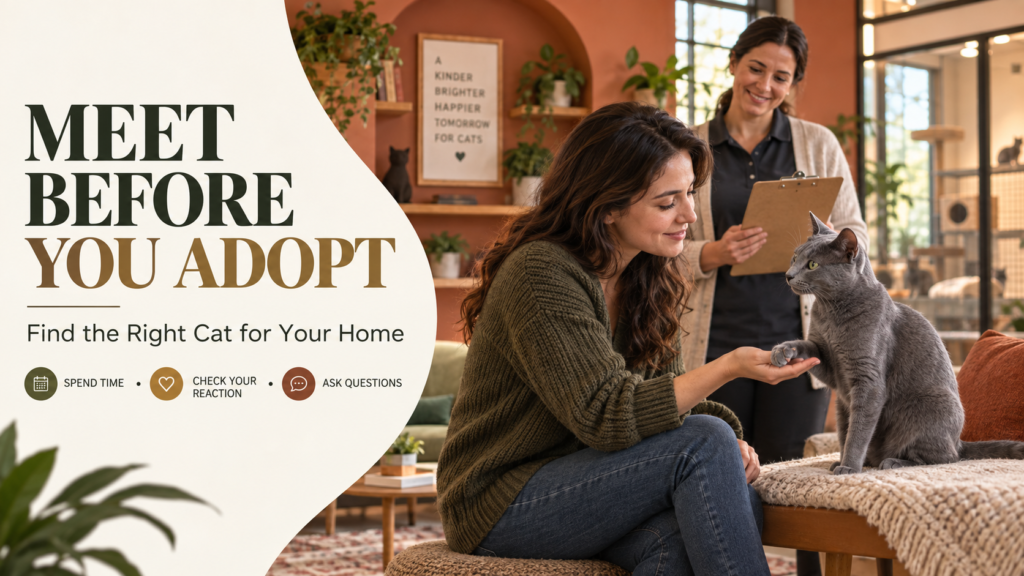
Selecting a feline companion involves more than just considering shedding levels. When choosing a cat, especially one from the low-shedding cat breeds, it is vital to consider temperament, energy levels, and how well the cat’s personality aligns with your household and lifestyle. Spend time interacting with the specific cat you are considering before adoption to assess your allergic reaction and ensure a good match. Visiting a breeder’s home or a shelter where the cats are present can provide valuable insight into how your body reacts to that particular animal.
Comparison of Popular Cat Breeds That Don’t Shed
| Breed | Shedding Level | Grooming Needs | Temperament | Allergy Suitability Notes |
| Sphynx | None (hairless) | Regular bathing (weekly) to remove oils | Affectionate, playful, attention-seeking | Produces Fel d 1, but less dander distribution due to no fur. |
| Devon Rex | Minimal | Occasional brushing, ear cleaning | Playful, mischievous, intelligent | Single coat, less dander spread. |
| Siberian | Moderate (seasonal) | Regular brushing, especially during shedding seasons | Gentle, intelligent, loyal | Known to produce lower levels of Fel d 1 protein. |
| Russian Blue | Minimal | Occasional brushing | Quiet, reserved, loyal | Dense coat traps dander close to the body. |
Frequently Asked Questions About Cat Breeds That Don’t Shed
Are ‘Hypoallergenic’ Cats Truly Allergen-Free?
No cat is truly 100% allergen-free. The term ‘hypoallergenic’ simply means ‘less allergenic.’ These cats either produce fewer allergens (like the Siberian) or shed significantly less dander (like the Sphynx or Rex breeds), thereby reducing the amount of allergen exposure. For individuals with severe allergies, even these breeds might still trigger symptoms, though often to a lesser degree.
Do All Low-Shedding Cats Require Special Care?
The care requirements for low-shedding cat care vary by breed. For example, the Sphynx requires regular bathing to manage skin oils, while the Russian Blue is relatively low-maintenance in terms of grooming. Breeds like the Devon Rex and Cornish Rex need occasional ear cleaning due to their open ear structure. It is important to research the specific needs of any breed you are considering to ensure you can provide appropriate care.
Conclusion: Finding Your Ideal Low-Shedding Feline Companion
While the dream of cat ownership might seem out of reach for allergy sufferers, exploring cat breeds that don’t shed offers a promising path. Understanding that no cat is completely allergen-free, but that certain breeds produce fewer allergens or distribute less dander, is key. By combining careful breed selection with diligent home and grooming management, many individuals can successfully welcome a feline companion into their lives. Thorough research, coupled with direct interaction with specific cats, will help you find the ideal low-shedding feline companion that brings joy without excessive sneezes.
