



The Siberian Cat: A Majestic Breed Guide for Cat Lovers
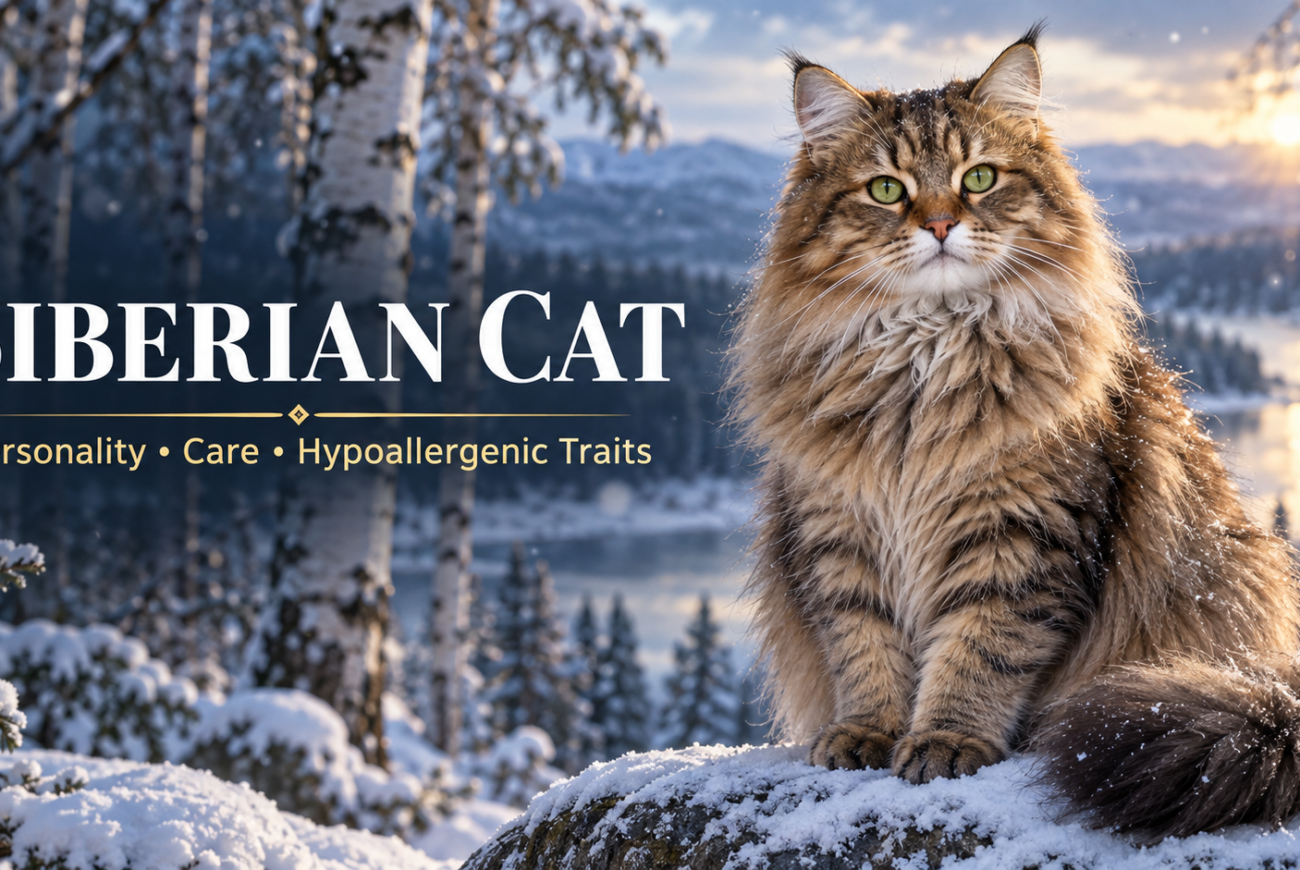
The Siberian cat is a magnificent feline originating from Russia’s harsh wilderness. This ancient breed adapted over centuries to extreme climates, developing distinct physical characteristics and robust health. In addition, these animals offer a unique blend of wild charm and affectionate loyalty. Consequently, for those seeking a playful and intelligent companion, learning about this remarkable breed is an ideal first step.
From Russia’s Forests to Modern Homes
Historical records mention these natural forest dwellers as far back as the 11th century. Unlike many modern breeds, the Siberian evolved naturally in severe climates. Therefore, its dense coat and sturdy build were essential for survival. Later, Russian farmers valued them as skilled hunters. Today, this treasured feline remains a beloved companion in homes worldwide.
Size, Appearance, and Physical Features
As a medium-to-large breed, males typically weigh 15 to 20 pounds, while females weigh 10 to 15 pounds. Furthermore, key features include large, rounded paws with protective fur tufts. Their expressive eyes appear in shades of green, gold, copper, or blue. To complete their signature look, distinct ear tufts and a bushy tail enhance their majestic silhouette.
Understanding the Luxurious Triple Coat
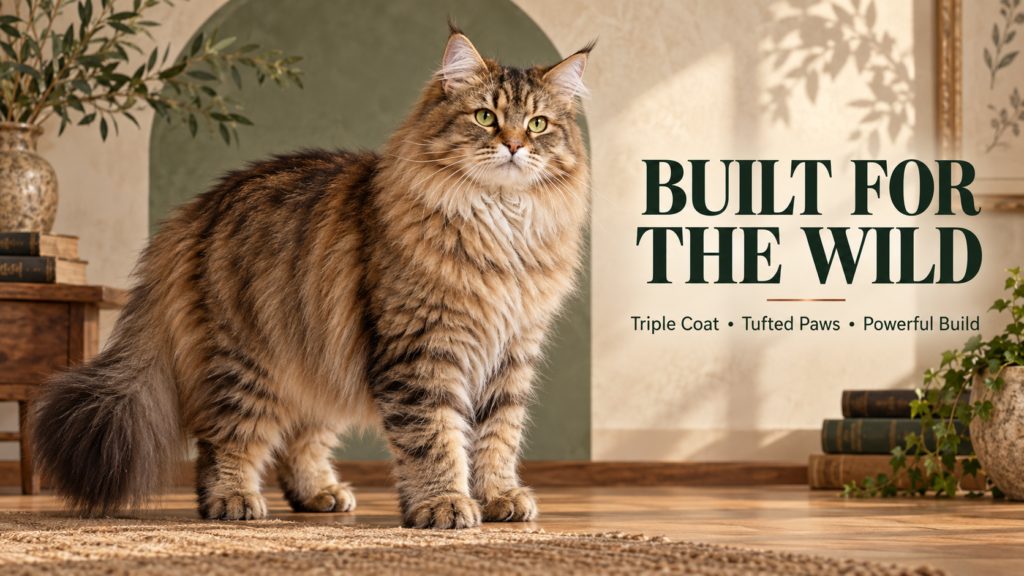
A standout feature of the Siberian cat is its dense, triple-layered coat. Coarse outer guard hairs provide water resistance, while a soft undercoat provides insulation. Although the fur is exceptionally thick, it remains surprisingly easy to care for. Additionally, these felines display a wide array of beautiful colors and pattern variations.
Temperament and Personality: What Makes a Siberian Cat Special?
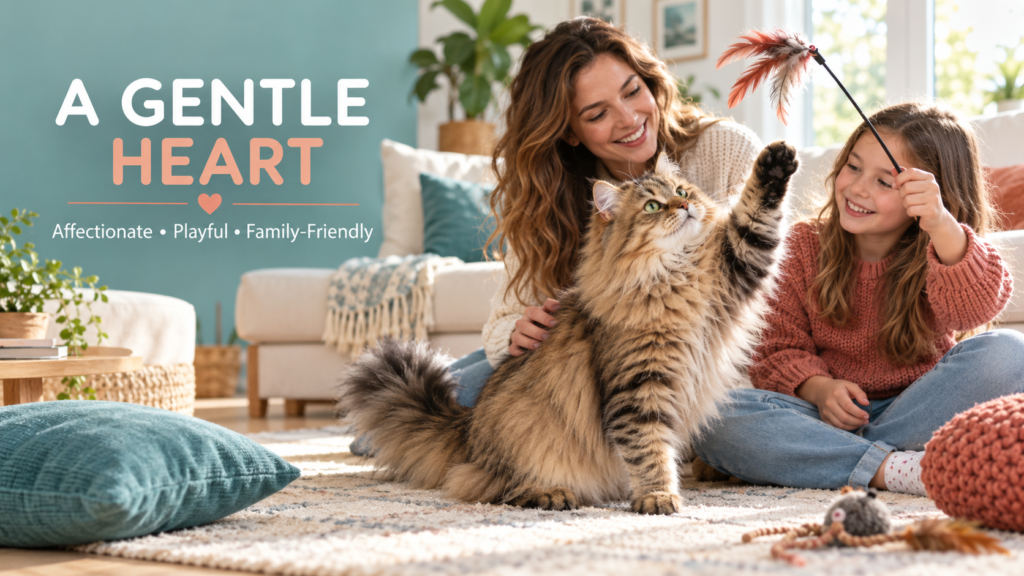
Beyond physical beauty, these cats are celebrated for their affectionate and playful temperament. Many owners describe them as devoted companions that gladly greet family members at the door. Moreover, they interact wonderfully with children and other household pets. They also express themselves vocalizing with charming trills, chirps, and purrs.
Caring for Your Siberian Cat: Health and Wellness
Proper care ensures your companion remains vibrant and healthy for years. Generally, this includes routine grooming, a balanced diet, and regular veterinary check-ups. Understanding their specific needs helps foster a long, happy life.
Grooming Needs of the Siberian Cat
Although dense, the coat resists severe matting. However, brushing two to three times a week with an undercoat rake brush or a slicker brush removes loose hair effectively. Meanwhile, seasonal shedding may require daily attention. Additionally, routine maintenance should include trimming claws with cat nail clippers and brushing teeth with a pet toothbrush kit.
Diet and Nutrition for a Healthy Siberian Cat
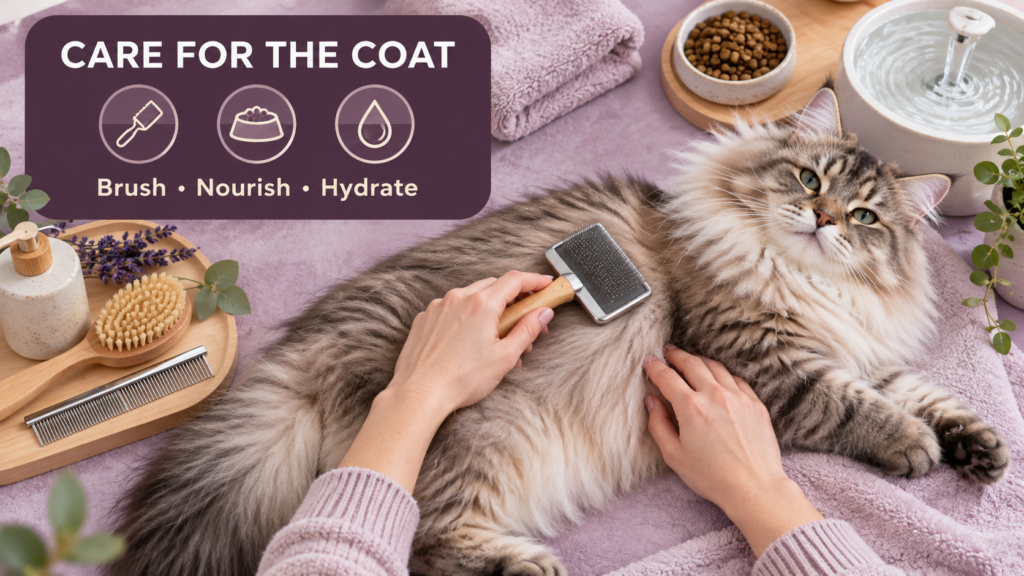
A protein-rich diet is fundamental for health. As obligate carnivores, they require nutrients sourced from real meat, poultry, or fish. Select premium cat food that minimizes unnecessary fillers. Furthermore, fresh hydration is vital, so consider using a pet water fountain to encourage regular drinking.
Siberian Cats and Allergies: Understanding the Hypoallergenic Claim
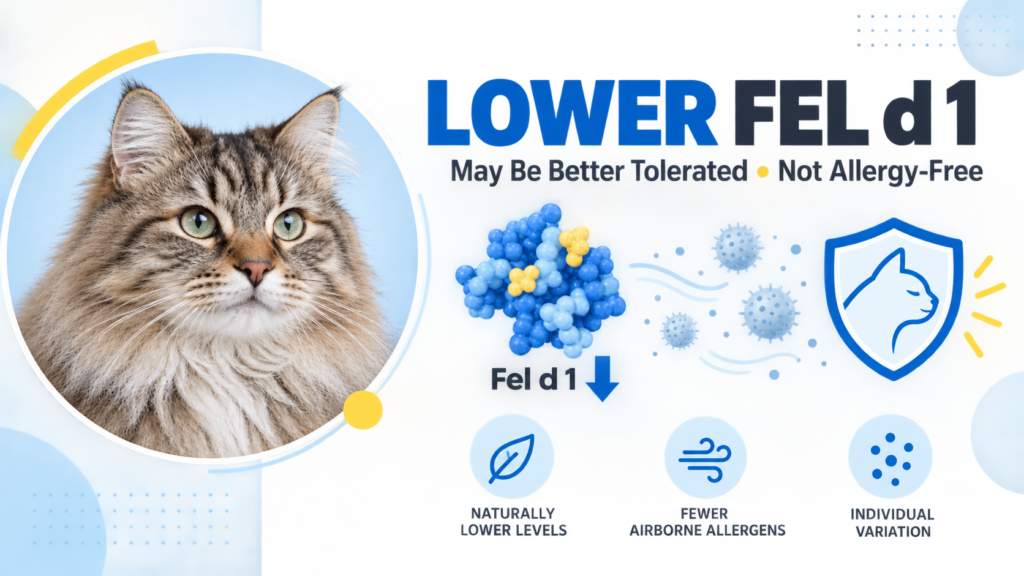
Many allergy sufferers consider the Siberian cat hypoallergenic. While no feline is completely allergen-free, this breed produces lower levels of the Fel d 1 protein. Consequently, many sensitive individuals experience fewer symptoms. However, visiting a breeder beforehand is recommended to test your individual reaction.
Is a Siberian Cat the Right Companion for You?
Deciding to adopt requires evaluating your lifestyle and daily routine. Because these pets thrive on social interaction, they need attentive owners. If you wish to interact with felines before deciding, search for a cat cafe near me to experience their behavior firsthand. Indoors, enrich their environment using engaging cat toys and sturdy cat trees.
Pros and Cons of Owning a Siberian Cat
| Aspect | Pros | Cons |
| Temperament | Affectionate, playful, intelligent, good with families and pets | Requires significant attention and interaction |
| Grooming | Relatively low-maintenance for a long-haired cat, less matting | Regular brushing still necessary, especially during shedding |
| Allergies | May be tolerated by some allergy sufferers due to lower Fel d 1 | Not truly hypoallergenic; individual reactions vary |
| Health | Generally robust and healthy breed | Can be prone to certain genetic conditions (e.g., HCM) |
| Size | Majestic and substantial presence | Requires adequate space for play and climbing |
| Cost | Initial purchase from a reputable breeder can be significant | Ongoing costs for premium food, vet care, and supplies |
Finding a Reputable Siberian Cat Breeder
Selecting a responsible breeder is paramount when choosing a kitten. Trustworthy breeders prioritize health screenings and welcome cattery visits. Furthermore, they provide health guarantees and registration documentation. Avoid sellers offering multiple unverified breeds or selling kittens before proper age requirements.
Frequently Asked Questions About the Siberian Cat
Q: What is the average lifespan of a Siberian cat?
A: With proper care and nutrition, a Siberian cat typically lives between 12 and 15 years or longer.
Q: Are Siberian cats easy to train?
A: Yes, they are intelligent and can be trained for tricks, leash walking, and scratching posts.
Q: Do Siberian cats get along with dogs?
A: Yes, most integrate very well with dogs when introduced properly and gradually.
Q: How much exercise does a Siberian cat need?
A: They are active. Daily play, interactive toys, and climbing opportunities keep them stimulated.
Q: Do Siberian cats shed a lot?
A: Yes, they shed, particularly during seasonal changes. Regular brushing helps.
Embracing the Charm of the Siberian Cat
In conclusion, the Siberian cat represents resilience, beauty, and devotion. Whether drawn to its dense triple coat or gentle temperament, owners find a deeply rewarding partnership. Providing attentive care, quality toys, and proper nutrition ensures a happy life for your feline companion.
