




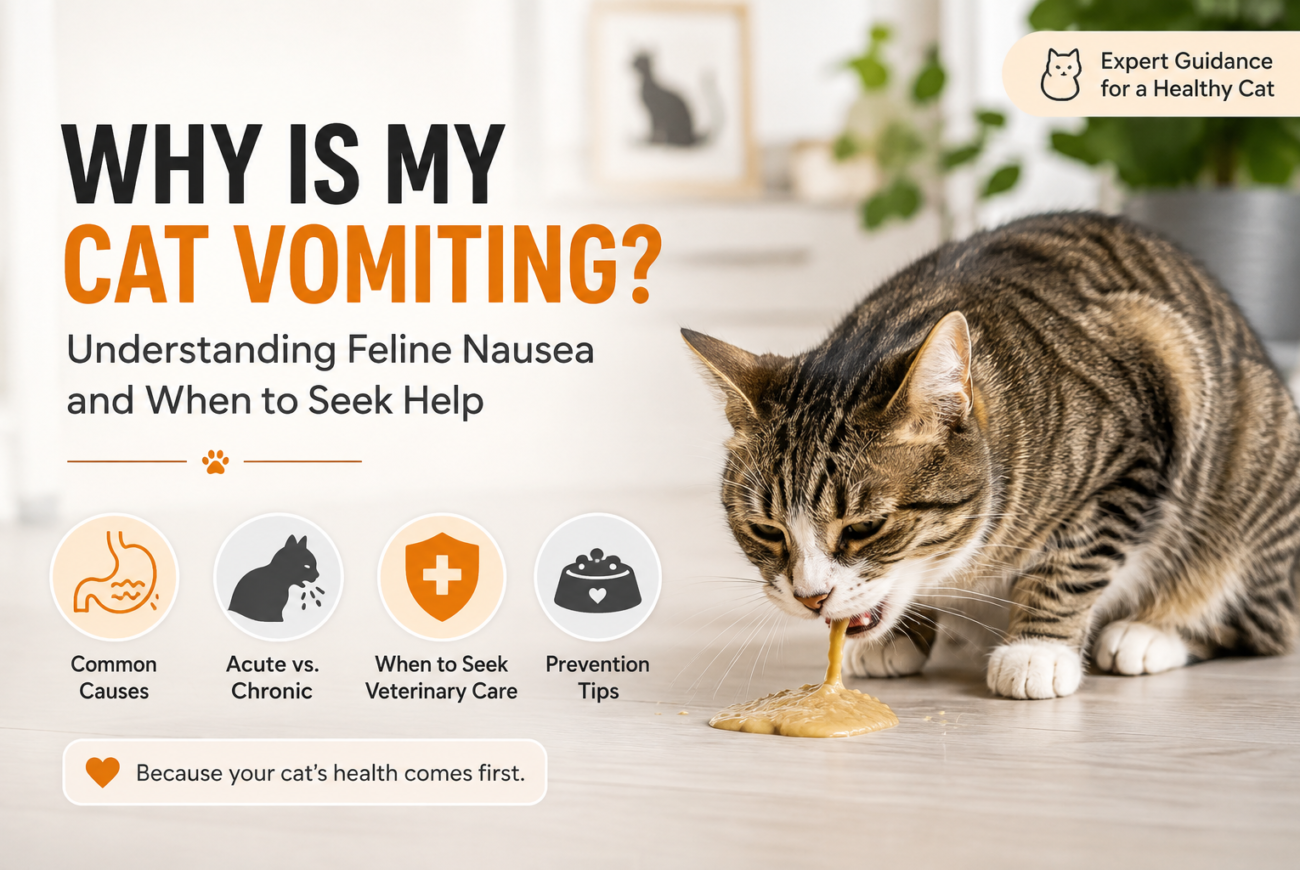
Why Is My Cat Vomiting? Understanding Feline Nausea and When to Seek Help
Observing your cat vomit can be alarming for any pet owner. The question, why is my cat vomiting, often arises with immediate concern. Feline vomiting can stem from a wide array of causes, ranging from minor, self-resolving issues to indicators of serious underlying health conditions. Understanding the potential reasons behind your cat’s nausea is crucial for their well-being. This article explains various causes of feline vomiting, emphasizing the importance of careful observation and timely veterinary consultation.
Common Acute Reasons Your Cat Vomits
When your cat vomits suddenly, the cause is often acute and might be less severe. These immediate issues can frequently resolve on their own, but understanding them helps you assess the situation.
Eating Too Quickly or Too Much
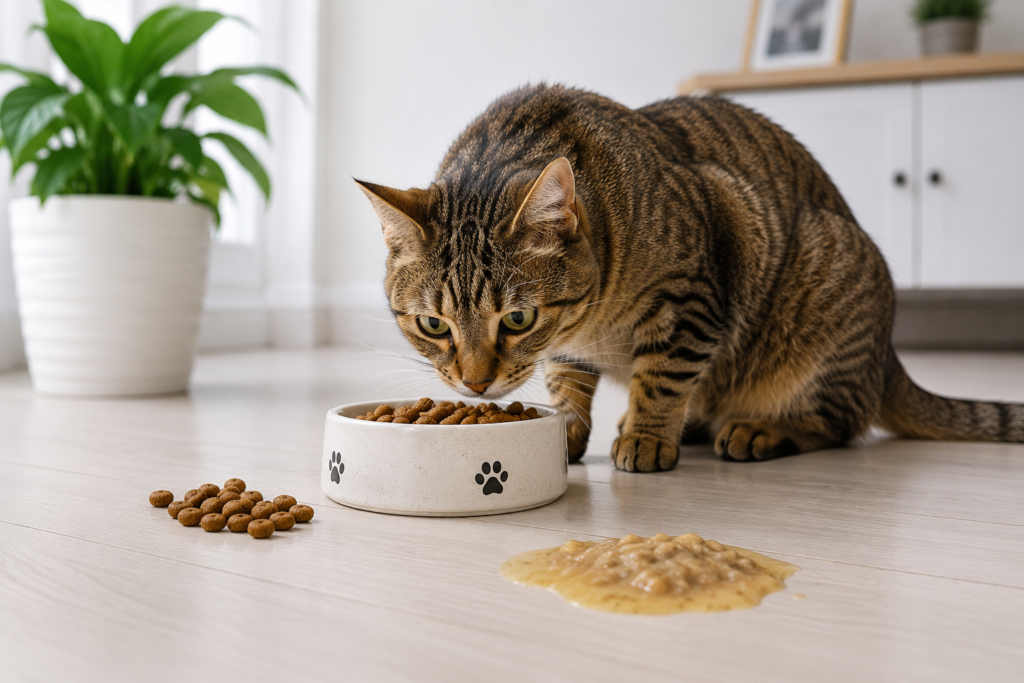
Cats sometimes eat their food too rapidly or consume excessive amounts, leading to regurgitation or vomiting. This often happens when they are particularly hungry or if multiple cats compete for food. The undigested food typically appears shortly after eating.
Hairballs: A Feline Reality
Cats are meticulous groomers, and during this process, they ingest loose fur. This fur can accumulate in their digestive tract, forming hairballs. When these hairballs become too large or irritating, cats vomit them up. Occasional cat vomiting hairball is common, but frequent or difficult hairball expulsion may indicate a need for dietary changes or grooming assistance.

Dietary Indiscretion or Sudden Food Changes
A cat’s digestive system can be sensitive. Eating spoiled food, certain plants, or even a sudden change in their regular diet can upset their stomach and cause them to vomit. Introducing new foods gradually helps prevent such reactions.
Ingesting Toxins or Foreign Objects
Cats are curious creatures, and they sometimes ingest substances they shouldn’t. If your cat ate something toxic, such as certain houseplants (lilies, sago palms), household cleaners, human medications, or antifreeze, vomiting is a common symptom. Similarly, swallowing non-food items like string, small toys, or rubber bands can cause irritation or blockages, leading to vomiting. If you suspect your cat has ingested something toxic, contact your veterinarian or the ASPCA Animal Poison Control Center (www.aspca.org/pet-care/animal-poison-control) immediately.
Chronic Health Conditions Causing Cat Vomiting
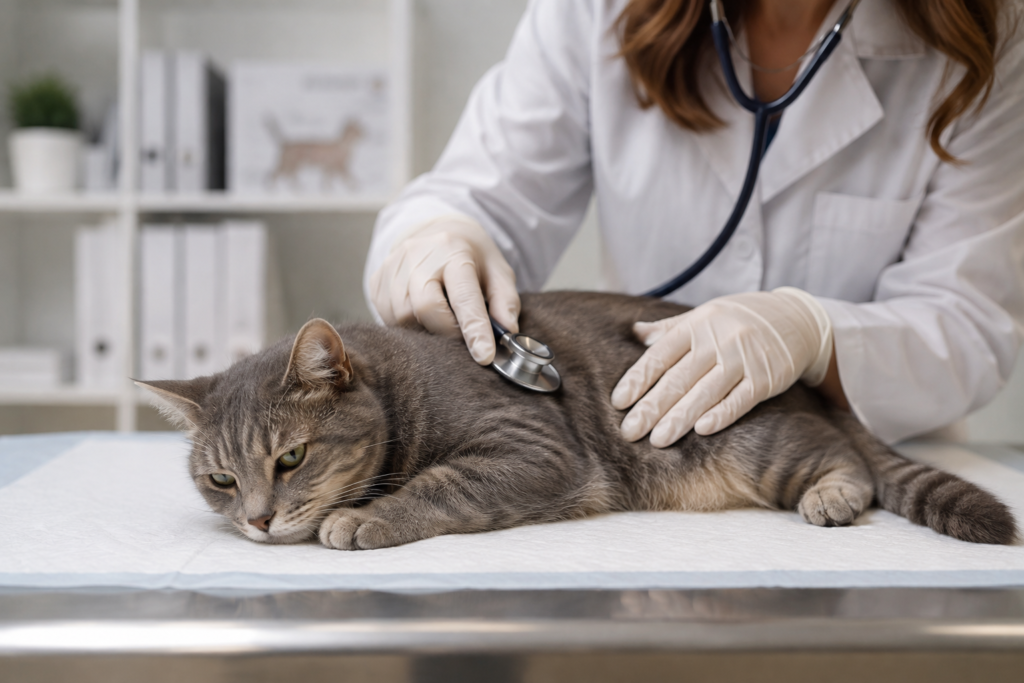
While acute vomiting can be concerning, persistent or recurring vomiting often points to more serious, ongoing medical conditions. If you frequently ask, why is my cat vomiting, a deeper investigation into chronic issues may be necessary.
Inflammatory Bowel Disease (IBD)
Inflammatory Bowel Disease (IBD) is a common cause of chronic cat vomiting. This condition involves chronic inflammation of the digestive tract, which can lead to persistent vomiting, diarrhea, weight loss, and changes in appetite. Diagnosis often requires biopsies of the intestinal lining.
Kidney Disease and Liver Issues
Impaired kidney or liver function can lead to a buildup of toxins in your cat’s bloodstream. These toxins can cause nausea and subsequent vomiting. Other symptoms might include increased thirst, changes in urination, and lethargy. For more information, you can refer to our article on feline kidney disease.
Hyperthyroidism
Hyperthyroidism, an overactive thyroid gland, is common in older cats. This condition accelerates a cat’s metabolism, leading to various symptoms including weight loss despite a good appetite, hyperactivity, increased thirst, and often, vomiting.
Pancreatitis and Diabetes
Inflammation of the pancreas, known as pancreatitis, can cause severe abdominal pain, lethargy, and vomiting in cats. Similarly, uncontrolled diabetes can lead to metabolic imbalances that manifest as nausea and vomiting, alongside increased thirst and urination.
Understanding the distinction between acute and chronic cat vomiting symptoms helps owners and veterinarians determine the best course of action.
Acute vs. Chronic Vomiting: A Quick Comparison
| Characteristic | Acute Vomiting | Chronic Vomiting |
|---|---|---|
| Onset | Sudden, often isolated incident | Recurring over weeks or months |
| Frequency | Infrequent, usually 1-2 episodes | Frequent, regular episodes |
| Common Causes | Eating too fast, hairballs, dietary indiscretion, mild toxins | IBD, kidney/liver disease, hyperthyroidism, pancreatitis, cancer |
| Associated Symptoms | Often none, or mild lethargy | Weight loss, appetite changes, lethargy, diarrhea, dehydration |
| Urgency for Vet Care | Monitor closely, seek care if persistent or severe | Prompt veterinary investigation recommended |
When to Seek Veterinary Care for Your Vomiting Cat
While some instances of vomiting are benign, knowing when to worry about cat vomiting is critical. If you find yourself repeatedly asking, why is my cat vomiting, a professional veterinary opinion is always the safest approach.
Recognizing Emergency Signs
Contact your veterinarian immediately if your cat exhibits any of the following:
- Persistent vomiting (more than once or twice in 24 hours).
- Vomiting accompanied by lethargy, weakness, or collapse.
- Blood in the vomit (red streaks or coffee-ground appearance).
- Vomiting with severe abdominal pain (hunched posture, reluctance to be touched).
- Repeated attempts to vomit without producing anything.
- Vomiting after suspected ingestion of a toxin or foreign object.
- Diarrhea accompanying vomiting, especially if severe.
- Any vomiting in very young, very old, or immunocompromised cats.
Describing Symptoms to Your Vet
When you contact your veterinarian, provide as much detail as possible. This includes:
- The frequency and timing of the vomiting episodes.
- The appearance of the vomit (food, bile, hair, blood, foreign objects).
- Any changes in your cat’s diet, appetite, water intake, or litter box habits.
- Other associated symptoms like lethargy, diarrhea, or weight loss.
- Any potential access to toxins or foreign objects.
Preventing Cat Vomiting: Practical Steps
While not all causes of vomiting are preventable, several practical steps can help prevent cat vomiting and promote your cat’s digestive health.
Diet Management and Feeding Practices
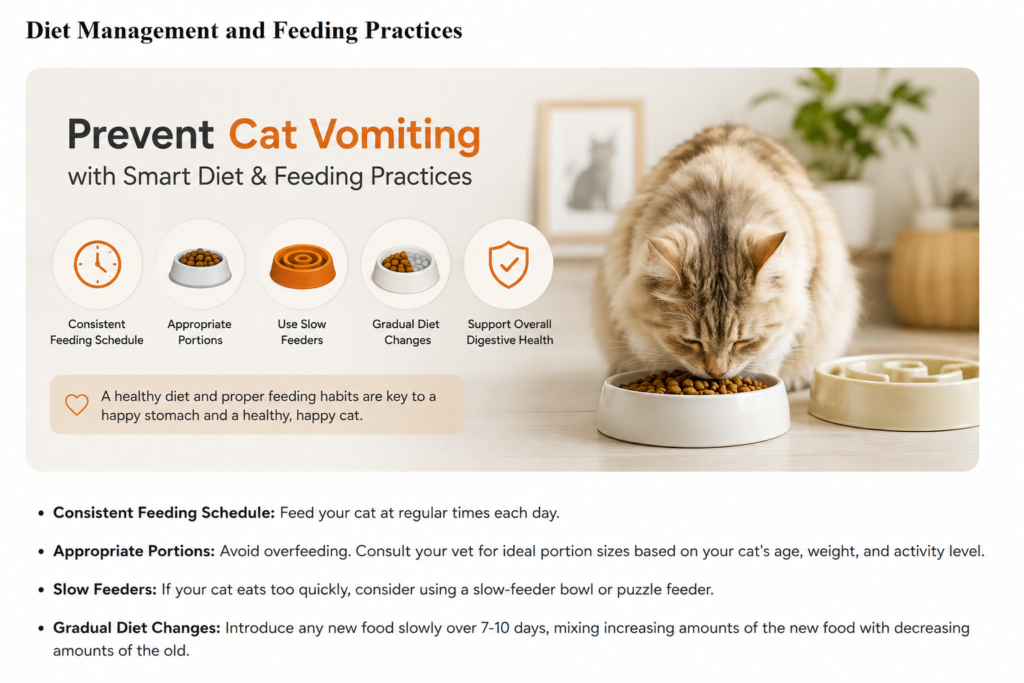
- Consistent Feeding Schedule: Feed your cat at regular times each day.
- Appropriate Portions: Avoid overfeeding. Consult your vet for ideal portion sizes based on your cat’s age, weight, and activity level.
- Slow Feeders: If your cat eats too quickly, consider using a slow-feeder bowl or puzzle feeder.
- Gradual Diet Changes: Introduce any new food slowly over 7-10 days, mixing increasing amounts of the new food with decreasing amounts of the old.
Hairball Control Strategies
- Regular Grooming: Brush your cat frequently to remove loose fur, especially for long-haired breeds.
- Hairball Control Diets: Many cat food brands offer formulas specifically designed to help reduce hairball formation.
- Hairball Supplements: Your vet may recommend specific supplements or pastes to aid in the passage of ingested fur.
Environmental Safety
- Flea Prevention: Use appropriate cat flea products to help protect your cat from fleas and related irritation.
Secure Toxins: Keep all household cleaners, medications, human foods, and toxic plants out of your cat’s reach. - Remove Foreign Objects: Regularly check your home for small items like string, rubber bands, small toys, or anything else your cat might be tempted to swallow.
Frequently Asked Questions About Cat Vomiting
Many cat owners have common questions when they observe their pet feeling unwell. Here are answers to some frequent inquiries about why is my cat vomiting FAQ.
Is occasional vomiting normal for cats?
While occasional regurgitation of a hairball is common for many cats, frequent or severe vomiting is not considered normal. If your cat vomits more than once or twice a month, or if the vomiting is accompanied by other symptoms, it warrants veterinary investigation.
What should I feed my cat after they vomit?
After a single, isolated vomiting episode, it’s often recommended to withhold food for 12-24 hours to allow the stomach to rest. Offer small amounts of water. If vomiting stops, gradually reintroduce a bland diet, such as boiled chicken (no skin or bones) or plain white rice, in small, frequent meals over a day or two before returning to their regular food. Always consult your vet for specific advice.
Can stress cause a cat to vomit?
Yes, stress and anxiety can sometimes manifest as gastrointestinal upset, including vomiting, in cats. Changes in routine, new pets, moving, or even loud noises can trigger stress-related symptoms. Addressing the source of stress and providing a calm environment can help.
Conclusion
Observing your cat vomit can be a concerning experience, with reasons ranging from simple dietary issues to complex medical conditions. Whether it’s an occasional hairball or a more persistent problem, understanding why is my cat vomiting requires careful observation of symptoms and, often, professional veterinary insight. Promptly consulting your veterinarian, especially when emergency signs are present, ensures your feline companion receives the appropriate care and attention they need to maintain their health and comfort.
