


The Newfoundland Dog: Gentle Giant, Loyal Companion, and Water Lover | Breed Guide
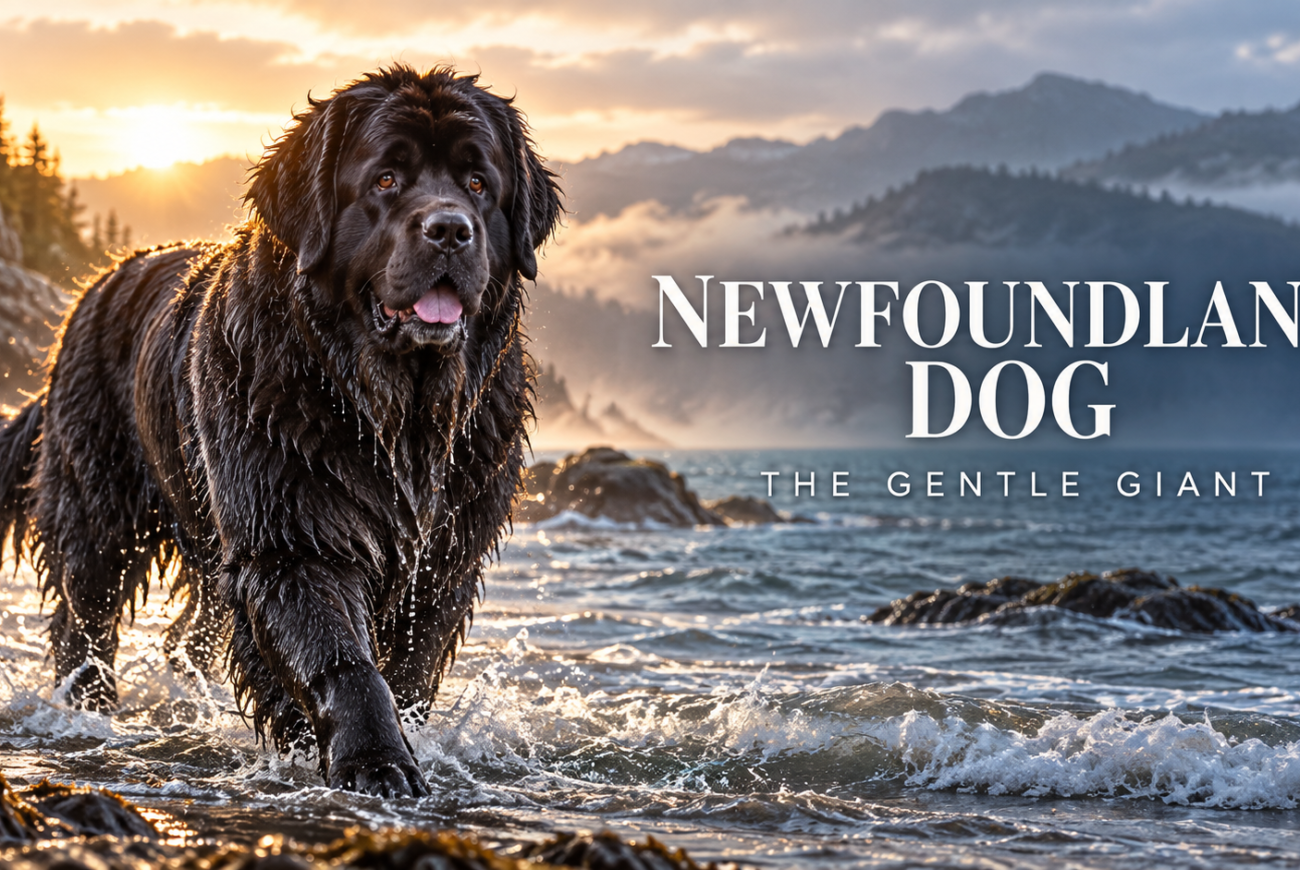
The Newfoundland dog stands out as a truly magnificent breed. They are well known for their imposing size, gentle disposition, and remarkable loyalty. Often called a ‘gentle giant,’ this breed possesses a unique combination of strength and sweetness that makes it a beloved companion worldwide.
Originally bred for demanding work in harsh maritime conditions,The breed has a deep-seated instinct for water rescue and an unwavering devotion to its family. Additionally, this comprehensive guide explores everything about the Newfoundland dog, from its historical roots to its specific care requirements, helping you understand why these dogs make such exceptional pets.
The Rich History of This Gentle Giant
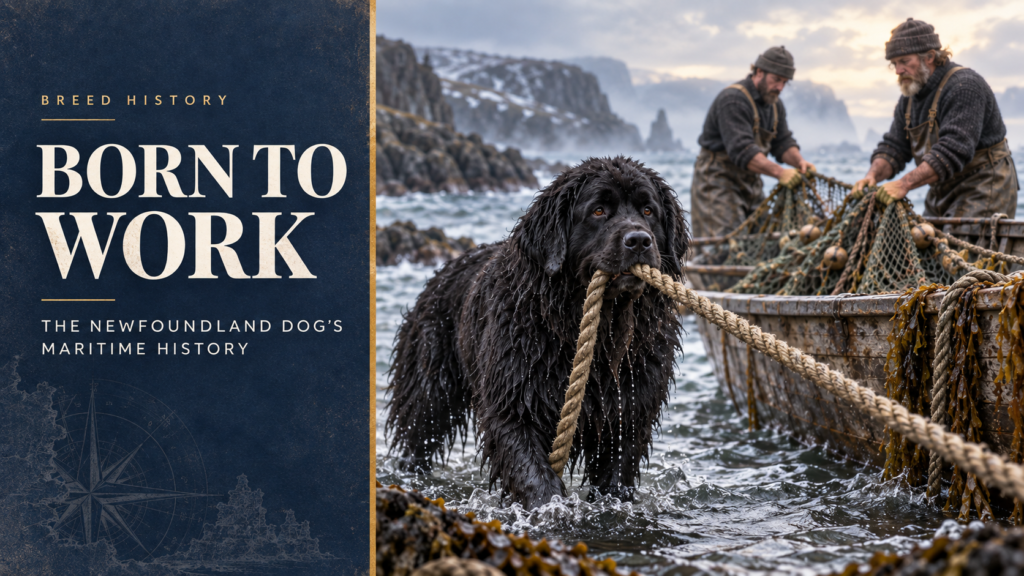
The origins of the Newfoundland dog are deeply intertwined with the rugged coastlines of Newfoundland, Canada. For centuries, these powerful dogs served as indispensable working partners for local fishermen. Their robust build, thick waterproof coat, and webbed feet made them perfectly suited for retrieving nets, hauling lines, and even rescuing people from the icy waters of the North Atlantic. Historical accounts suggest they are descendants of indigenous dogs and the Great Pyrenees or Tibetan Mastiff breeds brought by European explorers and fishermen.
Over time, the breed developed its distinct characteristics, valued for its strength, endurance, and calm temperament. The Newfoundland dog gained recognition as a distinct breed in the 19th century, with its life-saving instincts becoming legendary. Their history as dedicated working dogs has shaped their innate desire to protect and assist, making them not just pets, but true members of the family.
Understanding the Newfoundland Dog’s Temperament and Characteristics
The temperament of a Newfoundland dog is perhaps its most celebrated trait. These dogs are known for being incredibly gentle, patient, and protective. Their calm demeanor makes them excellent companions, especially in homes with children. They often earn the nickname ‘nanny dogs’ due to their natural affinity for youngsters, displaying remarkable tolerance and a watchful eye.
Beyond their gentle nature, Newfoundland dogs are intelligent and eager to please, which aids significantly in training. They form strong bonds with their families and thrive on companionship, preferring to be close to their human pack. Their protective instincts are strong, yet they typically express them through watchful presence rather than aggression, making them reliable guardians.
Physical Traits of the Newfoundland Dog
Physically, this breed is an impressive animal. Males typically stand 28 inches tall and weigh between 130-150 pounds, while females are slightly smaller at 26 inches and 100-120 pounds. Their most distinctive feature is their dense, water-resistant double coat, which can be black, brown, grey, or Landseer (white with black markings). This coat provides insulation against cold water and harsh weather.
Their large, muscular build, combined with broad heads and deep chests, speaks to their strength and endurance. Crucially, their webbed feet are a hallmark of the breed, perfectly adapted for powerful swimming. Therefore, this combination of size, coat, and specialized feet makes the Newfoundland dog uniquely equipped for its historical role in water rescue.
Caring for Your Newfoundland Dog: Essential Needs
Owning this large breed requires commitment, particularly when it comes to their care. Their large size and thick coat mean specific attention to grooming, exercise, and nutrition is essential for their health and happiness.
Grooming and Coat Maintenance for the Newfoundland Dog
The thick double coat of a Newfoundland dog requires consistent grooming to prevent matting and manage shedding. Daily brushing is ideal, especially during seasonal changes when they ‘blow’ their coat, shedding heavily. A Slicker Brush and an Undercoat Rake are indispensable tools. For more detailed advice on grooming, check out our Expert Dog Grooming Tips.
Bathing should occur every 1-2 months or as needed, using a Dog Shampoo. Regular ear cleaning helps prevent infections, and nail trimming is crucial to maintain paw health. Neglecting grooming can lead to discomfort and skin issues for your Newfoundland dog. (Image alt text: A Newfoundland dog being groomed.)
Exercise Requirements for a Healthy Newfoundland Dog
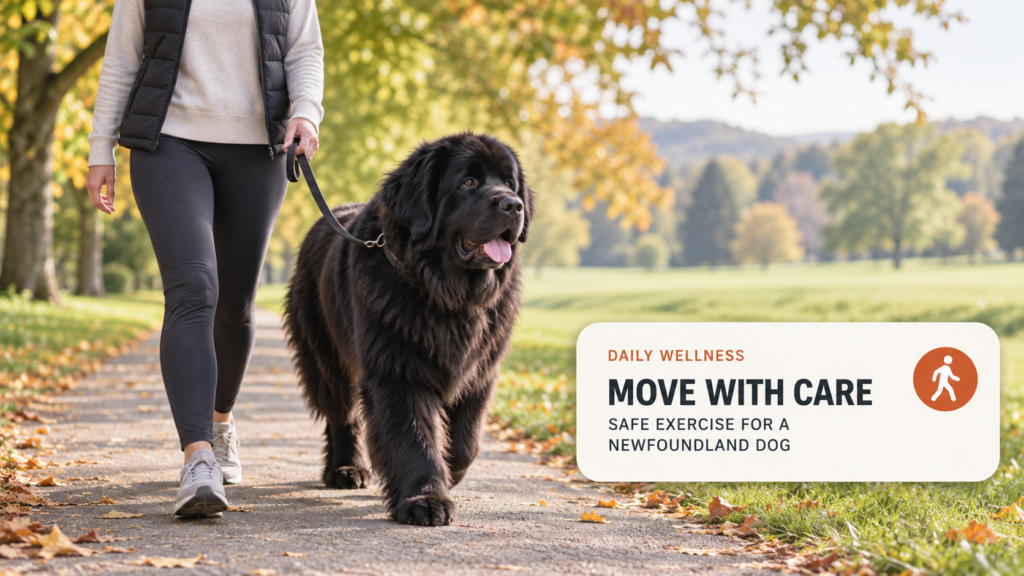
While large, the Newfoundland dog is not an overly high-energy breed. They benefit from moderate, consistent exercise. Daily walks, typically 30-60 minutes, are sufficient. Their love for water makes swimming an excellent form of exercise, engaging their muscles without stressing their joints.
It is vital to avoid over-exercising Newfoundland puppies, as their bones and joints are still developing. Excessive strain can contribute to orthopedic problems later in life. Mental stimulation through training and puzzle toys is also important to keep their intelligent minds engaged.
Nutritional Guidelines for the Newfoundland Dog
Feeding a large breed requires careful consideration. They need Hill’s Science Diet Large Breed Food, which supports their growth and joint health. Portion control is critical to prevent obesity, which can exacerbate joint issues.
Newfoundlands are also susceptible to bloat (gastric dilatation-volvulus), a life-threatening condition. Feeding smaller, more frequent meals and avoiding vigorous exercise immediately after eating can help reduce this risk. Always consult your veterinarian for specific dietary recommendations tailored to your Newfoundland dog’s age, activity level, and health status.
Health Considerations for the Newfoundland Dog Breed
Like many large breeds, the Newfoundland dog is predisposed to certain health conditions. Responsible breeders screen their dogs for these issues, but owners should be aware of them.
- Hip and Elbow Dysplasia: These are genetic conditions affecting joint development, leading to arthritis and pain.
- Subvalvular Aortic Stenosis (SAS): A congenital heart defect where the aorta narrows, making the heart work harder.
- Cystinuria: A genetic kidney disorder that causes stones to form in the urinary tract.
- Gastric Dilatation-Volvulus (Bloat): As mentioned, this is a serious and potentially fatal condition requiring immediate veterinary attention.
In addition, regular veterinary check-ups, a balanced diet, and appropriate exercise contribute significantly to the longevity and well-being of your pet.
Training and Socializing Your Newfoundland Dog
Early training and socialization are paramount for a well-adjusted Newfoundland dog. Despite their gentle nature, their sheer size means they need to learn good manners from a young age. Positive reinforcement methods, such as praise, treats, and play, work best with this sensitive breed.
Basic obedience commands like ‘sit,’ ‘stay,’ ‘come,’ and ‘leash manners’ are essential. Early exposure to various people, places, sounds, and other animals helps them grow into confident, calm adults. Their intelligence and eagerness to please make the Newfoundland dog highly responsive to consistent, patient training.
Is a Newfoundland Dog the Right Pet for You?
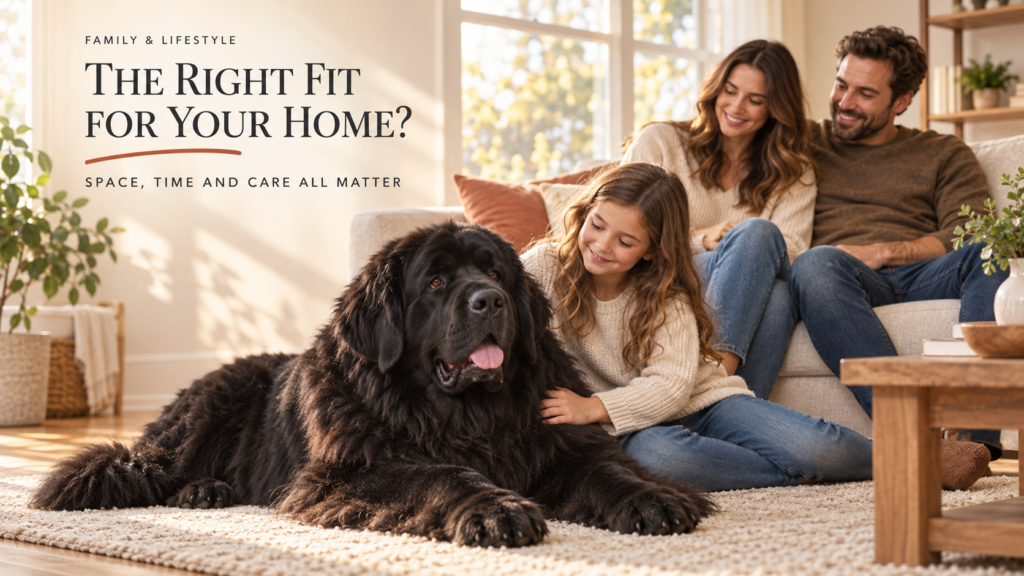
Deciding if a Newfoundland dog fits your lifestyle involves considering several factors. They thrive in homes where they can be an integral part of family life, not isolated outdoors. Their large size requires adequate living space, and while they are relatively calm indoors, a securely fenced yard is beneficial.
Time commitment is significant; they need daily interaction, grooming, and exercise. Financial considerations include higher costs for food, veterinary care, and grooming supplies due to their size. If you are prepared for these responsibilities, a Newfoundland dog can offer unparalleled companionship and joy.
Newfoundland Dog: Pros and Cons at a Glance
| Pros | Cons |
| Gentle and loyal temperament | High grooming needs |
| Excellent with children | Significant shedding |
| Good watchdogs | Large size requires space |
| Loves water activities | Potential for drooling |
| Relatively calm indoors | Prone to certain health issues |
| Eager to please | Higher food costs |
Frequently Asked Questions About the Newfoundland Dog
How long do Newfoundland dogs live?
The average lifespan for a Newfoundland dog is typically 8 to 10 years, though some can live longer with excellent care.
Do Newfoundland dogs drool a lot?
Yes, Newfoundland dogs are known for drooling, especially after eating or drinking, or when excited. This is due to their loose jowls.
Are Newfoundland dogs good for first-time owners?
While their gentle nature is appealing, their large size, grooming needs, and potential health issues mean that Newfoundland dogs are often better suited for owners with some experience, or first-time owners who are fully committed to extensive research and training.
How much exercise does a Newfoundland dog need?
This breed needs moderate exercise, typically 30-60 minutes of walking daily, along with opportunities for play and swimming. Puppies require less strenuous activity to protect their developing joints.
What is the average cost of a Newfoundland dog puppy?
The cost of a Newfoundland dog puppy from a reputable breeder can range from $1,500 to $3,000, depending on lineage, breeder reputation, and location. This does not include ongoing costs for food, vet care, and supplies.
Embracing Life with a Newfoundland Dog
This gentle giant is more than just a pet;it is a devoted family member, a gentle protector, and a loyal friend. However, they do require dedicated care and attention. With proper care, consistent training, and a loving environment, a Newfoundland dog will enrich your life in countless ways, bringing joy and companionship for years to come.
