



Understanding the Hairless Dog: Breeds, Care, and Lifestyle
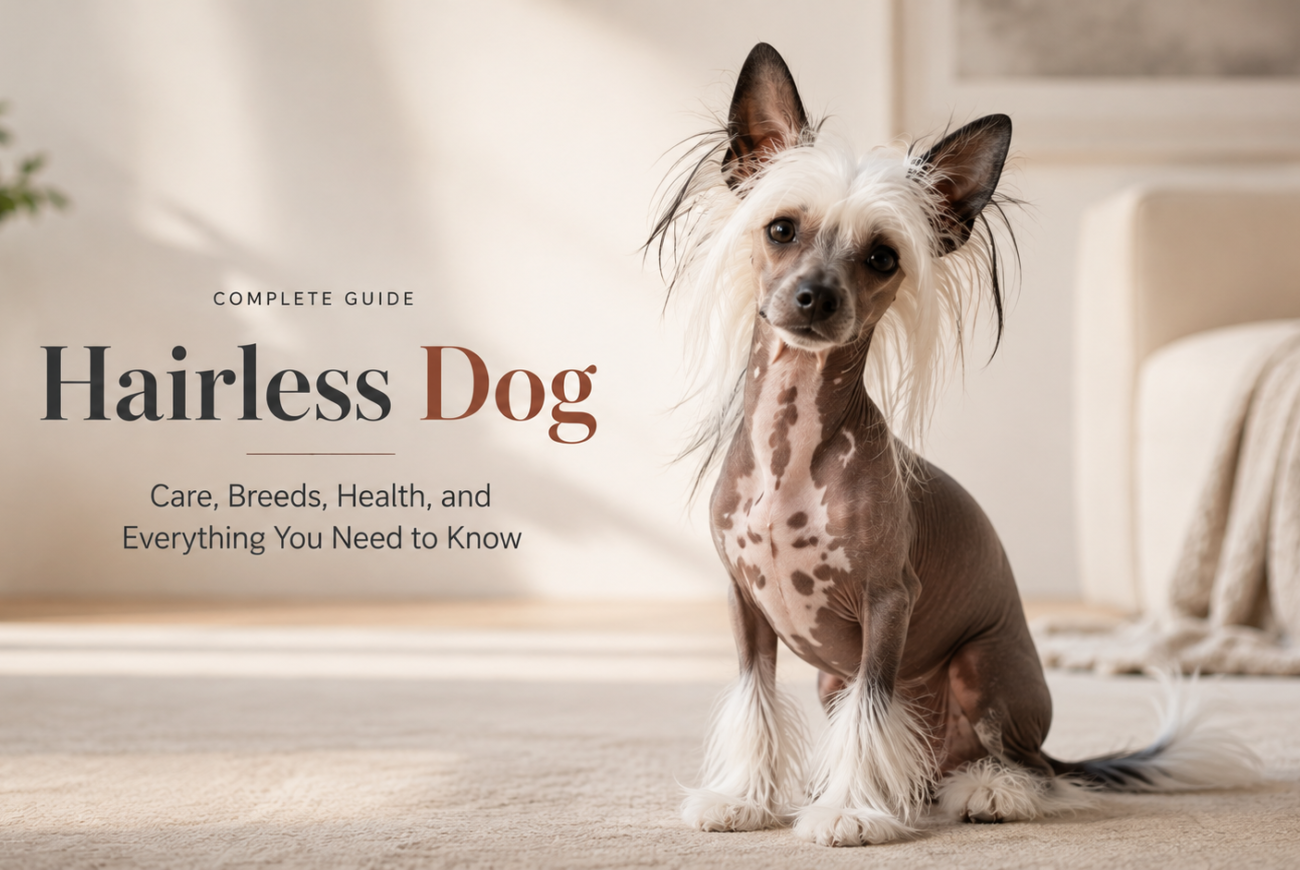
The hairless dog stands out with its distinctive appearance, captivating many dog enthusiasts. These breeds, characterized by their lack of a full coat, offer a unique companionship experience. Their smooth skin, often adorned with tufts of hair on the head, tail, and paws, gives them an elegant and sometimes exotic look. Beyond their striking aesthetics, hairless dogs present specific care considerations, particularly regarding skin health and temperature regulation. This guide explores the various hairless breeds, their unique needs, and what to expect when welcoming one into your home.
Popular Hairless Dog Breeds
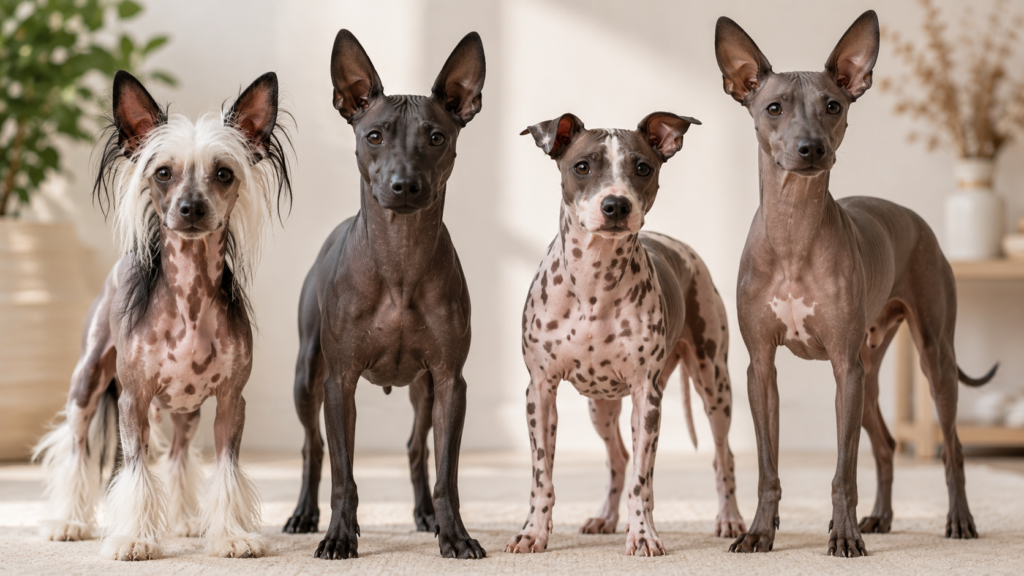
Several distinct breeds fall under the category of a hairless dog, each with its own history, temperament, and physical traits. Understanding these differences is key for prospective owners.
The Elegant Chinese Crested Dog
The Chinese Crested is perhaps the most recognizable hairless dog breed. Originating from China, these small, graceful dogs come in two varieties: the Hairless, with soft skin and tufts of hair on the head, paws, and tail, and the Powderpuff, which has a full, soft coat. Hairless Chinese Cresteds are known for their playful, affectionate nature and often form strong bonds with their families. They typically weigh between 10-13 pounds and stand 11-13 inches tall.
Xoloitzcuintli: Mexico’s Ancient Hairless Dog
The Xoloitzcuintli, often called the Mexican Hairless Dog, boasts an ancient lineage dating back over 3,000 years. Revered by the Aztecs, these dogs were believed to have mystical healing powers. Xolos come in three sizes—toy, miniature, and standard—and can be completely hairless or coated. Their skin is tough and smooth, ranging in color from black to slate, bronze, or liver. Xolos are known for their calm, loyal, and watchful demeanor, making them excellent guardians.
The Energetic American Hairless Terrier
A relatively new breed, the American Hairless Terrier originated in Louisiana from a mutation in a Rat Terrier litter. These dogs are entirely hairless, with smooth, warm skin that can be various colors, often with spots. American Hairless Terriers are energetic, intelligent, and curious. They thrive on interaction and make excellent companions for active individuals or families. They are typically small to medium-sized, weighing 12-16 pounds and standing 12-16 inches tall.
Peruvian Inca Orchid: The Peruvian Hairless Dog
The Peruvian Inca Orchid, or Peruvian Hairless Dog, is another ancient breed with roots in pre-Incan cultures. These elegant sighthounds are known for their slender build and graceful movement. Like the Xolo, they come in three sizes (small, medium, large) and can be hairless or coated. Their skin colors vary, often with spots. Peruvian Inca Orchids are typically alert, intelligent, and protective of their families, though they can be reserved with strangers.
Comparison of Popular Hairless Dog Breeds
To better understand the distinctions among these unique canines, here is a comparison of popular hairless dog breeds and their key hairless dog characteristics.
| Breed | Origin | Typical Size (Height/Weight) | Key Characteristics |
|---|---|---|---|
| Chinese Crested | China | 11-13 inches / 10-13 lbs | Playful, affectionate, elegant, tufts of hair |
| Xoloitzcuintli | Mexico | Toy, Miniature, Standard (various) | Calm, loyal, watchful, ancient lineage |
| American Hairless Terrier | USA | 12-16 inches / 12-16 lbs | Energetic, intelligent, curious, entirely hairless |
| Peruvian Inca Orchid | Peru | Small, Medium, Large (various) | Alert, intelligent, protective, sighthound qualities |
Essential Care for Your Hairless Dog
The absence of a fur coat means that care for hairless dog breeds differs significantly from that of their coated counterparts. Their skin requires particular attention.
Skin Care and Sun Protection for Hairless Breeds
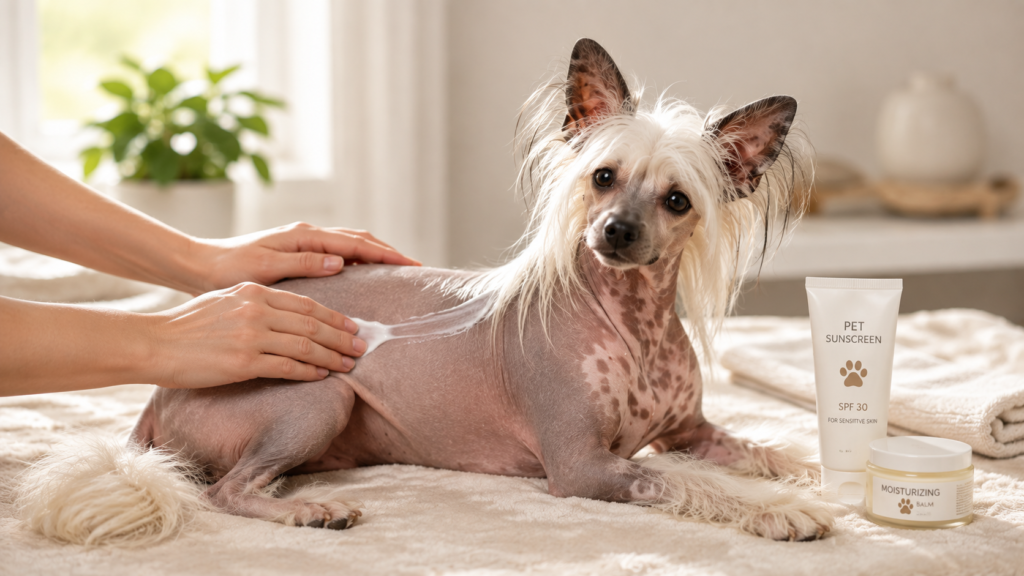
A hairless dog’s skin is exposed to environmental elements, making proper hairless dog skin care crucial. Just like human skin, it can get sunburned. Therefore, applying pet-safe sunscreen before outdoor activities is essential, especially during peak sun hours. Regular moisturizing with a veterinarian-approved lotion or oil prevents dryness and flakiness. Furthermore, their skin is prone to acne or blackheads, necessitating gentle cleansing and monitoring.
Keeping Your Hairless Dog Warm and Comfortable
Without a protective layer of fur, hairless dogs are more susceptible to cold temperatures. Providing appropriate hairless dog clothing, such as sweaters or coats, is vital in cooler climates or during winter months. Indoors, maintaining a comfortable ambient temperature ensures their well-being. Many hairless dogs enjoy snuggling under blankets or in warm beds to regulate their body temperature.
Bathing and Moisturizing Routines
Regular bathing is necessary to keep a hairless dog’s skin clean and free from dirt and oils that can accumulate. The frequency depends on the individual dog and its activity level, but typically once a week or every two weeks is sufficient. Use a mild, hypoallergenic dog shampoo. Following a bath, thorough drying and immediate moisturizing are important steps to prevent dryness and maintain skin elasticity. This consistent routine is key for healthy moisturizing dog skin.
Living with a Hairless Dog: Temperament and Lifestyle
Beyond their unique physical traits, the hairless dog temperament often presents a delightful combination of intelligence and affection.
Common Personality Traits of Hairless Dogs
While individual personalities vary, many hairless breeds share common traits. They are often intelligent, alert, and highly social, thriving on human companionship. Many exhibit a playful and curious nature. Their loyalty to their families is profound, and they can be quite sensitive, responding well to positive reinforcement training. The hairless dog personality often includes a desire to be close to their owners, seeking warmth and affection.
Exercise Needs and Training Tips
The exercise requirements for a hairless dog vary by breed. For instance, American Hairless Terriers are quite energetic and require regular play and walks, while Chinese Cresteds may be content with moderate indoor activity and short strolls. Additionally, consistent, positive reinforcement, including dog training treats, is effective for training hairless dog breeds because they are intelligent and eager to please. Moreover, early socialization helps them develop into well-adjusted adults. As a result, regular exercise, positive training, and early socialization can support their overall development.
Debunking Common Myths About the Hairless Dog
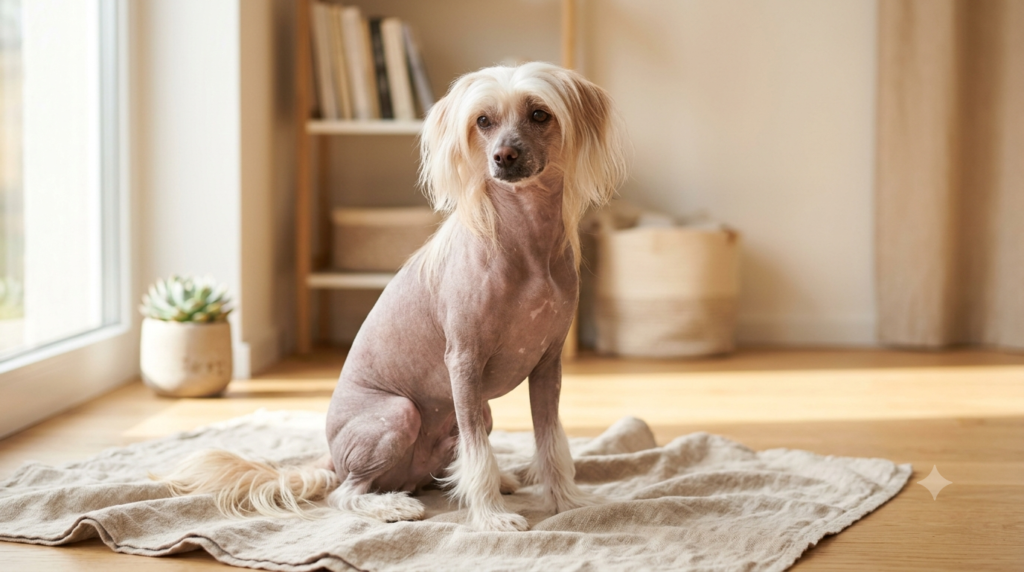
Several misconceptions surround hairless dogs. Addressing these can help potential owners make informed decisions.
Are Hairless Dogs Truly Hypoallergenic?
The term ‘hypoallergenic’ is often misunderstood.No dog breed is 100% hypoallergenic because dander (dead skin cells), saliva, and urine typically trigger allergies, not just hair. However, hairless breeds, like the hairless dog, produce less dander and shed less hair. As a result, they may reduce allergen exposure for sensitive individuals. Therefore, some allergy sufferers may find them more suitable. Nevertheless, they do not guarantee an allergy-free environment.
Do They Require Less Grooming?
While hairless dogs do not shed or require brushing like their coated counterparts, they certainly do not require less grooming overall. Their unique skin demands a different type of attention. As discussed, regular bathing, moisturizing, and sun protection are essential. Additionally, some hairless breeds may have hair tufts that need occasional trimming. Therefore, the grooming routine for a hairless dog is simply different, not necessarily less demanding.
Frequently Asked Questions About Hairless Dogs
What is the average lifespan of a hairless dog?
The average lifespan varies by breed. For example, Chinese Cresteds typically live 13-15 years, Xoloitzcuintli 13-18 years, and American Hairless Terriers 14-16 years. Proper care, nutrition, and regular veterinary check-ups contribute significantly to their longevity.
Can hairless dogs get sunburned?
Yes, absolutely. Their exposed skin is highly susceptible to sunburn, just like human skin. It is crucial to apply pet-safe sunscreen when they are outdoors, especially during peak sun hours, and to limit prolonged exposure to direct sunlight.
Are hairless dogs good for families with children?
Many hairless breeds can be wonderful family pets. Breeds like the Chinese Crested and American Hairless Terrier are often playful and affectionate. However, proper socialization, supervision, and teaching children how to interact gently with any dog are always important. Their sensitive skin means they need careful handling.
Embracing the Unique Charm of a Hairless Dog
Owning a hairless dog offers a truly distinctive experience. These breeds provide deep companionship, often displaying intelligent and affectionate personalities. While their specific skin and temperature regulation needs require dedicated care, the rewards of their unique charm and loyalty are substantial. Understanding their requirements and providing consistent attention ensures a healthy, happy life for these remarkable canine companions.
