


Expert Dog Grooming Tips for a Healthy and Happy Canine Companion
Consistent dog grooming is more than just making your pet look good; it’s a fundamental aspect of their overall health, hygiene, and comfort. Regular grooming routines strengthen the bond between you and your canine companion, allowing you to check for any skin issues, parasites, or unusual lumps. By integrating grooming into your routine, you contribute significantly to your dog’s well-being and happiness. This article provides practical and expert dog grooming tips, covering essential practices from basic brushing to more advanced care, ensuring your dog thrives.
Foundational Dog Grooming Tips: Brushing and Bathing
The most frequent and crucial grooming activities involve brushing and bathing. These steps are vital for maintaining your dog’s coat health, preventing skin problems, and keeping them clean. Understanding the right techniques for these foundational tasks is key to effective dog grooming tips.
Effective Brushing Techniques: A Key Dog Grooming Tip
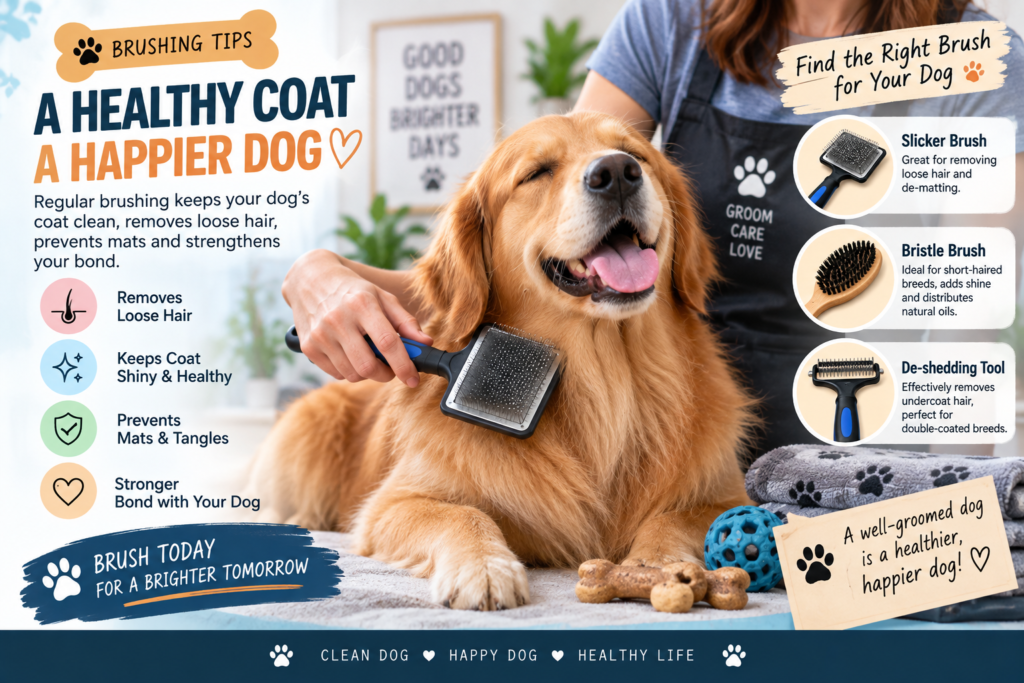
Brushing is perhaps the most important daily or weekly dog grooming tip. The frequency depends heavily on your dog’s coat type. Short-haired breeds might only need brushing once a week, while long-haired or double-coated breeds often require daily attention to prevent mats and tangles. Different brushes serve different purposes:
- Slicker brushes are excellent for removing loose hair and de-matting.
- Bristle brushes are ideal for short-haired breeds, distributing natural oils and adding shine.
- De-shedding tools (like a deshedding rake) effectively remove undercoat hair, especially for double-coated breeds.
When brushing, always work in the direction of hair growth. Start with a wide-toothed comb or a slicker brush to gently detangle any knots. Pay close attention to areas prone to matting, such as behind the ears, under the legs, and around the tail. Always use positive reinforcement, offering praise and treats to make the experience enjoyable for your dog. For more details on selecting the right tools, consider exploring resources on Choosing the Right Grooming Tools.
Bathing Your Canine Companion Safely
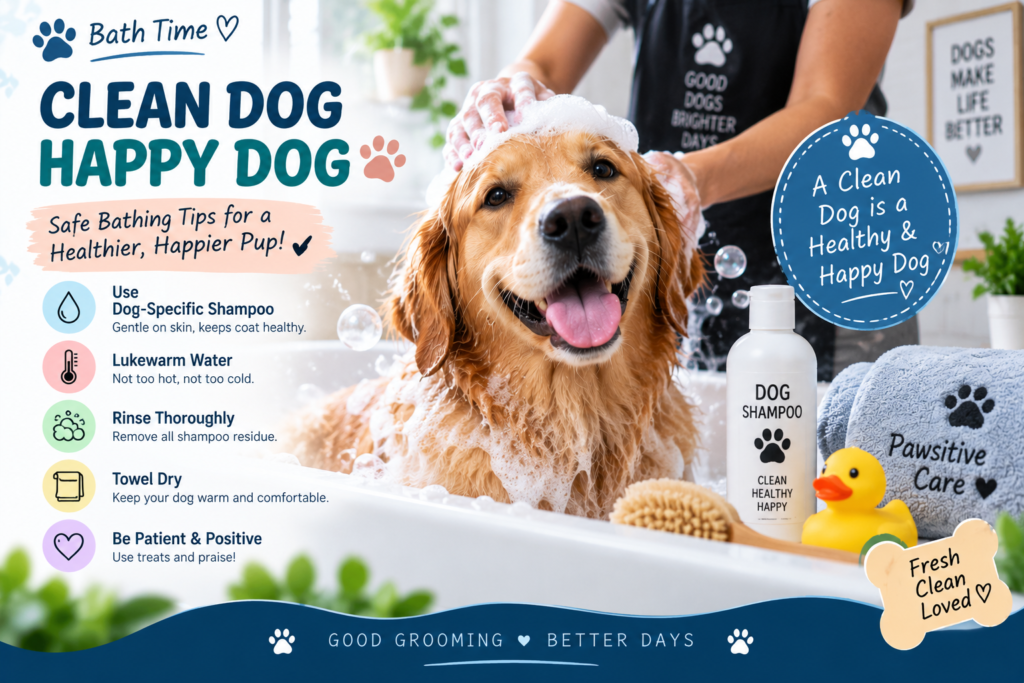
Bathing frequency varies, but generally, most dogs benefit from a bath every 1-3 months, or when they are visibly dirty. Over-bathing can strip your dog’s skin of its natural oils, leading to dryness and irritation. Consequently, before you begin, gather all your supplies: dog-specific shampoo, towels, cotton balls for ears, and a non-slip mat for the tub. Ensure the water temperature is lukewarm, not too hot or cold.
Thoroughly wet your dog’s coat, then apply a small amount of dog shampoo, working it into a lather. Avoid getting water or shampoo in their eyes and ears. Rinse thoroughly until all shampoo residue is gone, as leftover product can cause skin irritation. Finally, towel dry your dog vigorously. For dogs who are anxious during bath time, introduce the process gradually, using treats and calm reassurance.
Beyond the Basics: Advanced Dog Grooming Tips for Overall Well-being
While brushing and bathing are fundamental, other less frequent but equally important grooming tasks contribute significantly to your dog’s health. These advanced dog grooming tips address specific needs that prevent common health issues.
Mastering Nail Trimming: Essential Dog Grooming for Comfort
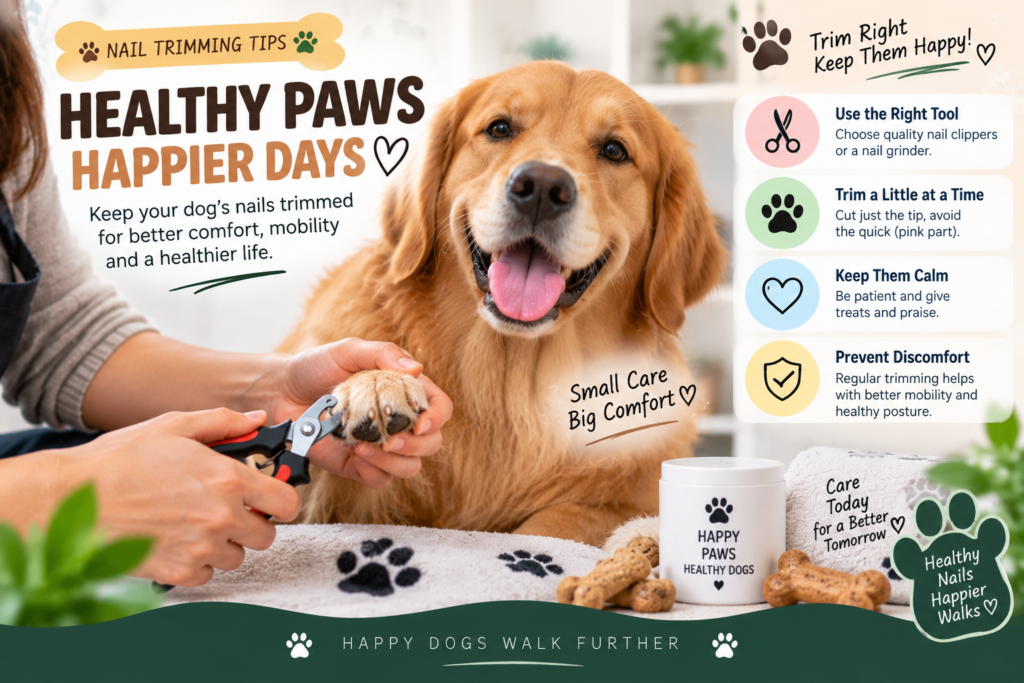
Regular nail trimming is crucial for preventing pain and mobility issues. Overgrown nails can cause discomfort, lead to splayed toes, and even affect your dog’s gait. You can use either clippers (scissor-style or guillotine-style) or a nail grinder. If using clippers, hold your dog’s paw firmly and clip just the tip of the nail, avoiding the ‘quick’ – the pink part of the nail containing blood vessels and nerves. If your dog has dark nails, trim small amounts at a time until you see a small gray or white oval appear in the center of the cut surface.
To make nail trimming a less stressful experience, start early in your dog’s life, introduce the tools gradually, and offer plenty of praise and treats. If you accidentally cut the quick, use styptic powder to stop the bleeding.
Ear Cleaning and Dental Care: Vital Grooming Practices
In addition, ear cleaning and dental care are vital dog grooming tips for preventing common health issues. Inspect your dog’s ears weekly for redness, odor, or discharge, which can indicate an infection. To clean, use a vet-approved ear cleaning solution and a cotton ball. Gently wipe the visible parts of the ear canal, never inserting anything deep into the ear. If you suspect an infection, consult your veterinarian.
Dental hygiene is equally important. Brushing your dog’s teeth several times a week with dog-specific toothpaste helps prevent plaque buildup and gum disease. Dental chews and toys can also assist, but they are not a substitute for brushing. Look for signs of dental disease such as bad breath, red or bleeding gums, and difficulty eating. For comprehensive information on pet dental care, refer to resources like AVMA Pet Dental Care.
Tailoring Dog Grooming Tips to Coat Types
Effective dog grooming tips are not one-size-fits-all; they must be tailored to your dog’s specific coat type. Different coats require different tools and frequencies to maintain their health and appearance.
| Coat Type | Description | Recommended Tools | Grooming Frequency |
| Short/Smooth | Minimal shedding, close to body (e.g., Labrador, Boxer) | Bristle brush, rubber curry comb | Weekly brushing, monthly bathing |
| Long/Silky | Prone to tangles and mats (e.g., Shih Tzu, Afghan Hound) | Pin brush, slicker brush, steel comb | Daily brushing, monthly bathing |
| Wire-haired | Coarse, dense outer coat; soft undercoat (e.g., Terrier breeds) | Slicker brush, stripping knife, steel comb | Weekly brushing, occasional hand-stripping |
| Curly/Wavy | Non-shedding, prone to matting (e.g., Poodle, Bichon Frise) | Slicker brush, steel comb | Daily brushing, professional grooming every 4-6 weeks |
| Double Coat | Dense undercoat, protective outer coat (e.g., Husky, German Shepherd) | De-shedding tool, slicker brush, undercoat rake | Weekly brushing (daily during shedding season), occasional bathing |
When to Consider Professional Dog Grooming Services
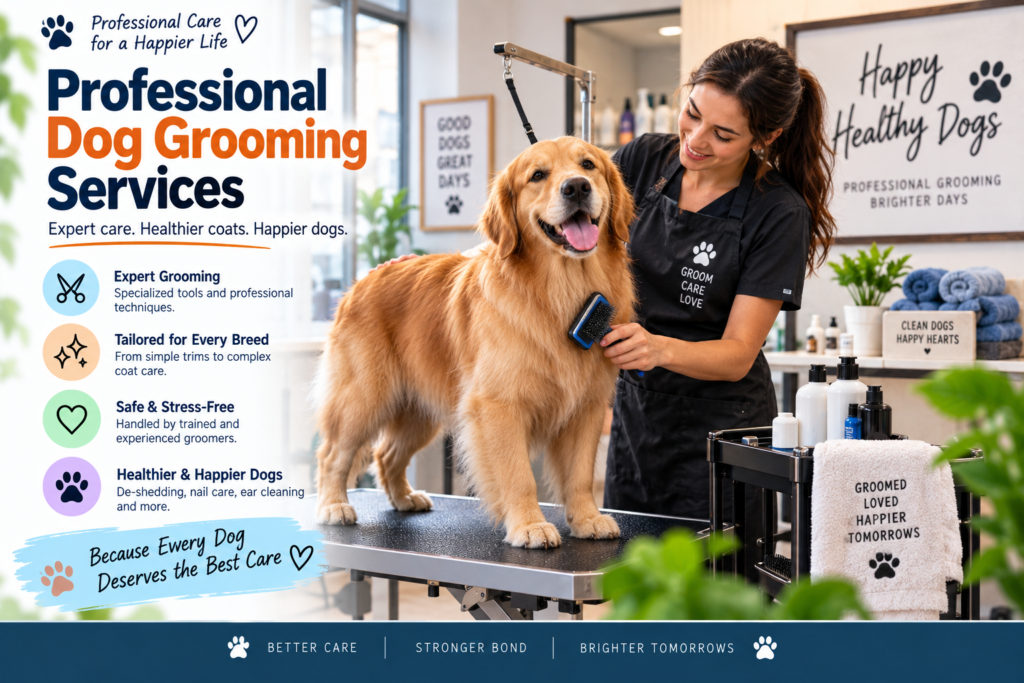
While at-home grooming is essential, there are times when professional dog grooming services are highly beneficial. Professional groomers have specialized equipment, expertise, and experience, especially for complex breeds with intricate coat needs or for dogs that are particularly anxious or challenging to groom at home. They can handle tasks like intricate trims, de-shedding treatments, and safely manage dogs with behavioral challenges during grooming. While grooming is vital for physical health, basic manners are equally important; for help with obedience and behavioral needs, you might also consider professional dog training. If you’re unsure about a specific grooming task or if your dog’s coat is severely matted, seeking professional help is often safer and more effective. For guidance on selecting a professional, consider resources on Finding a Reputable Dog Groomer.
Frequently Asked Questions About Dog Grooming
Many dog owners have common questions about maintaining their pet’s grooming routine.
How often should I groom my dog?
The ideal dog grooming frequency depends on several factors: your dog’s breed, coat type, lifestyle, and individual needs. Daily brushing is beneficial for long-haired breeds, while short-haired dogs might only need weekly attention. Bathing typically ranges from every few weeks to every few months. Regular checks of nails, ears, and teeth should be done weekly.
What are the best dog grooming tools for beginners?
For beginners, a basic starter kit should include a good quality slicker brush, a steel comb, dog-specific nail clippers, a gentle dog shampoo, and an ear cleaning solution. As you become more comfortable, you can expand your collection of dog grooming tools based on your dog’s specific needs.
Can I use human shampoo on my dog?
No, it is not recommended to use human shampoo on your dog. Human shampoos are formulated for human skin pH levels, which are different from a dog’s. Using human shampoo can strip your dog’s skin of its natural oils, leading to dryness, irritation, and potential skin problems. Always use a shampoo specifically designed for dogs.
How do I make grooming a positive experience for my dog?
Making grooming a positive experience involves patience, positive reinforcement, and starting early. Introduce grooming tools gradually, allow your dog to sniff them, and reward calm behavior with treats and praise. Keep sessions short, especially when first starting, and gradually increase duration. Consistency and a gentle approach are key to fostering a positive association with grooming.
Conclusion: Consistent Dog Grooming for a Happy, Healthy Life
Applying these expert dog grooming tips consistently is vital for your pet’s health, comfort, and overall happiness. From regular brushing and bathing to essential nail, ear, and dental care, each step contributes to a well-maintained and thriving canine companion. Integrate these practices into your routine, and don’t hesitate to seek professional help when needed. The time and effort invested in proper pet care not only keeps your dog looking and feeling their best but also strengthens the unique bond you share.
