




Cat breeds that dont shed: Why do cats purr and how they express comfort
Discover cat breeds that don’t shed and learn why cats purr, how they communicate, and how low-shedding breeds offer comfort in your home.
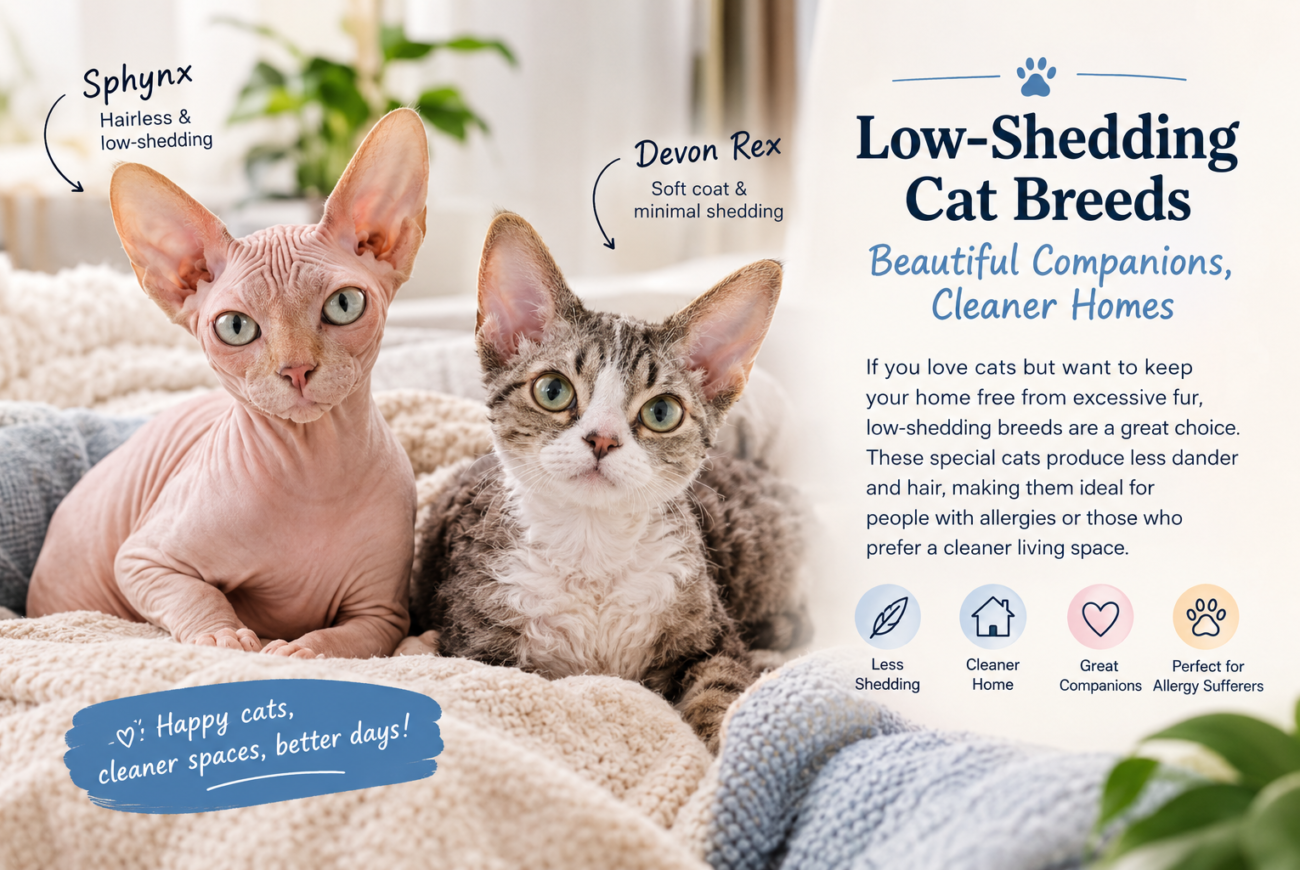
Many pet lovers searching for cat breeds that dont shed often appreciate the gentle rumble of a contented feline companion. While purring is frequently associated with pure happiness, understandingwhy do cats purr reveals a far more intricate biological and behavioral phenomenon than simple pleasure. This unique vocalization serves multiple purposes, ranging from expressing satisfaction to self-soothing during distress. Furthermore, learning about low-shedding cats alongside feline behavior provides deeper insight into caring for your home and pets. This guide explores the mechanics, reasons, and therapeutic benefits behind the enigmatic purr while highlighting key traits of cat breeds that don’t shed.
The Mechanics of Purring: How Do Cats Purr?
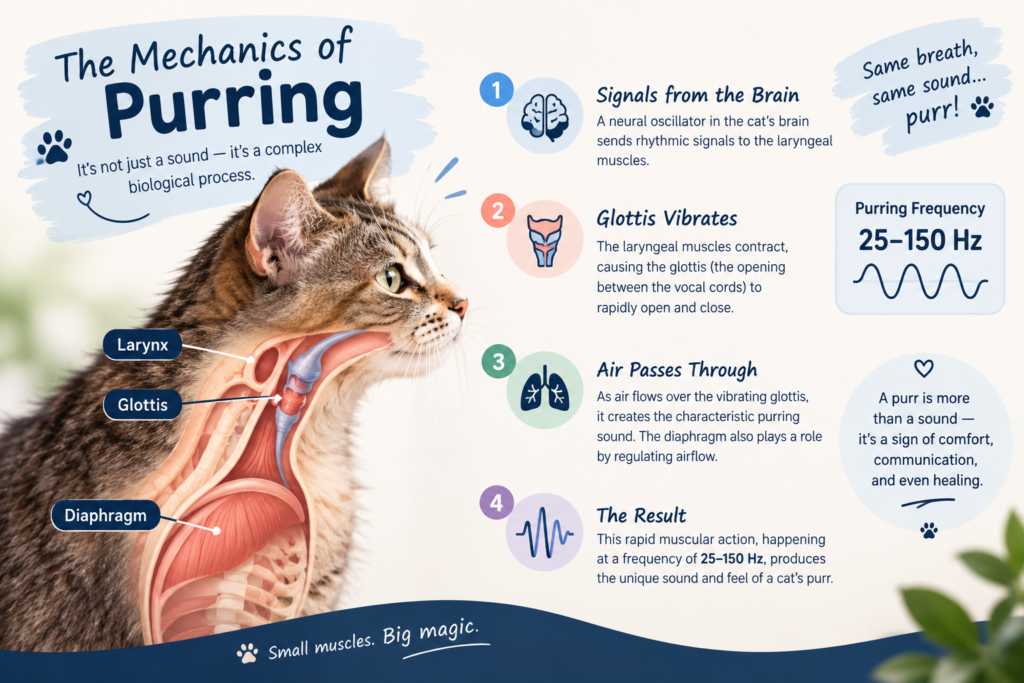
A cat’s purr isn’t generated by vocal cords in the same way a meow is. Instead, it’s a unique vocalization produced by the rapid oscillation of the laryngeal muscles and the diaphragm. This intricate process allows cats to create the distinct purring sound during both inhalation and exhalation, a continuous rumble that can last for extended periods.
The process begins in the cat’s brain, where a neural oscillator sends rhythmic signals to the laryngeal muscles. These muscles then constrict the glottis – the opening between the vocal cords – causing it to separate and come together rapidly. As air passes over the vibrating glottis, it creates the characteristic purring sound. The diaphragm, a muscle essential for breathing, also plays a role by regulating airflow, contributing to the consistent rhythm and volume of the purr. This rapid muscular action, occurring at a frequency typically between 25 and 150 Hertz, is what defines the unique sound and feel of a cat’s purr.
Anatomical structure of a cat’s larynx, demonstrating how vibrations produce purring tones during breathing.
Beyond Contentment: Reasons Why Cat Breeds That Don’t Shed Purr
While a purring cat often signifies a happy cat, the reasons why cats purr extend far beyond simple contentment. This complex behavior serves various functions, from communication to self-preservation. Exploring these different contexts helps us better understand our feline friends.
Purring for Pleasure and Affection
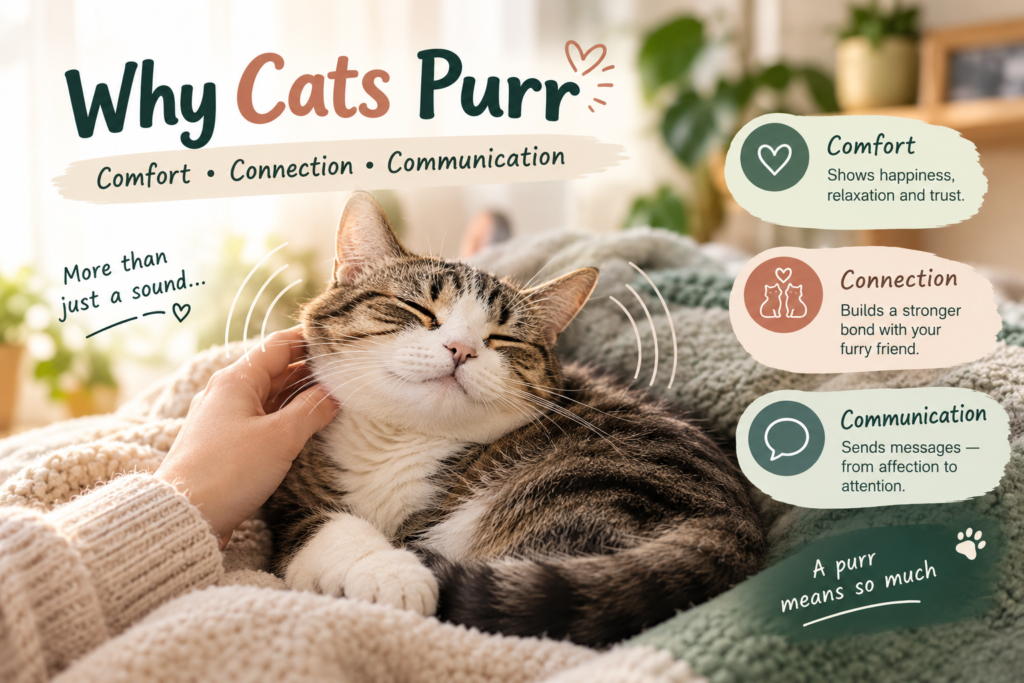
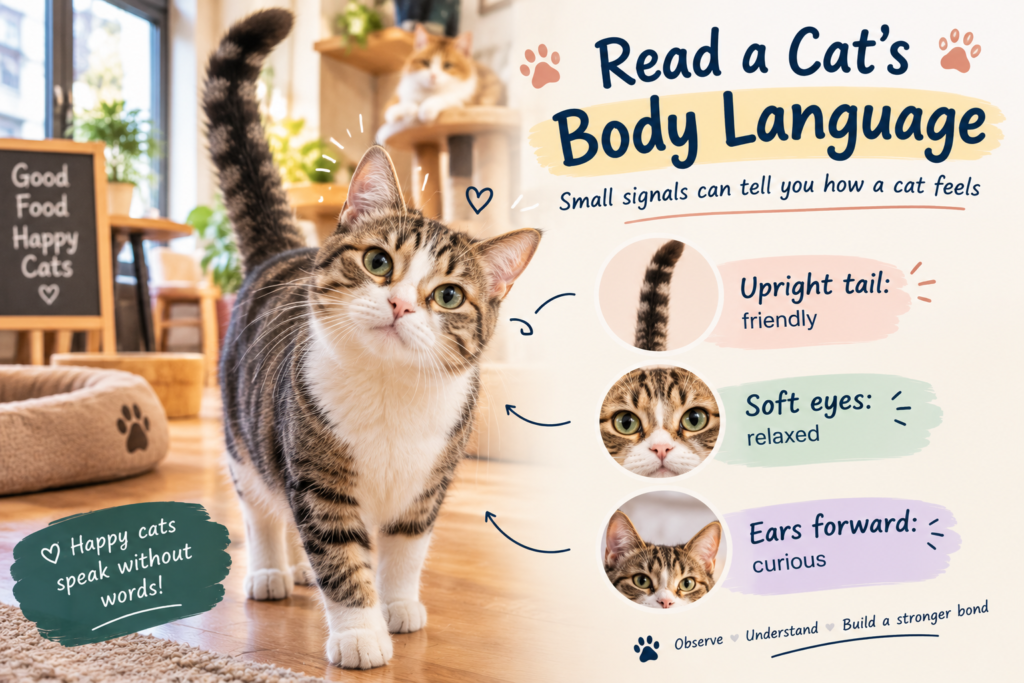
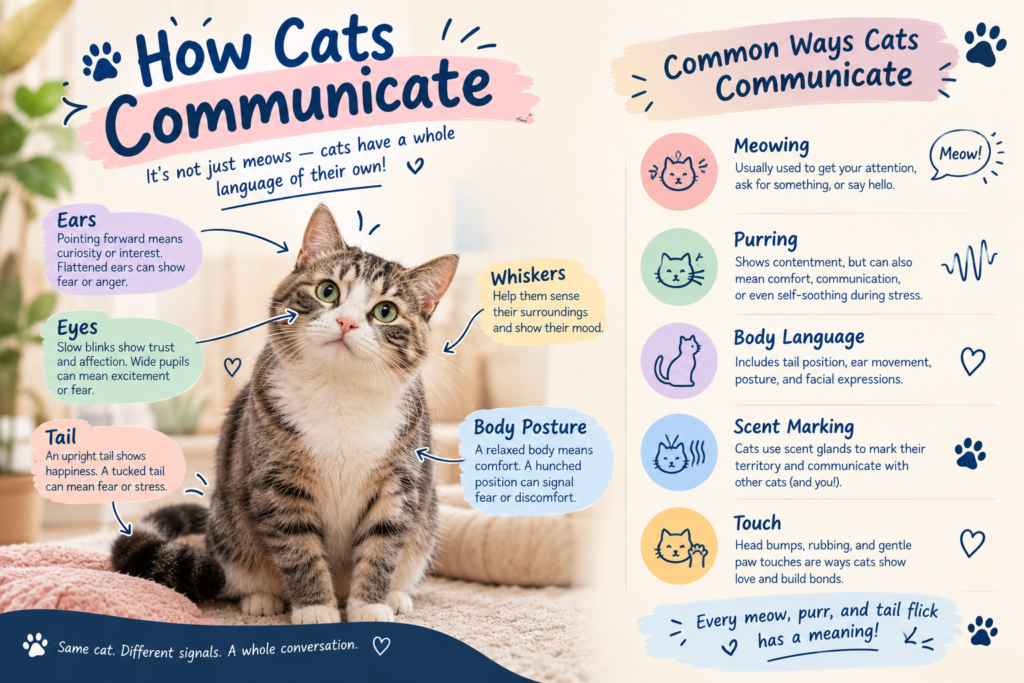
The most commonly recognized reason for purring is undoubtedly pleasure and affection. Indeed, popular cat breeds that don’t shed—such as the Sphynx, Cornish Rex, or Devon Rex—often purr enthusiastically when cuddling or resting in a warm spot. This soft, rhythmic sound accompanies relaxed body language like kneading paws and slow blinks. Consequently, it reinforces the strong emotional bond between pets and owners. Ultimately, when a cat purrs in this peaceful setting, it offers a clear sign of trust, comfort, and affection.
Purring for Communication and Solicitation
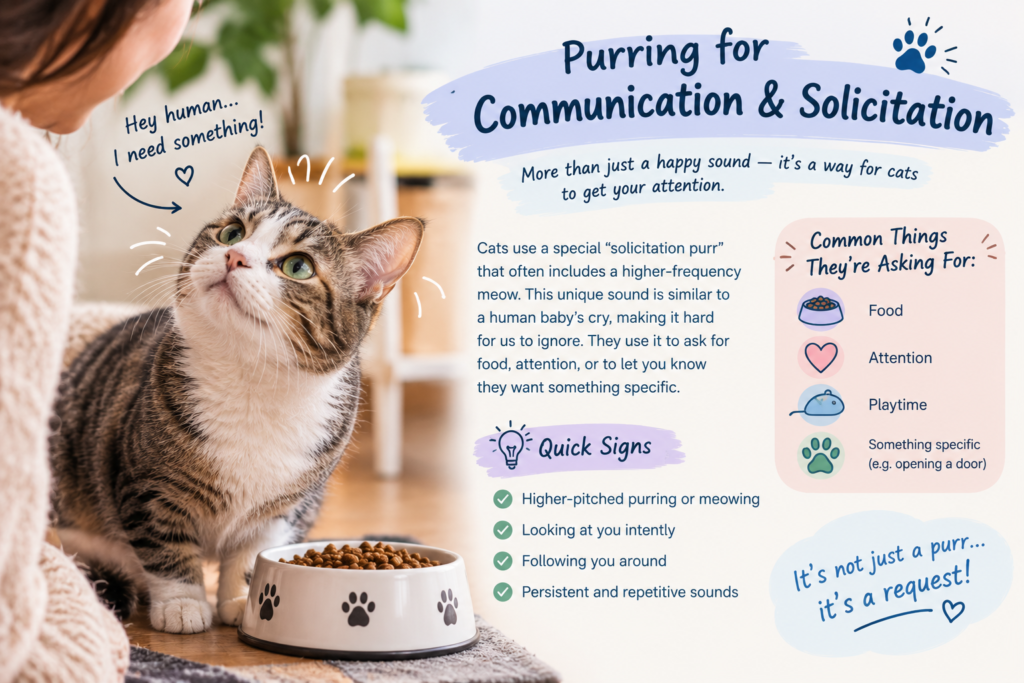
Cats are adept communicators, and purring is a key part of their vocal repertoire. One specific type, known as the ‘solicitation purr,’ is particularly interesting. This purr often incorporates a higher-frequency cry or meow, making it sound more urgent and distinct from a typical contentment purr. Research suggests that this solicitation purr has acoustic similarities to a human baby’s cry, which makes it incredibly effective at grabbing human attention. Cats often use this purr to solicit food, attention, or to indicate they want something specific from their owners. It’s a clever evolutionary adaptation that makes it difficult for humans to ignore their feline’s requests.
An attentive feline looking up at its owner, utilizing purring sounds to solicit food or affection.
Purring During Stress, Fear, or Pain
Perhaps less intuitive, cats also purr when they are stressed, fearful, or experiencing pain. This behavior is believed to be a self-soothing mechanism, similar to how a human might hum or rock themselves when anxious. Examples include cats purring at the veterinary clinic, during labor, or after an injury. In these situations, the purr might be a way for the cat to calm itself, reduce anxiety, and potentially even promote healing. It is crucial to observe other body language cues – such as flattened ears, dilated pupils, or a hunched posture – to accurately interpret the meaning of a purr in these less obvious contexts. A purr alone does not always indicate happiness.
The Healing Power: How a Cat’s Purr Aids Recovery
Beyond communication and emotional expression, a cat’s purr may possess remarkable therapeutic properties. Scientific theories suggest that the low-frequency vibrations produced by purring, typically ranging from 25 to 150 Hz, can have significant physiological benefits. These frequencies are within a range known to promote bone density, aid in the healing of muscles and tendons, reduce pain and swelling, and even accelerate wound healing. This phenomenon is sometimes referred to as ‘vibroacoustic therapy.’
While research is ongoing, studies show that low-frequency vibrations stimulate tissue regeneration and pain relief. For example, frequencies between 25 and 50 Hz are optimal for bone growth, whereas 100 Hz aids soft tissue repair. Interestingly, many owners of cat breeds that don’t shed report that close physical contact during purring brings mutual therapeutic relaxation. Additionally, using a cat calming diffuser or a cat grooming brush helps maintain a tranquil environment for your feline companion.
Interpreting Your Cat’s Purr: A Quick Reference Guide
Understanding the context of your cat’s purr is key to deciphering its meaning. This quick reference guide helps you interpret why your cat might be purring in various situations, offering insights into their needs and emotional state.
Table: Common Purr Contexts and Their Meanings
| Context of Purr | Likely Reason/Meaning | Owner Action/Observation |
| Being petted or cuddled | Contentment, affection, relaxation, feeling safe | Continue petting, enjoy the moment, observe relaxed body language. |
| Before or during feeding time | Soliciting food, attention, anticipation | Check food bowl, engage with your cat, acknowledge their request. |
| At the veterinary clinic | Stress, fear, self-soothing, pain | Offer comfort, monitor other body language (e.g., flattened ears, hiding), inform vet. |
| After an injury or illness | Self-healing, pain relief, self-soothing | Provide a quiet, comfortable space; consult a veterinarian for medical attention. |
| During birth/nursing kittens | Pain relief, self-soothing, communication with kittens | Ensure a calm environment for the mother and kittens; observe for signs of distress. |
| Waking up from a nap | Contentment, stretching, acknowledging presence | Acknowledge with a gentle stroke or soft word. |
Common Questions About Why Cats Purr (FAQ)
The mystery of the purr often leads to many questions. Here are answers to some frequently asked questions about this unique feline behavior.
Do All Cats Purr?
Most domestic felines purr, including popular cat breeds that don’t shed like the Peterbald and Russian Blue. However, acoustic volume varies considerably between individual animals. Factors such as personality, health, and breed background influence these vocal habits. Kittens learn to purr within days of birth to communicate with their mothers. Although rare, a cat that never purrs may simply have a unique demeanor or a mild neurological variation. If you ever notice abrupt changes in your pet’s purring patterns, consulting a veterinarian is recommended.
Can Big Cats Purr Like Domestic Cats?
The ability to purr is largely confined to smaller felines (Felinae), which include domestic cats, cheetahs, pumas, and lynxes. Big cats (Pantherinae), such as lions, tigers, leopards, and jaguars, have a different anatomical structure in their larynx, specifically a fully ossified hyoid bone, which allows them to roar but not purr continuously. Domestic cats and other purring felines have a partially ossified hyoid bone, enabling the rapid vibration necessary for purring. This anatomical difference is a key distinction in the Felidae family.
Is a Silent Purr Possible?
Yes, a ‘silent purr’ is indeed possible. This phenomenon occurs when a cat’s body vibrates with the characteristic purr frequency, but little to no audible sound is produced. This can happen for several reasons: the purr might be at a very low frequency, below the range of human hearing, or the cat might be extremely relaxed, resulting in a very subtle vibration. Owners often feel these silent purrs more than they hear them, especially when a cat is resting on their lap. It’s still a purr, just a quieter, more intimate version.
Conclusion: The Multifaceted Language of a Cat’s Purr
Exploring feline communication and researching cat breeds that don’t shed leads to a deeper appreciation for domestic pets. Far from being a basic sound of contentment, purring encompasses self-soothing, social communication, and natural healing vibrations. Whether you care for a hypoallergenic breed or a traditional domestic shorthair, observing contextual body language helps unlock your pet’s needs. Ultimately, honoring this unique bond creates a healthier, happier home for both you and your low-shedding feline friend.
