


Discovering Cat Breeds That Don’t Shed: A Guide for Allergy Sufferers
Many cat enthusiasts face a common dilemma: the joy of feline companionship versus the challenge of shedding hair and potential allergic reactions.While the idea of a completely non-shedding cat is a myth, numerous cat breeds that dont shed significantly exist. These unique felines offer a promising solution for individuals seeking a low-maintenance pet or those sensitive to common cat allergens. Understanding which breeds fall into this category and pairing them with proper litter box hygiene—such as using the best cat litter—can help you maintain a clean, allergy-friendly home and find a compatible companion.
Understanding Cat Breeds That Dont Shed and Allergy Triggers
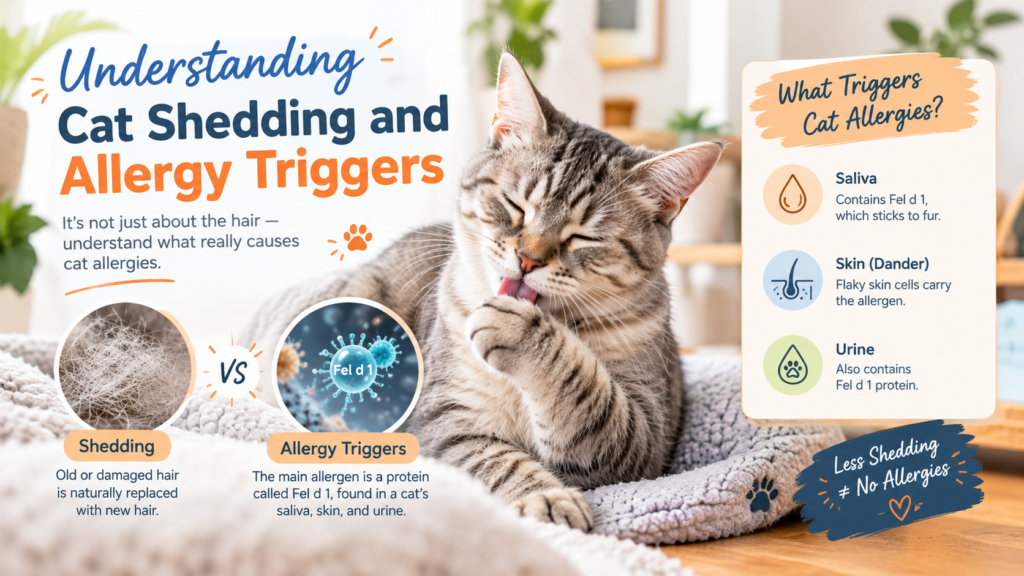
Cat shedding is a natural biological process where old or damaged hair follicles are replaced with new ones. This process varies greatly among breeds, influenced by factors like coat type, genetics, and environmental conditions. However, it’s crucial to distinguish between shedding hair and triggering allergies. For many, the primary cause of cat allergies isn’t the hair itself, but rather a protein called Fel d 1, found in a cat’s saliva, skin, and urine. When cats groom themselves, this protein-laden saliva dries on their fur, flakes off as dander, and becomes airborne. Therefore, a cat that sheds less hair might still produce significant dander, and vice versa.
The Science Behind Less Shedding Felines
The amount of shedding and dander production in cats is largely determined by their genetics and coat structure. Some cats possess unique coat types that minimize shedding, such as single coats, fine hair, or even a lack of hair. Other breeds are considered ‘hypoallergenic’ not because they don’t shed at all, but because they produce lower levels of the Fel d 1 protein. This reduction in the primary allergen makes them more tolerable for many allergy sufferers. Consequently, when searching for less shedding cats, it’s beneficial to consider both coat characteristics and known allergen production levels.
Top Cat Breeds That Don’t Shed (or Shed Minimally)
For those seeking feline friends with reduced shedding, several breeds stand out. These cats offer diverse personalities and appearances, proving that a low-shedding coat doesn’t mean compromising on charm.Here are some of the most notable cat breeds that dont shed much, making them excellent choices for many households.
Sphynx: The Hairless Wonder
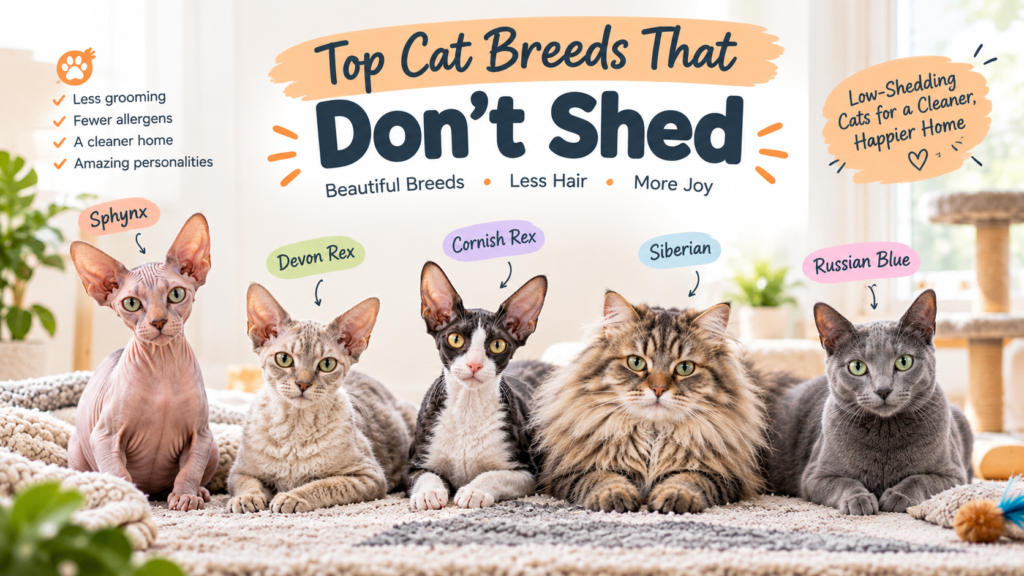
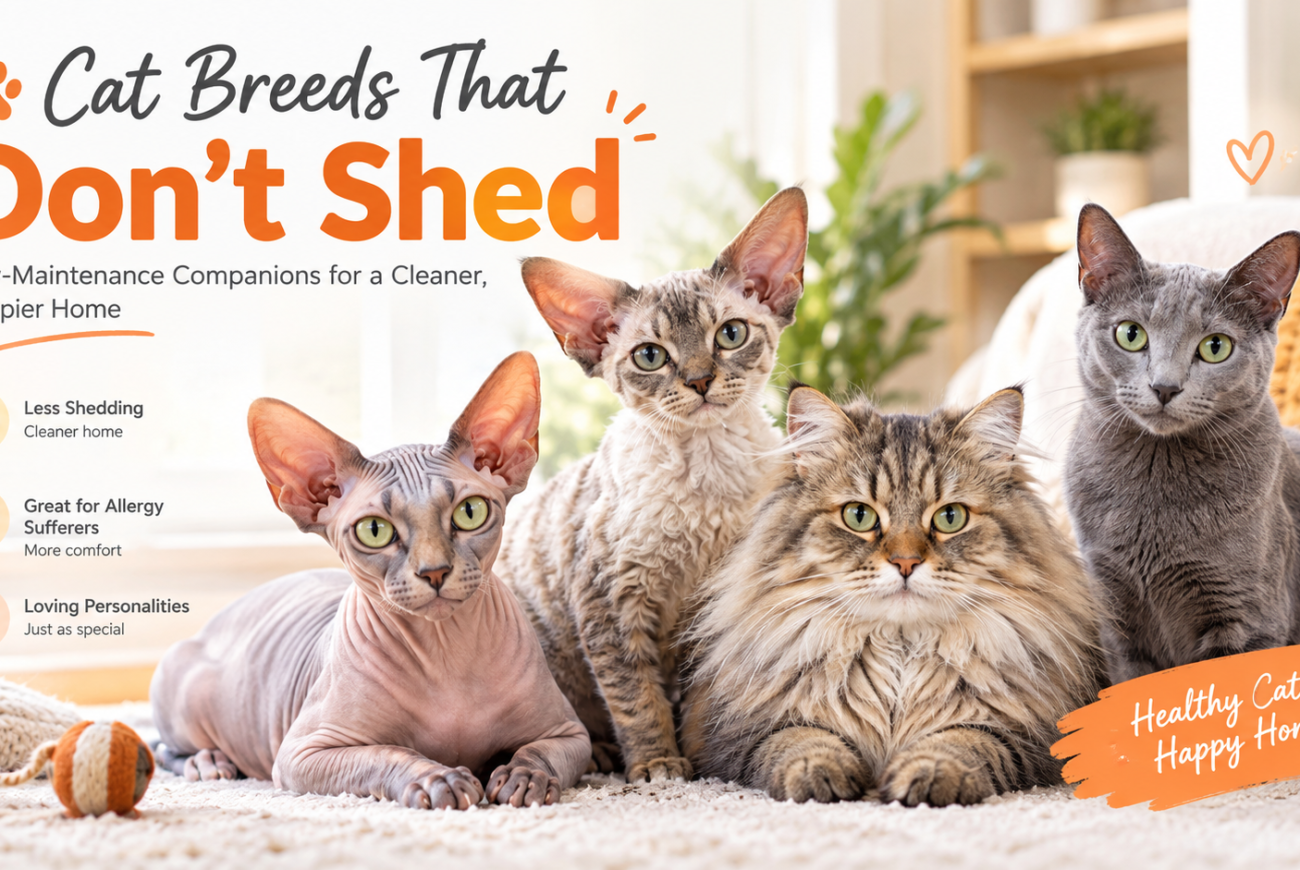
The Sphynx is perhaps the most recognized among cat breeds that dont shed, primarily because of its distinctive hairless appearance, primarily because of its distinctive hairless appearance. While not entirely hairless – they have a fine downy fuzz – they lack a traditional fur coat. This means no shedding of hair. However, their skin requires regular bathing with a gentle cat shampoo to remove oils and dander that would typically be absorbed by fur. Sphynx cats are known for their warm, affectionate, and outgoing personalities, often seeking human interaction and warmth.
Devon Rex and Cornish Rex: Curly-Coated Companions
Both the Devon Rex and Cornish Rex are celebrated for their unique, curly coats, which contribute to their minimal shedding. The Devon Rex possesses a soft, wavy coat consisting primarily of down hair, while the Cornish Rex has an even finer, wavier coat with only down hair. This unusual hair structure means they shed considerably less than most breeds. Using a soft cat slicker brush can help keep their delicate coat in top condition. These breeds are also highly intelligent, playful, and social, making them engaging companions. A Devon Rex, for example, is a curly-coated cat breed that doesn’t shed much, making it a popular choice.
Peterbald: Elegant and Varied Coats
The Peterbald is a relatively new breed originating from Russia, known for its elegant appearance and diverse coat types. Peterbalds can range from completely hairless to having a ‘flocked’ coat (peach-fuzz texture), a ‘velour’ coat (short, soft hair), or a ‘brush’ coat (wiry, longer hair). Even those with brush coats shed very little. Their sleek physique and loving, gentle temperament make them wonderful family pets. This minimal shedding cat is often sought after for its unique qualities.
Siberian: A Surprising Low-Shedder for Allergy Sufferers
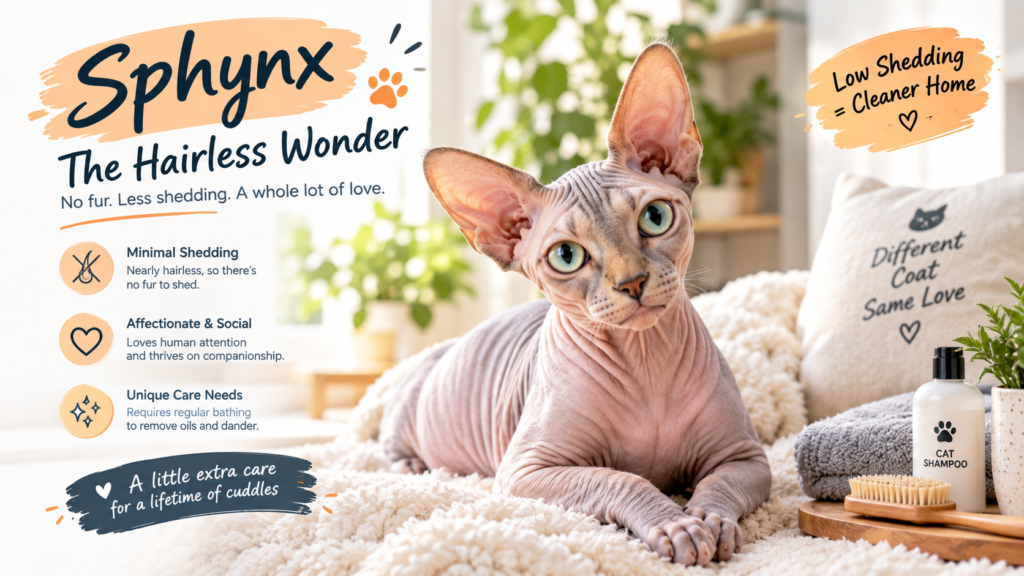
Despite their thick, luxurious triple coat, Siberians are often recommended for allergy sufferers. This is due to their lower production of the Fel d 1 protein compared to many other breeds. However, calling them a “low-shedder” is a common misconception—they actually shed moderately to heavily, especially during seasonal coat blows, requiring regular grooming with a deshedding tool to manage loose hair. Nevertheless, the reduced allergen load in their dander makes them more tolerable for many sensitive individuals. Siberians are known for their gentle, affectionate, and playful disposition, often described as dog-like in their loyalty and intelligence.
Bengal: Short Coat, Less Maintenance
Bengals are striking cats with a wild, exotic appearance and a short, dense coat that feels incredibly soft. Their unique pelt-like fur sheds less than many other breeds, making them a relatively low-maintenance option in terms of hair around the house. Bengals are highly energetic, intelligent, and curious, requiring plenty of mental and physical stimulation. Their playful nature and distinctive markings make them captivating pets.
Russian Blue: Dense Coat, Reduced Dander
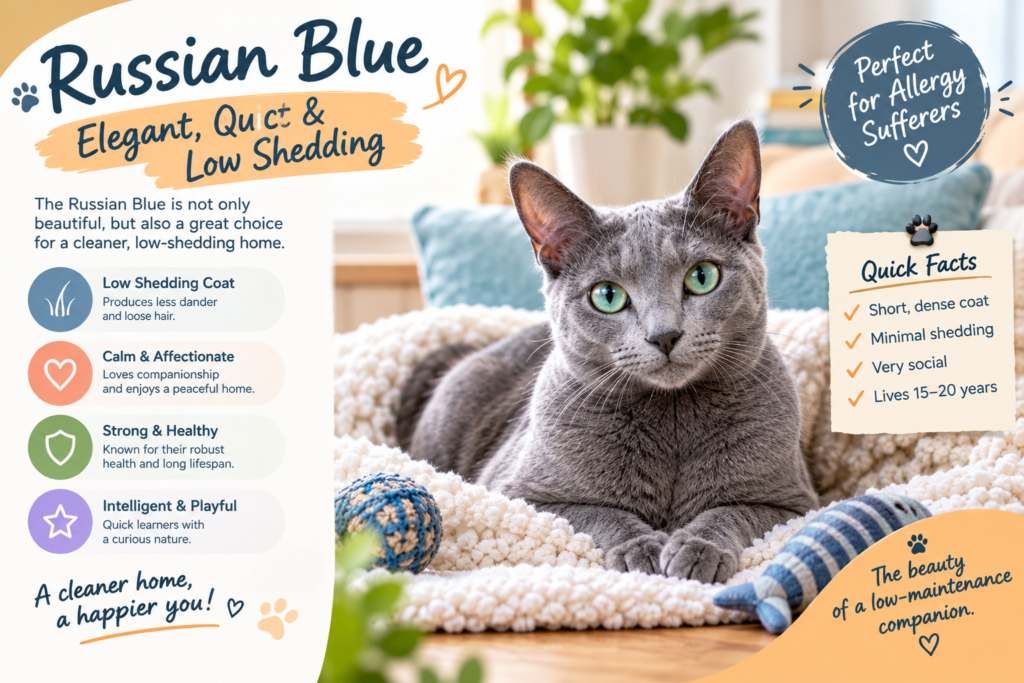
The Russian Blue is a beautiful cat with a shimmering silver-blue coat and emerald green eyes. Their dense double coat is fine and soft, and while they do shed, their unique coat structure is believed to trap dander close to the skin. This can result in fewer airborne allergens compared to other breeds. Russian Blues are typically calm, reserved, and affectionate with their families, though they can be shy around strangers. This low dander cat is a classic choice for those seeking a cleaner home environment.
Other Notable Cat Breeds That Don’t Shed Much
Beyond these prominent examples, several other breeds exhibit low-shedding characteristics. The Javanese and Balinese, for instance, are long-haired breeds with single coats that shed less than typical long-haired cats. The Oriental Shorthair, with its very short, fine coat, also sheds minimally.The LaPerm, known for its curly coat, is another excellent choice for those looking for cat breeds that dont shed extensively.
Comparing Low-Shedding Cat Breeds: A Quick Guide
Choosing among the various low shedding cat breeds involves considering more than just their shedding habits. Temperament, grooming needs, and overall allergy friendliness are also important factors. The following table provides a quick comparison to help you evaluate different options.
| Breed | Coat Type | Grooming Needs | Temperament | Allergy Friendliness |
| Sphynx | Hairless (fine down) | Regular skin bathing | Affectionate, outgoing | High (no hair) |
| Devon Rex | Short, wavy, downy | Minimal brushing | Playful, social, intelligent | High (low dander, minimal shedding) |
| Cornish Rex | Very short, fine, wavy | Minimal brushing | Active, affectionate | High (low dander, minimal shedding) |
| Peterbald | Varied (hairless to brush) | Varies by coat type | Loving, gentle, curious | High (minimal shedding) |
| Siberian | Thick, triple coat | Frequent brushing | Gentle, loyal, playful | Moderate to High (lower Fel d 1; moderate shedding) |
| Bengal | Short, dense, pelt-like | Minimal brushing | Energetic, intelligent, curious | Moderate (low shedding) |
| Russian Blue | Dense, double coat | Moderate brushing | Calm, reserved, affectionate | Moderate (dander trapped) |
| Oriental Shorthair | Very short, fine | Minimal brushing | Vocal, social, active | Moderate (minimal shedding) |
Caring for Your Low-Shedding Feline Friend
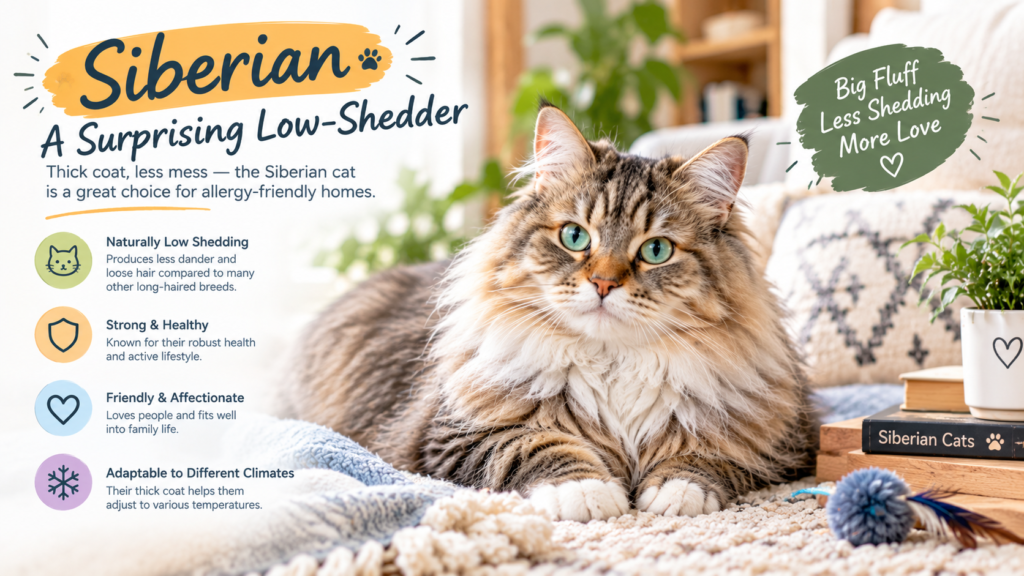
While selecting from cat breeds that don’t shed much can reduce household hair and potential allergens, it doesn’t mean they are entirely maintenance-free. These cats still require specific care routines to ensure their health and well-being. Understanding these needs is key to responsible pet ownership.
Grooming Routines for Minimal Shedders
Grooming requirements vary significantly depending on the specific breed. For example, Sphynx cats, despite being hairless, need regular bathing (typically once a week) to remove body oils that accumulate on their skin. Using a gentle cat grooming wipe between baths can help keep their skin clean without over-drying. Breeds like the Devon Rex and Cornish Rex, with their delicate curly coats, benefit from gentle brushing a few times a week to remove loose hairs and distribute natural oils, but harsh brushing can damage their unique fur. Siberians, with their thick coats, require regular brushing with an undercoat rake, especially during seasonal shedding, to prevent mats and keep their fur healthy.
Diet and Health Considerations for These Breeds
A balanced diet is fundamental for any cat’s health, including those from cat breeds that don’t shed. High-quality cat food supports healthy skin and coat, which is particularly important for breeds like the Sphynx, where skin health is paramount. For all cats, adequate hydration is crucial. Regular veterinary check-ups are also essential to monitor overall health and address any breed-specific predispositions. For instance, some breeds might be more prone to certain dental issues or heart conditions, making proactive care vital.
Frequently Asked Questions About Cat Breeds That Don’t Shed
Many people have questions when considering a low-shedding cat. Here are answers to some common inquiries:
- Are any cats truly hypoallergenic? No cat is 100% hypoallergenic. The term ‘hypoallergenic’ refers to a reduced likelihood of causing an allergic reaction, not an absence of allergens. Cats produce Fel d 1 protein in their saliva, sebaceous glands, and urine. Using a high-efficiency HEPA air purifier alongside low-dander breeds can further help reduce airborne allergens.
- Do low-shedding cats still need grooming? Yes, absolutely. While they may not shed as much hair, their grooming needs can be different. Hairless breeds require skin care, while curly-coated breeds need gentle brushing. All cats benefit from nail trims and dental care.
- Can I be allergic to a low-shedding cat? Yes, it’s possible. Even with reduced allergens, some individuals may still react. Spending time with a specific breed before adoption is highly recommended to assess your personal reaction.
- Are these breeds suitable for all allergy sufferers? Not necessarily. Individual sensitivities vary. What works for one person might not work for another. Consulting with an allergist and spending time with the cat are the best approaches.
Finding Your Perfect Companion Among Cat Breeds That Don’t Shed
Choosing a feline companion, especially when considering allergies or shedding concerns, requires careful thought. The availability of various cat breeds that dont shed significantly offers wonderful opportunities for many households to experience the joy of cat ownership. Whether you’re drawn to the unique appearance of a Sphynx, the playful nature of a Devon Rex, or the surprising allergy-friendliness of a Siberian, there’s a low-shedding cat breed that could be a perfect match. Thorough research into each breed’s specific needs and temperament, coupled with direct interaction, will guide you toward a happy and healthy relationship with your new feline friend. Responsible pet ownership begins with understanding and meeting the needs of your chosen companion.
