




How Long Do Cats Live? A Guide to Feline Longevity and Care
How Long Do Cats Live? A Guide to Feline Longevity and Care
The average cat lifespan can vary depending on genetics, environment, diet, and the quality of care a cat receives. The lifespan of a feline companion can vary significantly, influenced by a complex interplay of genetics, environment, and the quality of care they receive. While some cats may enjoy a relatively short existence, others can become cherished family members for two decades or more. This article explores the various factors that determine a cat’s longevity, offering insights into how you can help your beloved pet lead a long, healthy, and fulfilling life.
To ensure your cat receives the best possible care, consider learning more about Choosing the Right Cat Food and Understanding Cat Behavior. For further expert information, consult resources like the American Veterinary Medical Association (AVMA) and the Cornell Feline Health Center.
Understanding How Long Do Cats Live: Average Lifespans
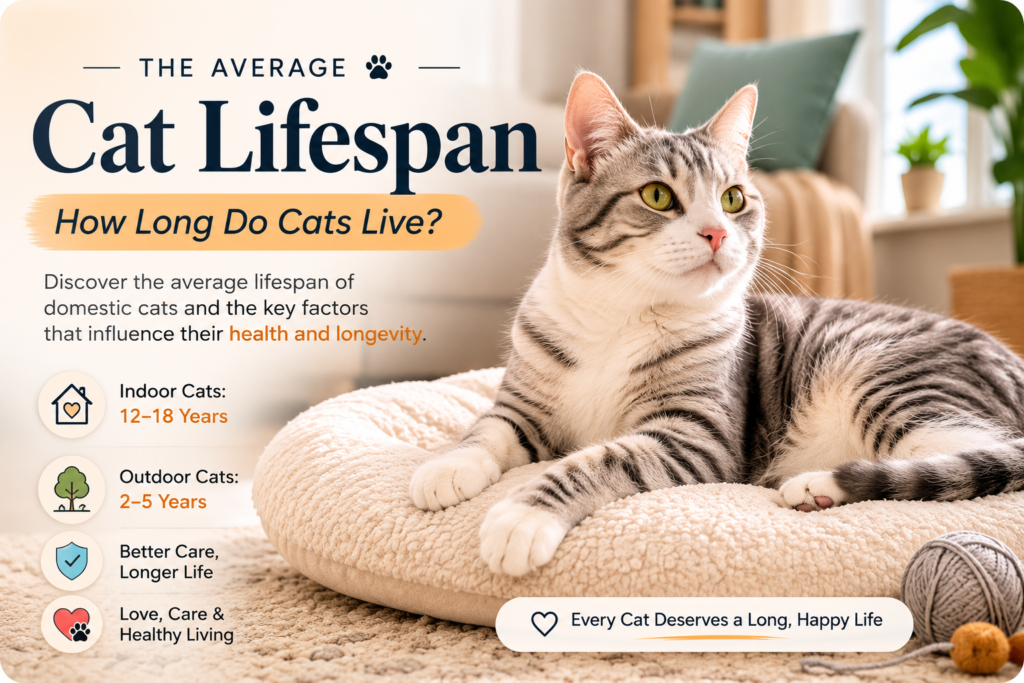
When considering how long do cats live, it’s helpful to look at general averages. Most domestic cats can expect to live between 12 and 18 years. However, this is merely an average, and many cats defy these statistics, living much shorter or considerably longer lives. Factors such as lifestyle, diet, and veterinary care play a substantial role in determining an individual cat’s journey through life.
What is the Typical Lifespan of a Domestic Cat?
The typical lifespan of a domestic cat often falls within the 12 to 18-year range. However, it is not uncommon for cats to reach their early twenties. Advancements in veterinary medicine, improved nutritional understanding, and a greater emphasis on preventative care have all contributed to an increase in the average domestic cat life expectancy over recent decades. A cat living into its late teens or early twenties is now a more frequent occurrence than in the past, reflecting better overall care practices.
Key Influences on How Long Cats Live
Several primary factors significantly impact how long cats live. These influences range from inherent biological traits to the daily care and environment provided by their human companions. Understanding these elements is crucial for promoting optimal cat longevity.
The Impact of Genetics and Breed on Cat Lifespan
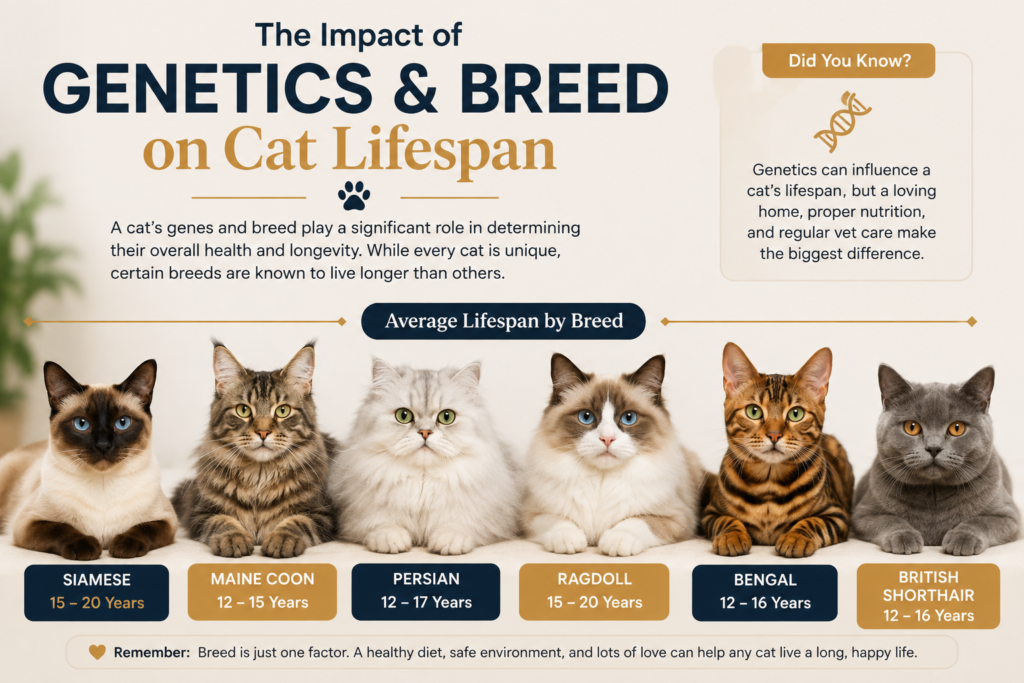
Genetics play a foundational role in determining how long cats live. Some breeds are predisposed to certain health conditions that can affect their lifespan, while others are known for their robust health. Mixed-breed cats, often referred to as ‘moggies,’ frequently exhibit what is known as ‘hybrid vigor,’ meaning they tend to have fewer genetic health issues compared to some purebreds, potentially contributing to a longer life. However, specific purebreds can also be known for their impressive longevity.
| Cat Breed | Typical Lifespan (Years) |
| Siamese | 12-20+ |
| Maine Coon | 12-15 |
| Persian | 12-17 |
| Ragdoll | 12-17 |
| Sphynx | 10-15 |
| Burmese | 16-18+ |
This table illustrates that cat breed lifespan can vary, with some breeds like the Siamese and Burmese often living longer than the average.
Nutrition and Diet: Fueling a Long Cat Life
A balanced, high-quality diet is paramount for a cat’s health and directly influences cat longevity. Cats are obligate carnivores, meaning their diet must consist primarily of animal-based protein. Proper nutrition for cats supports all bodily functions, from immune system strength to organ health. Conversely, poor nutrition, including diets high in fillers or inappropriate ingredients, can lead to obesity, diabetes, kidney disease, and other conditions that shorten a cat’s life. Maintaining a healthy weight through appropriate portion control is also critical.
The Crucial Role of Veterinary Care in Feline Longevity
Regular veterinary care for cats is indispensable for extending their lifespan. Annual or bi-annual check-ups allow veterinarians to detect potential health issues early, often before symptoms become apparent. Vaccinations protect against common and dangerous feline diseases, while parasite control prevents infestations that can compromise health. Preventative care, including dental cleanings and routine blood work, can significantly impact feline longevity by addressing problems proactively.
Indoor vs. Outdoor Cats: A Lifespan Comparison
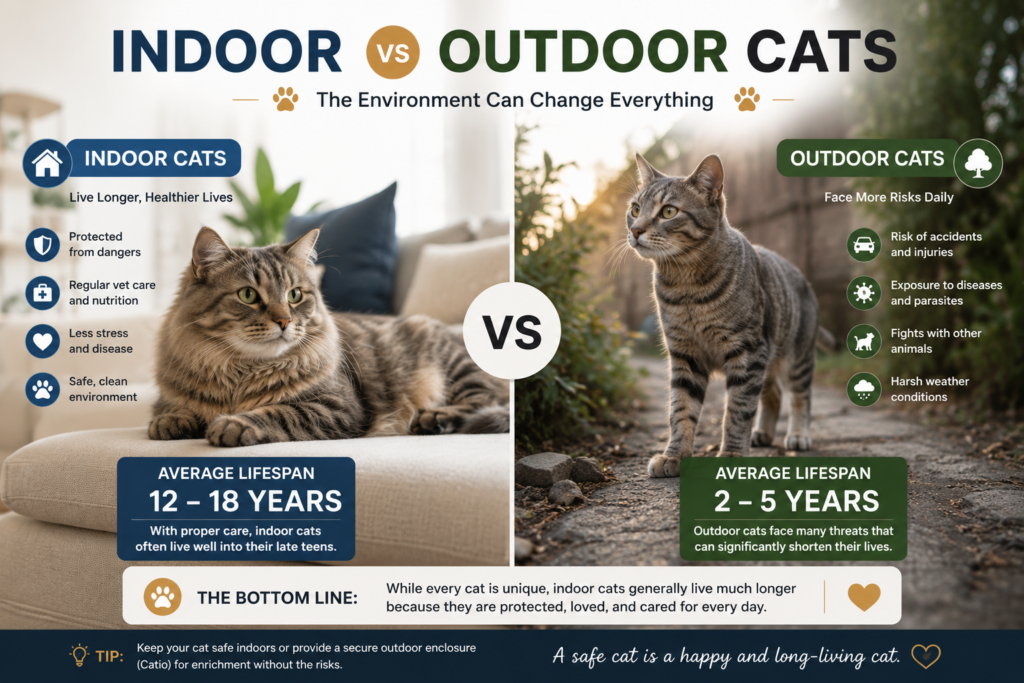
The environment a cat lives in profoundly affects how long cats live. Generally, indoor cat lifespan is considerably longer than that of outdoor cats. Outdoor cats face numerous dangers, including traffic accidents, encounters with predators, exposure to infectious diseases from other animals, and environmental hazards like poisons. The average outdoor cat lifespan is often cited as 2-5 years, a stark contrast to the 12-18+ years for indoor cats. Keeping cats indoors significantly mitigates these risks.
Environmental Enrichment and Stress: Extending a Cat’s Years
A stimulating and low-stress environment contributes significantly to a cat’s overall well-being and, consequently, its lifespan. Cats thrive on routine and can be sensitive to changes. Providing adequate cat environmental enrichment, such as scratching posts, climbing structures, interactive toys, and safe resting spots, helps prevent boredom and promotes physical activity. Reducing stress through a stable home environment and positive interactions can also bolster a cat’s immune system and mental health, positively influencing how long cats live.
Adding a cat tree or climbing tower can provide much-needed vertical space and exercise opportunities.
If you are bringing a new cat into your home, knowing how to introduce cats successfully is also key to maintaining a peaceful and low-stress environment.
Recognizing and Managing Senior Cat Health
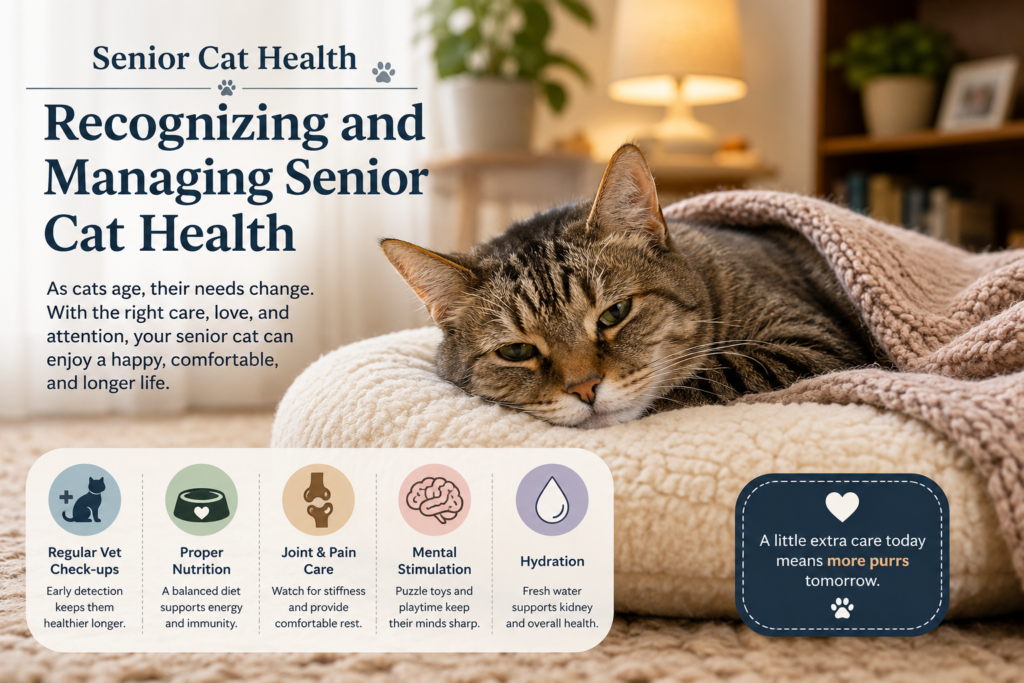
As cats age, their needs change, and understanding senior cat health becomes increasingly important. While the exact age a cat becomes ‘senior’ can vary, generally, cats are considered senior around 11-14 years old. Recognizing the signs of aging and adapting care can significantly improve their quality of life and potentially extend their remaining years.
Common Health Challenges in Older Felines
Older cats are more susceptible to certain health conditions that can impact how long they live. Common challenges include arthritis, which causes joint pain and stiffness that can reduce mobility, and kidney disease, a frequent ailment often requiring specific dietary changes and medication. Dental issues, particularly periodontal disease, are also prevalent and can lead to significant pain, infection, and systemic health problems if left unaddressed. Furthermore, seniors may develop hyperthyroidism, where an overactive thyroid gland causes weight loss despite an increased appetite, or diabetes, which is frequently linked to obesity and necessitates careful insulin management. Some cats may also experience cognitive dysfunction, a condition similar to dementia in humans that affects their memory and daily behavior.
Early detection and management of these senior cat diseases are crucial for maintaining comfort and extending life.
Supporting Your Aging Cat’s Quality of Life
Caring for an aging cat involves making adjustments to their environment and routine. This includes providing easily accessible food and water bowls, comfortable orthopedic beds, and ramps or steps to help them reach favorite elevated spots. Dietary adjustments, often prescribed by a veterinarian, can support kidney function or manage other conditions. Regular, gentle exercise and consistent veterinary check-ups focused on age-related conditions, including pain management, are vital for improving elderly cat life and ensuring their comfort.
To further assist with comfort, consider providing an orthopedic cat bed designed to soothe aging joints.
Expert Strategies to Help Your Cat Live Longer
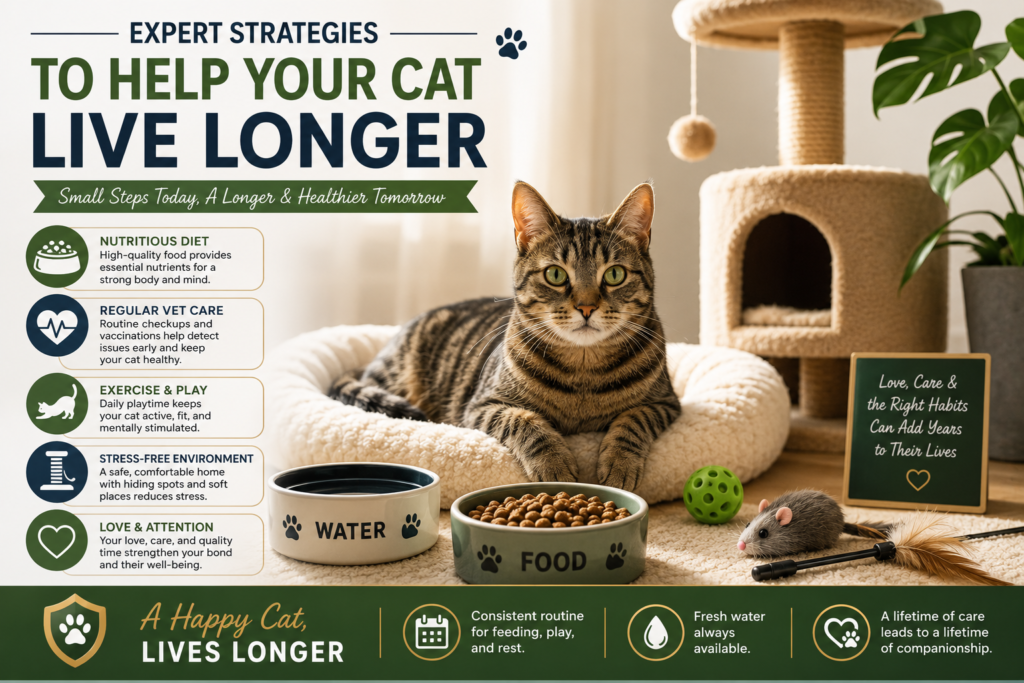
For owners wondering how to make cats live longer, a proactive approach to care is key. Implementing specific strategies can significantly enhance your cat’s health and increase their chances of a long and happy life.
Optimal Diet and Hydration for a Long-Lived Cat
Providing the best diet for cat longevity means focusing on high-quality, animal-based protein. Many veterinarians recommend wet food over dry kibble, as it provides essential moisture, which is beneficial for kidney health. Portion control is vital to prevent obesity. Always ensure your cat has access to fresh, clean water, perhaps even considering a pet drinking fountain to encourage hydration. Avoid feeding human foods that are toxic or unhealthy for cats.
Regular Vet Visits and Preventive Care for Extended Lifespan
Consistent preventive cat care, including annual or bi-annual veterinary check-ups, is fundamental. These visits allow for vaccinations, parasite control, and early detection of diseases. Dental care, such as professional cleanings and at-home brushing, is also crucial, as poor oral health can lead to systemic infections. Early disease screening through blood tests and urinalysis can catch issues before they become severe, directly contributing to an extended cat lifespan.
Promoting Physical Activity and Mental Stimulation
Keeping your cat physically active and mentally engaged is essential for preventing obesity and cognitive decline. Provide interactive toys, puzzle feeders, climbing trees, and regular playtime sessions. These activities help maintain a healthy weight, strengthen muscles, and keep their minds sharp. A stimulated cat is generally a happier and healthier cat, which contributes to cat longevity.
Using an interactive toy or puzzle feeder can engage their natural hunting instincts and keep them active indoors.
The Benefits of Spaying and Neutering on Cat Lifespan
Spaying or neutering your cat can significantly increase how long cats live. For females, spaying eliminates the risk of uterine infections (pyometra) and greatly reduces the chance of mammary tumors. For males, neutering prevents testicular cancer and some prostate problems. Both procedures also reduce behavioral issues like roaming, fighting, and spraying, which can lead to injuries or exposure to diseases, thereby contributing to a longer, safer life for your feline.
Frequently Asked Questions About How Long Cats Live
Here are answers to some common queries regarding cat lifespan questions and feline longevity.
What is the oldest cat ever recorded?
The Guinness World Record for the oldest cat ever recorded belongs to Creme Puff, who lived to an astonishing 38 years and 3 days. Born on August 3, 1967, and passing away on August 6, 2005, Creme Puff resided in Austin, Texas, with her owner Jake Perry. This remarkable case highlights the potential for extreme feline longevity under exceptional care.
Do male or female cats typically live longer?
Generally, female cats tend to live slightly longer than male cats, particularly if both are spayed or neutered. This difference is often attributed to behavioral factors; unneutered male cats are more prone to roaming, fighting, and injuries, which can shorten their lives. However, with proper care and indoor living, the difference in male vs female cat lifespan can be minimal.
How does a cat’s size influence its lifespan?
Unlike some dog breeds where larger size can correlate with a shorter lifespan, there isn’t a strong, consistent correlation between a cat’s size and cat lifespan. For example, large breeds like the Maine Coon have a typical lifespan comparable to many smaller breeds. The primary influences on large cat breed longevity or small cat breed longevity remain genetics, diet, and overall care, rather than size alone.
Conclusion: Maximizing How Long Your Cat Can Live
The question of how long do cats live has many answers, but one truth remains constant: the quality of care provided by their human companions is paramount. While genetics and breed play a role, proactive measures such as a high-quality diet, consistent veterinary care, a safe and stimulating environment, and the benefits of spaying or neutering significantly contribute to a cat’s healthy and long life. By understanding these factors and committing to optimal care, you can maximize your cat’s potential for a long and joyful companionship, enriching both your lives for many years to come.
