




The Essential Guide to Choosing the Perfect Cat Toy Toy for Feline Well-being
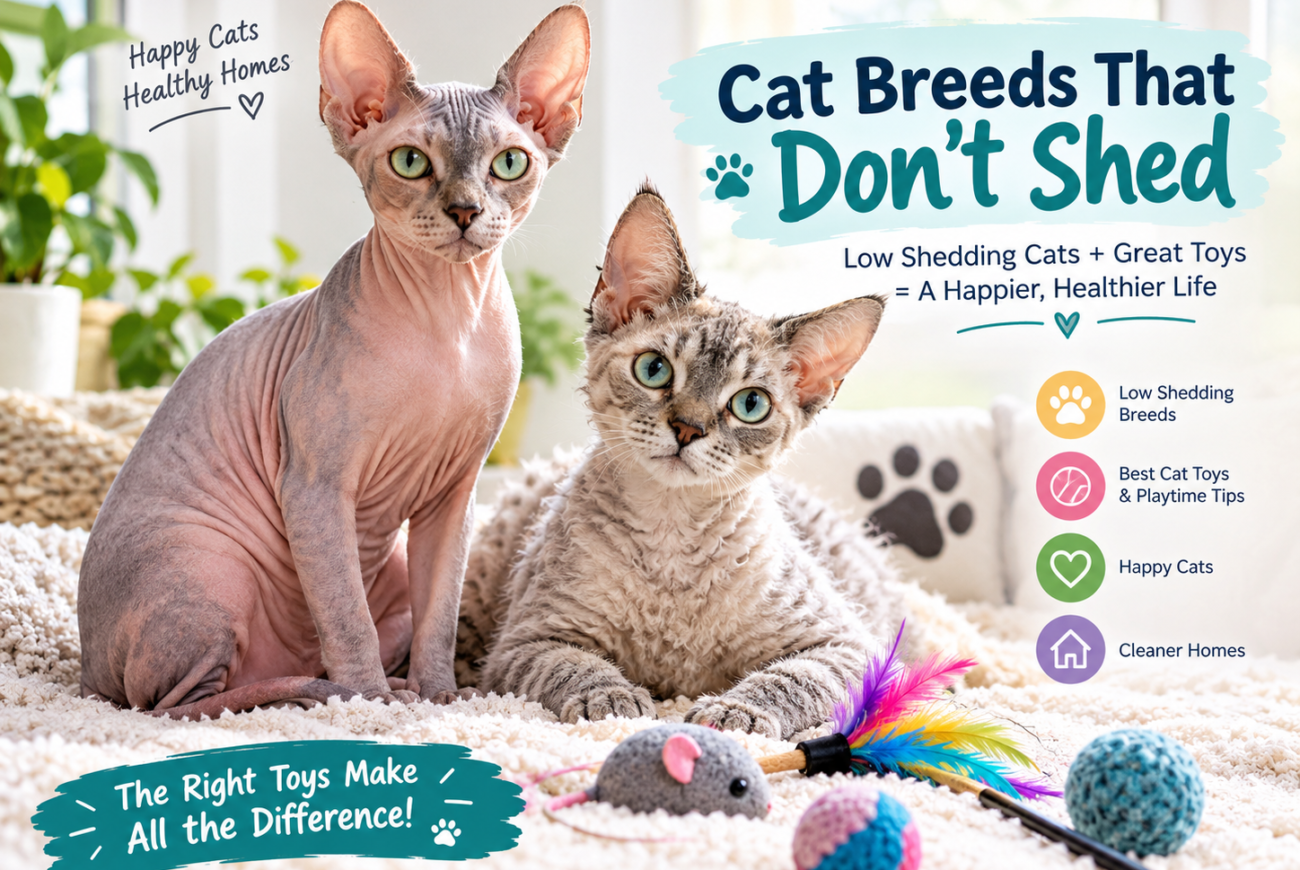
Cat breeds that dont shed are a popular choice for cat lovers who want to reduce loose hair in their homes. Although no cat is completely hypoallergenic, some breeds shed less hair than others. Choosing the right cat breed and providing a quality cat toy can help keep your feline companion active, healthy, and happy. However, choosing the right breed is only one part of responsible cat ownership. Every cat also needs a good cat toy to satisfy its natural hunting instincts, encourage physical exercise, and provide mental stimulation. In this guide, we will explore cat breeds that dont shed and explain how to choose the best cat toys to keep your feline friend happy, active, and healthy.
Why Cat Breeds That Dont Shed Still Need Quality Toys
Even cat breeds that dont shed are natural predators with strong instincts to stalk, chase, and pounce. A well-selected cat toy provides a safe outlet for these behaviors, ensuring your low-shedding companion stays active, healthy, and mentally stimulated.
Physical Exercise and Mental Stimulation from a Cat Toy
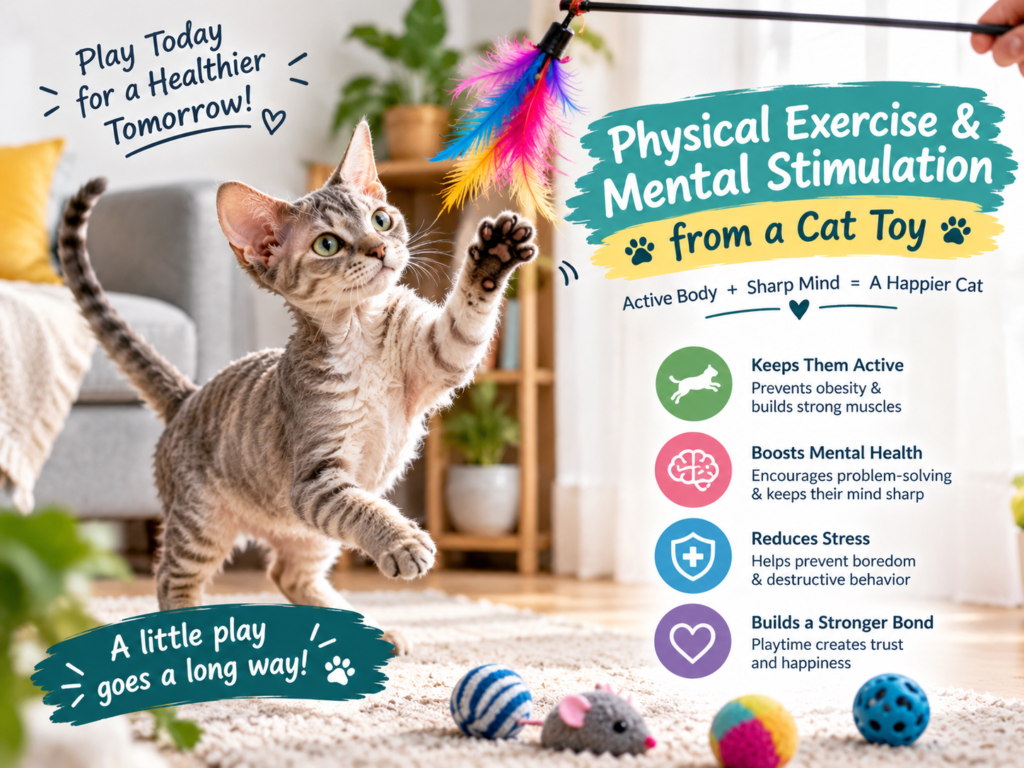
Consistent physical activity is vital for maintaining a healthy weight and strong muscles in cats. An engaging cat toy encourages movement, helping to prevent obesity and related health issues like diabetes and joint problems. Toys that mimic prey, such as wand toys or laser pointers, prompt cats to run, jump, and stretch, providing a full-body workout. Simultaneously, these interactions offer significant mental stimulation. Cats must strategize, anticipate movements, and solve simple puzzles, keeping their minds sharp and preventing cognitive decline, especially in older felines.
Preventing Boredom and Destructive Behavior with the Right Cat Toy
A bored cat is often a mischievous cat. Without adequate stimulation, cats may resort to destructive behaviors like scratching furniture, over-grooming, or excessive vocalization. The right cat toy can redirect this energy into appropriate play. By providing engaging alternatives, owners can satisfy their cat’s need for activity and exploration, thereby reducing the likelihood of unwanted actions. This proactive approach benefits both the cat and the household environment.
Types of Cat Toys: Finding the Perfect Match for Your Companion
Woman playing with a curly-coated cat using a feather wand toy in a cozy living room Copy Alt TextWoman playing with a curly-coated cat using a feather wand toy in a cozy living room Copy Alt Text
The market offers an extensive array of cat toy options, each designed to appeal to different aspects of feline behavior. Understanding these categories helps in selecting toys that best suit your cat’s preferences and play style.
Interactive Cat Toys: Engaging Play Together
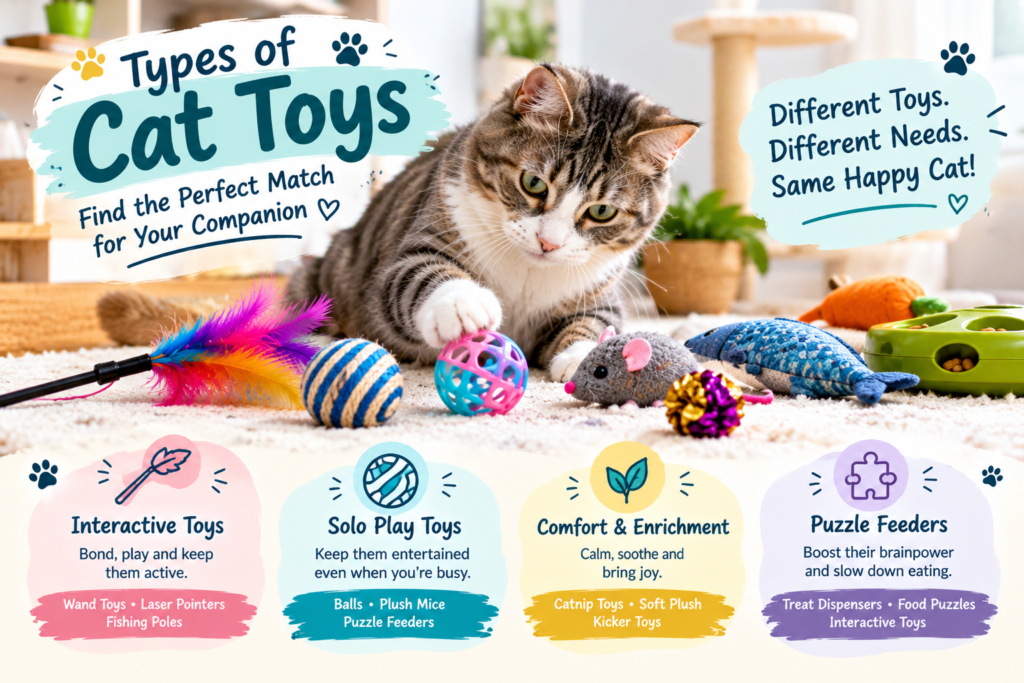
Interactive toys are designed for shared playtime between a cat and its owner. These include wand toys with feathers or ribbons, laser pointers, and fishing pole-style toys. Such toys are excellent for bonding, as they foster a sense of shared activity and trust. They allow owners to control the play, mimicking unpredictable prey movements that captivate a cat’s attention. This type of play is particularly effective for encouraging shy cats to engage and for providing high-intensity exercise bursts.
Solo Play Cat Toys: Keeping Them Busy Independently
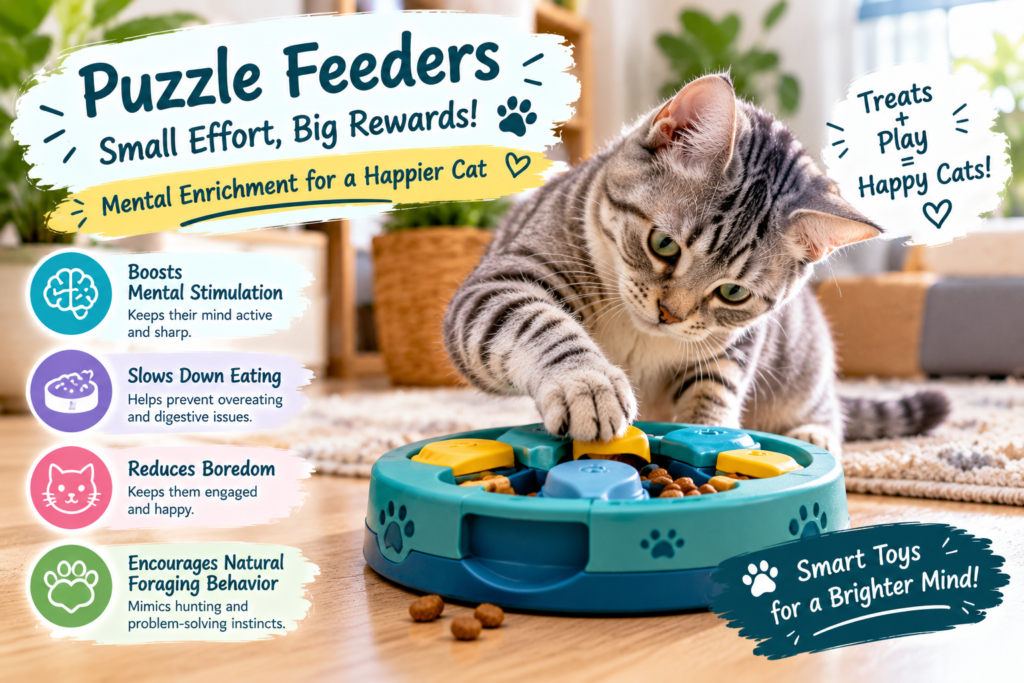
While interactive play is important, cats also need toys they can enjoy on their own. Solo play cat toy options include lightweight balls (especially those with bells or crinkle sounds), plush mice, and puzzle feeders. These toys are ideal for keeping cats entertained when owners are busy or away. Puzzle feeders, for instance, dispense treats as the cat manipulates them, combining mental challenge with a reward. This encourages natural foraging behaviors and prevents rapid eating.
Comfort and Enrichment Cat Toys: Beyond Just Play
Some toys serve purposes beyond active play, offering comfort or sensory enrichment. Catnip-filled toys, for example, can induce euphoria or relaxation in many cats, providing a unique sensory experience. Soft plush toys can become comfort objects, especially for cats who enjoy carrying them around or ‘nursing’ them. Kicker toys, often cylindrical and filled with catnip, allow cats to engage in a full-body ‘bunny kick’ attack, satisfying their instinct to grapple with prey. Just like vocalizations like why do cats purr, comfort toys help felines self-soothe and express contentment.
Choosing the Best Cat Toy: Factors to Consider
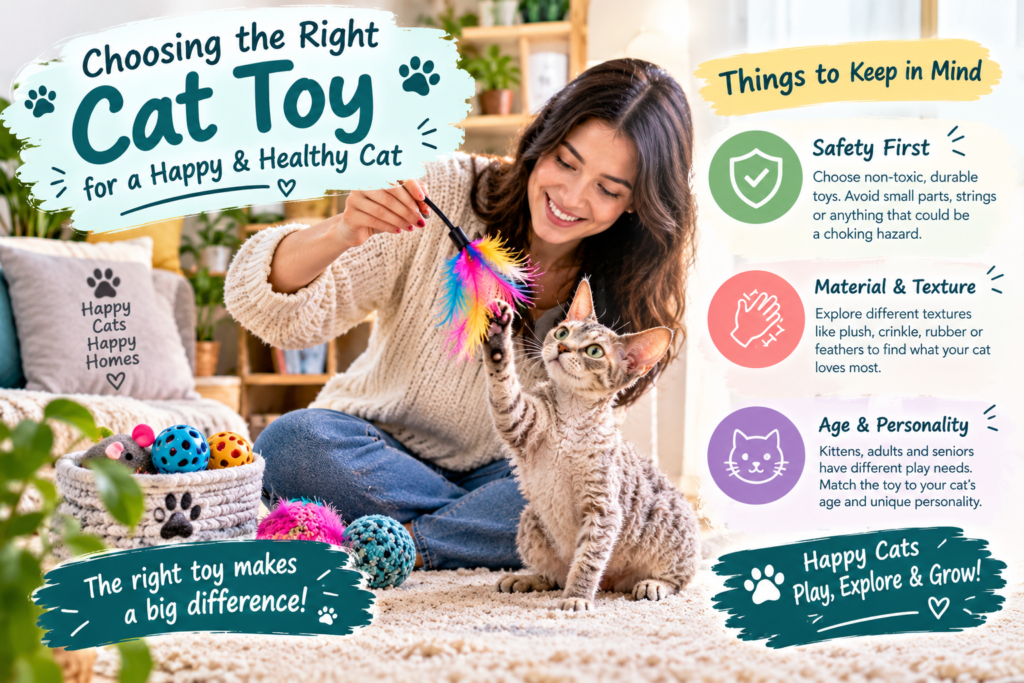
Selecting the right cat toy involves more than just picking the cutest option. Thoughtful consideration of several factors ensures the toy is safe, appropriate, and genuinely enjoyable for your cat.
Safety and Durability of Your Chosen Cat Toy
Safety should always be the top priority. Ensure any cat toy is made from non-toxic materials. Avoid toys with small, easily detachable parts that could be swallowed, such as bells, beads, or loose feathers. Strings, ribbons, and elastic bands can pose a choking hazard or cause intestinal blockages if ingested. Opt for durable construction that can withstand vigorous play without falling apart. Regularly inspect toys for wear and tear, discarding damaged items promptly.
Material and Texture Preferences for a Cat Toy
Cats have individual preferences when it comes to textures. Some cats adore the crinkly sound of Mylar balls, while others prefer the soft feel of faux fur or the natural texture of feathers. Experiment with different materials—plastic, rubber, fabric, natural fibers—to discover what your cat finds most appealing. A variety of textures can keep playtime interesting and cater to different sensory needs.
Matching the Cat Toy to Your Cat’s Age and Personality
A cat’s age and personality significantly influence their play needs. Kittens often prefer small, lightweight toys they can easily bat and chase. Adult cats might enjoy a wider range, from interactive wand toys to challenging puzzle feeders. Senior cats may benefit from gentler play, such as slow-moving laser pointers or soft, easy-to-handle plush toys. Observe your cat’s personality: is your cat a high-energy hunter, a curious explorer, or a more laid-back companion? Tailor your cat toy selection accordingly.
Top Picks for Your Feline Friend: A Cat Toy Comparison
To help you navigate the vast selection, here’s a comparison of popular cat toy types:
| Toy Type | Best For | Pros | Cons | Typical Price Range |
| Wand Toy | Interactive play, exercise | Great for bonding, mimics prey | Requires owner participation, can break | $10 – $20 |
| Puzzle Feeder | Mental stimulation, slow feeding | Reduces boredom, promotes natural foraging | Can be messy, some cats lose interest | $15 – $35 |
| Catnip Toy | Relaxation, excitement | Stimulates senses, provides comfort | Effect varies by cat, can be short-lived | $5 – $15 |
| Crinkle Ball | Solo play, auditory stimulation | Lightweight, easy to bat around, enticing sound | Can be lost easily, not very durable | $3 – $10 |
Maximizing Playtime with Your Cat Toy
Having the right toys is only half the battle; knowing how to use them effectively ensures your cat gets the most out of playtime.
Playtime Tips for Cat Breeds That Dont Shed
Cats can quickly lose interest in toys that are always available. To maintain novelty and excitement, implement a toy rotation system. Keep a selection of 3-4 toys out at a time, and swap them for a different set every few days or once a week. Storing unused toys in a sealed container can also help preserve their scent and appeal, making them feel ‘new’ when reintroduced. This strategy keeps your cat engaged and prevents boredom with any single cat toy.
Supervised Play for Safety with Every Cat Toy
Even with durable toys, supervision is key, especially with items that have strings, ribbons, or small parts. Always supervise your cat during play sessions, particularly with wand toys or laser pointers, to prevent accidental ingestion or injury. After playtime, put away any potentially hazardous toys to ensure your cat’s safety when you’re not around. This simple practice significantly reduces risks associated with certain types of cat toy.
Frequently Asked Questions About Cat Toys
Owners often have questions about how to best manage their cat’s toy collection and play habits.
How often should I replace a cat toy?
The replacement frequency for a cat toy depends on its durability and your cat’s play style. Inspect toys regularly for signs of wear, such as fraying, loose parts, or tears. If a toy becomes damaged, it should be replaced immediately to prevent your cat from ingesting pieces. For hygiene, soft toys can be washed periodically, but if they become excessively soiled or cannot be cleaned, replacement is advisable. Even undamaged toys might need replacing if your cat completely loses interest, though rotation can often revive interest.
Which cat breeds that dont shed are best for families?
Breeds like the Sphinx, Devon Rex, and Cornish Rex are excellent choices for families seeking cat breeds that dont shed. Their social, energetic natures make them great companions when provided with appropriate toys and regular play sessions.
What if my cat doesn’t play with any cat toy?
If your cat shows little interest in toys, don’t despair. Start by experimenting with different types of cat toy options—some cats prefer feathers, others crinkly balls, and some are only motivated by food puzzles. Try introducing catnip or silvervine to toys, as these natural attractants can stimulate play in many felines. Also, consider the timing and environment of play. Short, frequent play sessions in a quiet, distraction-free area can be more effective. Sometimes, a cat’s lack of interest stems from feeling unwell, so a vet check-up might be warranted if disinterest is sudden or prolonged.
Conclusion: The Right Cat Toy for a Happy, Healthy Feline
The thoughtful selection and strategic use of a cat toy are integral to fostering a happy, healthy, and well-adjusted feline companion. From satisfying primal hunting instincts to providing essential physical exercise and mental stimulation, toys play a multifaceted role in a cat’s life. By prioritizing safety, understanding your cat’s unique preferences, and rotating their toy collection, you can ensure their playtime remains engaging and beneficial. Investing in the right cat toy is an investment in your cat’s overall well-being, leading to a more enriched and joyful life for your beloved pet.
