


Exploring the Diverse Types of Dogs: A Comprehensive Guide
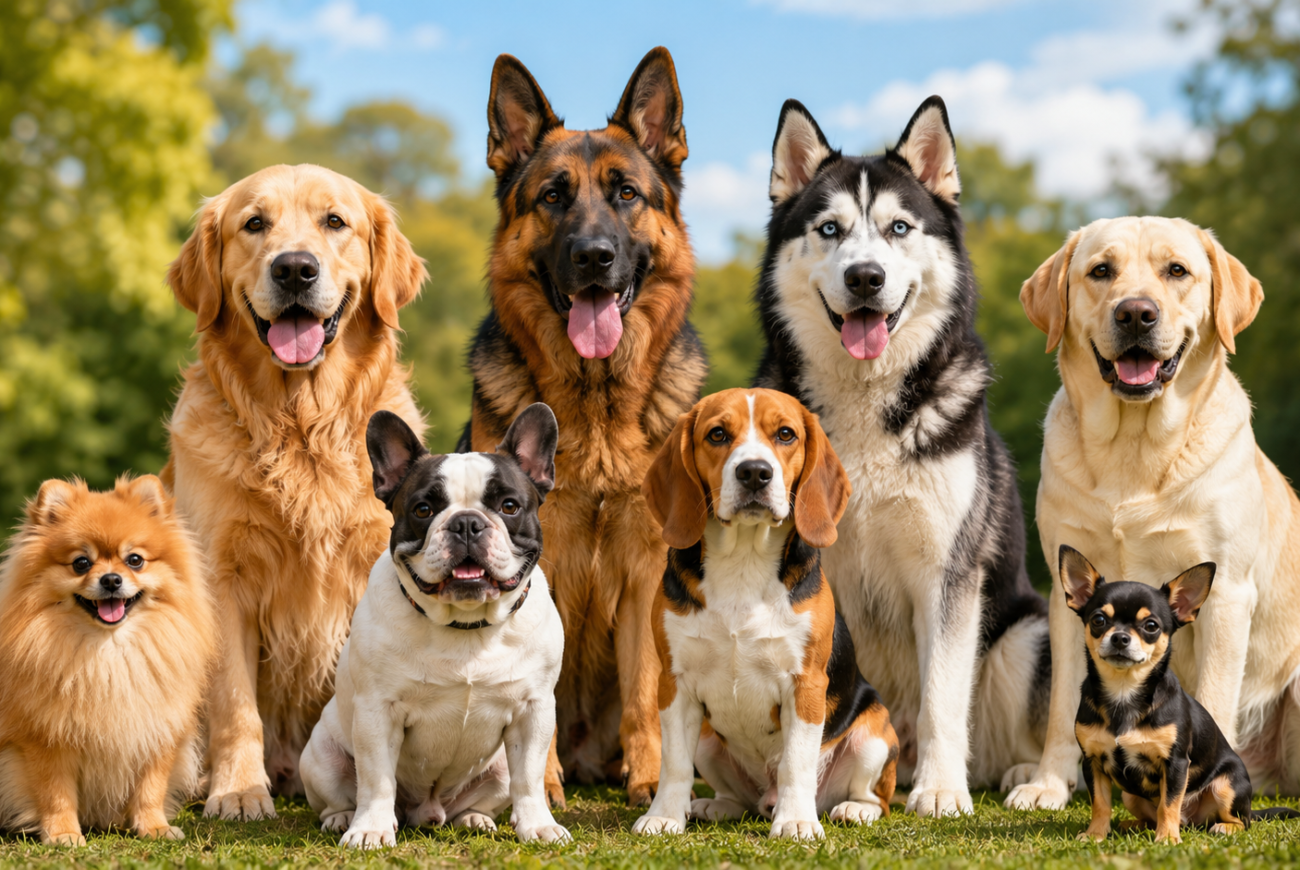
The canine world presents an astonishing array of diversity, with each breed offering a unique combination of traits, temperaments, and historical purposes. Understanding the various types of dogs is crucial for anyone considering bringing a companion into their home, or simply for enthusiasts seeking to deepen their knowledge. From the smallest lapdogs to the most formidable guardians, the differences among types of dogs are profound, influencing everything from their exercise needs to their grooming requirements and suitability for different lifestyles.
Understanding the Classification of Dog Breeds
Dog breeds are not merely random collections of animals; they are the result of centuries of selective breeding for specific traits and functions. This systematic approach allows for a clearer understanding of the inherent characteristics associated with different types of dogs. Breed standards, established by kennel clubs, define the ideal characteristics of each breed, encompassing physical appearance, temperament, and working ability.
Major Breed Groups: A Global Perspective
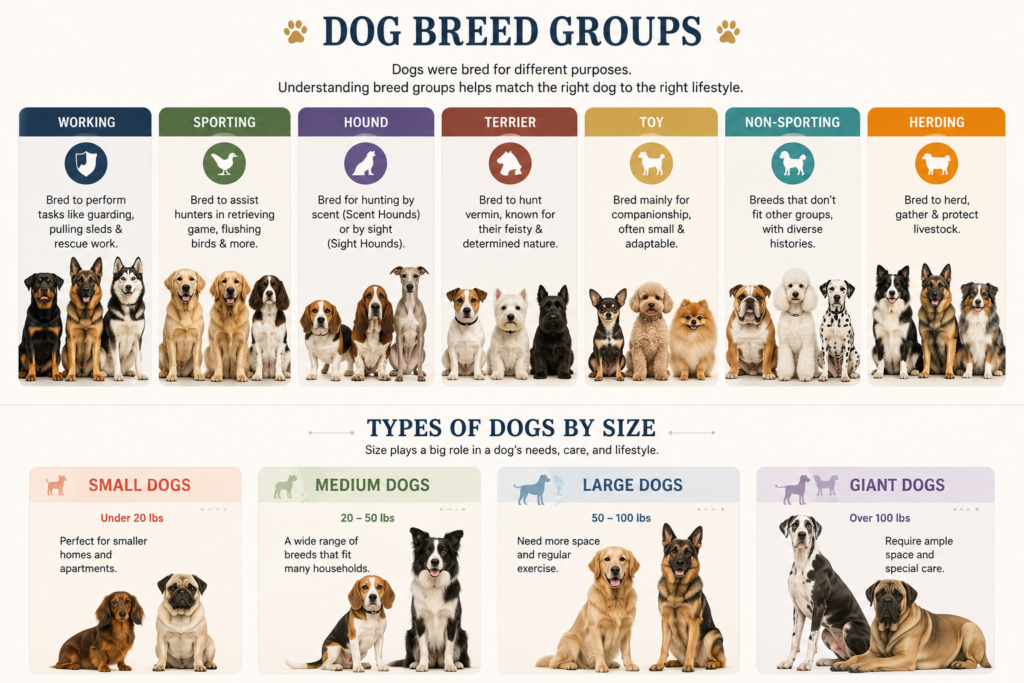
Organizations like the American Kennel Club (AKC) and the Fédération Cynologique Internationale (FCI) categorize types of dogs into groups based on their original purpose. This classification helps prospective owners identify breeds with similar historical roles and, often, similar temperaments and needs.
- Working Group: Breeds developed to perform tasks such as guarding property, pulling sleds, or performing water rescues. Examples include the Siberian Husky, Rottweiler, and Doberman Pinscher.
- Sporting Group: Dogs bred to assist hunters in retrieving game, flushing birds, or pointing to prey. This group includes the Labrador Retriever, Golden Retriever, and English Springer Spaniel.
- Hound Group: Characterized by their hunting prowess, these dogs are further divided into Scent Hounds (e.g., Beagle, Basset Hound) and Sight Hounds (e.g., Greyhound, Afghan Hound).
- Terrier Group: Originally bred to hunt vermin, these dogs are known for their feisty and determined personalities. Examples include the Jack Russell Terrier and Scottish Terrier.
- Toy Group: Primarily bred for companionship, these small types of dogs are often adaptable to various living situations. Chihuahuas, Poodles (Toy), and Pomeranians are common examples.
- Non-Sporting Group: A diverse collection of breeds that don’t fit neatly into other categories, often with varied histories and appearances. This group includes the Bulldog, Poodle (Standard), and Dalmatian.
- Herding Group: Dogs developed to gather, herd, and protect livestock. Border Collies, German Shepherds, and Australian Shepherds exemplify this group.
Categorizing Types of Dogs by Size
Beyond breed groups, classifying types of dogs by size offers practical insights into their living requirements and care. Size significantly impacts factors such as exercise needs, dietary intake, and even lifespan.
- Small Dogs: Generally weighing under 20 pounds, these dogs often thrive in smaller living spaces. Examples include the Dachshund and Pug.
- Medium Dogs: Ranging from 20 to 50 pounds, this category offers a wide variety of breeds suitable for many households. The Beagle and Border Collie fit here.
- Large Dogs: Typically weighing between 50 and 100 pounds, these breeds require more space and often more robust exercise. German Shepherds and Golden Retrievers are large dogs.
- Giant Dogs: Exceeding 100 pounds, these majestic breeds demand ample space and specialized care due to their size. Great Danes and Mastiffs are prominent examples.
Coat Types and Grooming Needs Across Different Dog Breeds
The coat of a dog is more than just aesthetics; it serves a functional purpose and dictates grooming requirements. Different types of dogs possess various coat types, each with unique implications for shedding, climate suitability, and maintenance.
- Short Coats: Low maintenance, but offer less protection from cold (e.g., Boxer, Greyhound).
- Long Coats: Require regular brushing to prevent mats (e.g., Afghan Hound, Shih Tzu).
- Wirehaired Coats: Often require hand-stripping to maintain texture (e.g., Terrier breeds).
- Curly Coats: Hypoallergenic qualities, but need frequent grooming to prevent matting (e.g., Poodle, Portuguese Water Dog).
- Double Coats: Provide insulation, but shed heavily seasonally (e.g., Siberian Husky, German Shepherd).
- Hairless Coats: Require skin protection from sun and cold (e.g., Chinese Crested, Xoloitzcuintli).
Exploring Diverse Types of Dogs by Function and Temperament
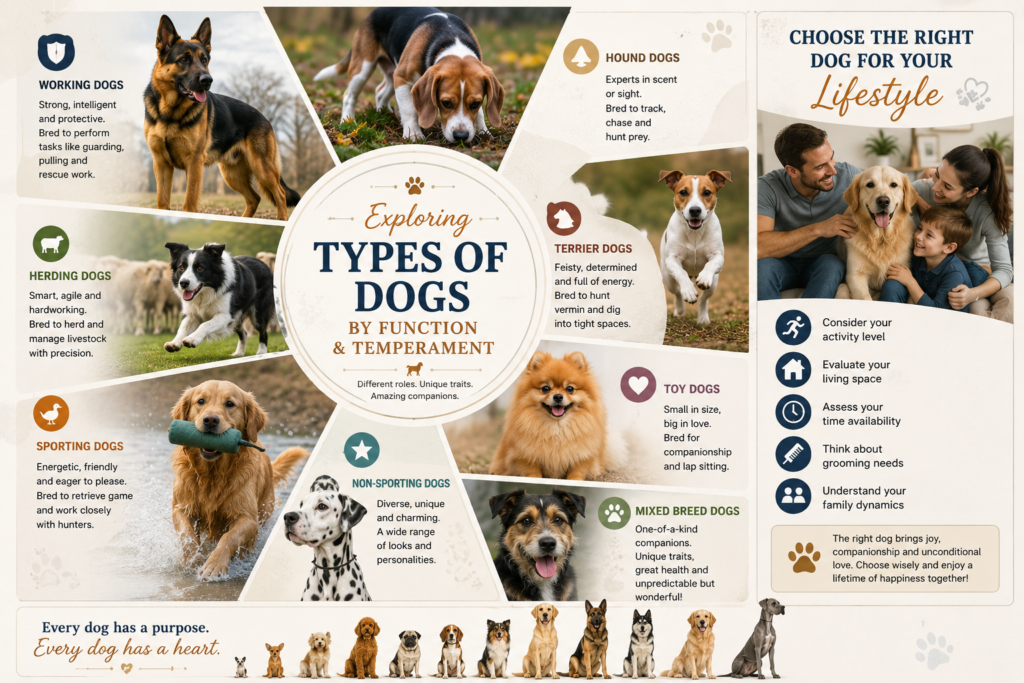
Delving deeper into specific categories reveals how historical roles have shaped the typical temperaments and characteristics of various types of dogs.
Working Dog Breeds: Strength and Purpose
Working dogs were bred for strength, intelligence, and a strong drive to perform tasks. These types of dogs often possess protective instincts and require significant mental and physical stimulation to thrive. Without proper outlets, their energy and intelligence can lead to destructive behaviors. Siberian Huskies, Rottweilers, and Doberman Pinschers are prime examples, excelling in roles from sled pulling to guarding.
Herding Dog Breeds: Instinct and Agility
Known for their innate ability to control the movement of other animals, herding dogs are highly intelligent, energetic, and possess a strong work ethic. These types of dogs often excel in dog sports like agility and obedience. Border Collies, German Shepherds, and Australian Shepherds are renowned for their keen intelligence and boundless energy, making them excellent companions for active individuals or families.
Sporting Dog Breeds: Energetic Companions
Sporting dogs were developed to work closely with hunters, retrieving game from land and water. These types of dogs are typically athletic, trainable, and possess a friendly, outgoing nature. Their high energy levels mean they require regular exercise and mental engagement. Labrador Retrievers, Golden Retrievers, and English Springer Spaniels are popular choices, known for their loyalty and eagerness to please.
Hound Dog Breeds: Scent and Sight Specialists
The hound dogs group is diverse, encompassing breeds that hunt by scent or by sight. Scent hounds, such as Beagles and Basset Hounds, are characterized by their incredible sense of smell and often a persistent, vocal nature. Sight hounds, including Greyhounds and Afghan Hounds, rely on their speed and keen vision to pursue prey. Both types of dogs require specific exercise routines tailored to their hunting instincts.
Terrier Dog Breeds: Feisty and Determined
Originally bred to hunt vermin, terrier dogs are known for their energetic, tenacious, and often independent personalities. These types of dogs can be spirited and require consistent training and socialization. Jack Russell Terriers, Scottish Terriers, and Bull Terriers exemplify the group’s characteristic courage and determination.
Toy Dog Breeds: Affectionate Companions
Toy dogs were primarily bred for companionship, making them ideal lapdogs and adaptable pets for various living situations. Despite their small stature, these types of dogs often have big personalities. Chihuahuas, Poodles (Toy), and Pomeranians are beloved for their affectionate nature and portability, though they still require training and exercise.
Non-Sporting Dog Breeds: Diverse and Unique
The non-sporting dogs group is a fascinating collection of breeds that do not fit into the other functional categories. This group showcases a wide range of appearances, sizes, and temperaments. Bulldogs, Poodles (Standard), and Dalmatians are examples of these diverse types of dogs, each with unique histories and characteristics.
Mixed Breed Dogs: Unique Combinations of Traits
Beyond purebreds, mixed breed dogs represent a significant portion of the canine population. These types of dogs are often celebrated for their unique combinations of traits, genetic diversity, and robust health, sometimes referred to as ‘hybrid vigor.’ Adopting a mixed breed can offer a wonderful companion with an often unpredictable but always individual personality.
Selecting the Ideal Type of Dog for Your Lifestyle

Choosing among the many types of dogs requires careful consideration of your lifestyle, living situation, and commitment level. Factors such as your activity level, available living space, willingness to commit to grooming, family dynamics, and time availability should guide your decision. Responsible pet ownership begins with selecting a dog whose needs align with what you can realistically provide. Researching specific breed characteristics, visiting shelters, and speaking with breeders or rescue organizations can help you make an informed choice.
Frequently Asked Questions About Types of Dogs
Here are answers to common questions regarding different types of dogs:
- What are the most popular types of dogs? Popularity can vary by region and year, but breeds like the Labrador Retriever, French Bulldog, and Golden Retriever consistently rank high due to their adaptable temperaments and friendly dispositions.
- Which types of dogs are good for families? Many breeds are excellent with families, often those known for patience and a gentle nature. Golden Retrievers, Beagles, and Poodles are frequently recommended.
- What types of dogs are low-shedding? Breeds with hair instead of fur, or those with specific coat types, tend to shed less. Examples include Poodles, Portuguese Water Dogs, and Bichon Frise.
- How do I research different types of dogs? Utilize reputable sources such as national kennel club websites (e.g., AKC, KC), breed-specific rescue organizations, and veterinary resources. Speaking with experienced owners and trainers also provides valuable insight.
Conclusion: Embracing the Rich Diversity of Canine Companions
The world of dogs is rich with variety, offering an incredible spectrum of companions, each with their own charm and requirements. From the ancient working breeds to the modern companion types of dogs, their unique contributions enrich human lives in countless ways. Making an informed decision when selecting a dog ensures a harmonious relationship and a fulfilling life for both pet and owner. Understanding the diverse types of dogs is the first step toward finding your perfect canine partner.
