





Understanding Feline Lifespans: How Long Do Cats Live?
A common question among cat owners and enthusiasts is, how long do cats live? The lifespan of a domestic cat can vary significantly, influenced by a multitude of factors ranging from genetics to daily care. While the average feline companion enjoys a life of 12 to 18 years, some cats surpass this, living well into their twenties. This article explores the key elements that contribute to a cat’s longevity, offering insights from an expert perspective on feline health and care.
The Average Lifespan of a Domestic Cat
The typical cat’s lifespan for a domestic feline generally falls within a range of 12 to 18 years. However, this average masks considerable variation. Indoor cats, for instance, tend to live longer than their outdoor counterparts, often reaching 15 to 20 years or more. This extended lifespan is primarily due to reduced exposure to environmental hazards, diseases, and trauma. Outdoor cats, conversely, face risks such as traffic accidents, encounters with predators, and infectious diseases, which can significantly shorten their lives, often to an average of 2 to 5 years. Understanding these distinctions is crucial when considering how long do cats live in different environments.For more interesting information about cats, explore our guide to fascinating facts about cats.
Key Factors Influencing How Long Cats Live

Several primary elements dictate a cat’s longevity. These factors interact to shape an individual cat’s health trajectory and ultimately determine how long cats live. A comprehensive approach to feline care, addressing each of these areas, can significantly contribute to a longer, healthier life for your pet.
Nutrition and Diet: Fueling Longevity
A balanced, high-quality diet is fundamental to a cat’s overall health and directly impacts their lifespan. Appropriate caloric intake prevents obesity, a condition linked to numerous health problems like diabetes and joint issues. Essential nutrients, including specific amino acids like taurine, vitamins, and minerals, are vital for proper organ function and immune system strength. Furthermore, age-appropriate food formulations cater to the changing nutritional needs of kittens, adult cats, and seniors. Avoiding harmful foods, such as certain human foods toxic to cats, is equally important. For more detailed information on optimal feeding practices, consider exploring resources on Best Cat Food for Longevity.
Veterinary Care: Preventive Measures and Early Detection
Consistent veterinary care is paramount for extending a cat’s life. Regular check-ups allow veterinarians to monitor health, detect potential issues early, and provide preventive treatments. Vaccinations protect against common and often fatal diseases, while parasite control for fleas, ticks, and worms prevents infestations that can lead to serious health complications. Dental care, often overlooked, is critical; poor oral hygiene can result in painful infections that spread to other organs. Routine screenings, especially for older cats, can identify conditions like kidney disease or hyperthyroidism before they become advanced. The American Veterinary Medical Association (AVMA) offers valuable insights into preventive pet care.
Environment: Indoor vs. Outdoor Living
The environment in which a cat lives profoundly affects how long do cats live. As mentioned, indoor cats generally have a longer indoor cat lifespan due to protection from external threats. Outdoor cats face dangers such as traffic, fights with other animals, exposure to poisons, and a higher risk of contracting infectious diseases. However, an indoor environment must be enriching to prevent boredom, stress, and obesity. Providing climbing structures, a sturdy scratching post such as the SmartCat Ultimate Scratching Post, interactive toys, and safe access to windows can enhance an indoor cat’s quality of life.For outdoor cats, supervised outings or a secure catio can offer stimulation while minimizing risks.
Genetics and Breed: Natural Predispositions
Genetics play a significant role in a cat’s overall health and vitality, influencing how long do specific cat breeds live. Some breeds are predisposed to certain health conditions; for example, Maine Coons can be prone to hypertrophic cardiomyopathy, while Persians may experience polycystic kidney disease. Conversely, some breeds are known for their robust health and naturally longer lifespans. While genetics are beyond an owner’s control, awareness of breed-specific predispositions allows for proactive screening and management, potentially mitigating their impact on a cat’s lifespan.
Breed-Specific Lifespans: A Detailed Comparison

While general averages provide a baseline for how long do cats live, specific breeds often have their own typical lifespan ranges. These are averages, and individual cats can certainly exceed or fall short of these estimates based on their unique care and circumstances.
Table: Average Lifespan by Cat Breed
| Cat Breed | Average Lifespan (Years) |
|---|---|
| Siamese | 12-20 |
| Maine Coon | 10-15 |
| Persian | 12-17 |
| Sphynx | 10-15 |
| Ragdoll | 12-17 |
| British Shorthair | 12-20 |
| Abyssinian | 10-15 |
| Domestic Shorthair | 12-18 |
| Domestic Longhair | 12-18 |
Practical Steps to Extend Your Cat’s Life
Owners can take several actionable steps to maximize their pet’s lifespan and ensure a long, healthy life. These practices directly address the factors influencing how long do cats live.
- Optimal Nutrition: Provide a high-quality, balanced diet appropriate for your cat’s age, activity level, and health status.
- Regular Exercise: Encourage daily play and physical activity to maintain a healthy weight and muscle tone.
- Mental Stimulation: Offer puzzle toys, interactive play, and environmental enrichment to keep your cat mentally engaged and prevent boredom. For example, the Catit Senses 2.0 Digger for Cats can make mealtimes more interactive by encouraging cats to paw out small portions of food.
- Stress Reduction: Create a calm and predictable environment. Minimize sudden changes and provide safe, quiet spaces for your cat.
- Consistent Veterinary Care: Adhere to a schedule of annual check-ups, vaccinations, and parasite control. Address any health concerns promptly.
- Dental Hygiene: Implement regular dental care, whether through brushing,Greenies Feline Dental Treats, or professional cleanings..
Common Health Challenges Affecting Feline Longevity
Several prevalent health issues can significantly shorten a cat’s life if not managed effectively. Understanding these challenges is key to proactive care and can influence how long do cats live. Common conditions include chronic kidney disease, hyperthyroidism, diabetes mellitus, and various forms of cancer. Early diagnosis through regular veterinary screenings and prompt, appropriate management are crucial for mitigating the impact of these diseases. For more information on common feline illnesses, consult reputable sources like the Cornell Feline Health Center.
Frequently Asked Questions About Cat Lifespan
Here are answers to some common inquiries regarding how long do cats live:
What is the oldest cat ever recorded?
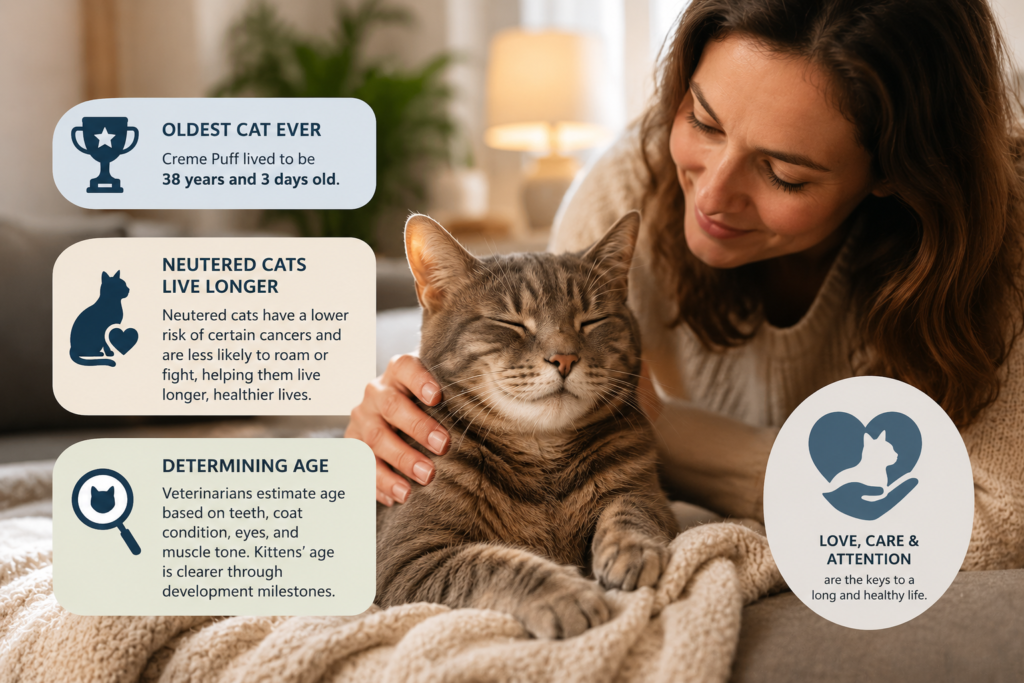
The oldest cat on record was Creme Puff, who lived to be an astonishing 38 years and 3 days old.
Do neutered cats live longer?
Yes, studies generally indicate that neutered cats tend to live longer than intact cats. Neutering eliminates the risk of certain reproductive cancers and reduces behaviors that lead to injury, such as roaming and fighting.
How can I tell my cat’s age?
Determining a cat’s exact age can be challenging without a known history. Veterinarians often estimate age based on dental health, coat condition, eye clarity, and muscle tone. Kittens have a clearer age progression based on teeth eruption and development.
Ensuring a Long and Healthy Life for Your Feline Companion
The question of how long do cats live is complex, with answers shaped by a blend of genetics, environment, and dedicated care. While some factors are beyond an owner’s control, the significant influence of proper nutrition, consistent veterinary attention, and a safe, enriching environment cannot be overstated. By prioritizing these aspects of feline welfare, cat owners can provide their companions with the best possible chance to achieve their maximum potential lifespan, enjoying many years of companionship and joy.
