




Selecting the Best Dog Food: A Guide to Optimal Canine Nutrition
Choosing the best dog food plays a critical role in a dog’s health, longevity, and overall well-being. Selecting the right food is a key decision for every pet owner, directly impacting their companion’s energy, coat health, and digestion. This guide explains how to select nutritious food for your pet while considering important factors for their overall health.
Understanding Your Dog’s Unique Nutritional Requirements
A single approach doesn’t suit all canine nutrition. Each dog’s dietary needs vary significantly based on age, breed, activity, and health status.Understanding these unique requirements is the first step toward making an informed choice for your dog’s diet.
Age-Specific Nutrition: From Puppyhood to Senior Years
- Puppies require diets rich in protein, fats, and minerals for rapid growth. The best dog food for puppies is typically higher in calories and nutrients.
- Adult dogs need a balanced diet for maintenance.
- Senior dogs often benefit from diets with appropriate calories, higher fiber, and nutrients that support healthy joints. Their food should also be suited to their changing nutritional needs as they age.

Addressing Health Concerns: Best Dog Food for Sensitive Stomachs and Other Issues
Diet can manage various health conditions. For dogs with allergies or digestive upset, identifying the best dog food for sensitive stomachs involves selecting formulas with limited ingredients, novel proteins, or easily digestible carbohydrates. Prioritizing healthy dog food options means considering your dog’s individual health profile.
Dietary Preferences and Restrictions: Exploring Grain-Free Options
Grain-free dog food removes common grains, replacing them with alternatives like peas or sweet potatoes.. While some dogs with specific grain sensitivities may benefit, for most, grains are a valuable nutrient source. If considering the best grain-free dog food, consult your veterinarian.
Key Factors When Selecting the Right Food for Your Dog
Once you understand your dog’s individual needs, the next step is evaluating different food products. Carefully read the labels and compare ingredients, nutrition, and quality before making your choice.
Decoding Dog Food Labels: Ingredients to Look For and Avoid
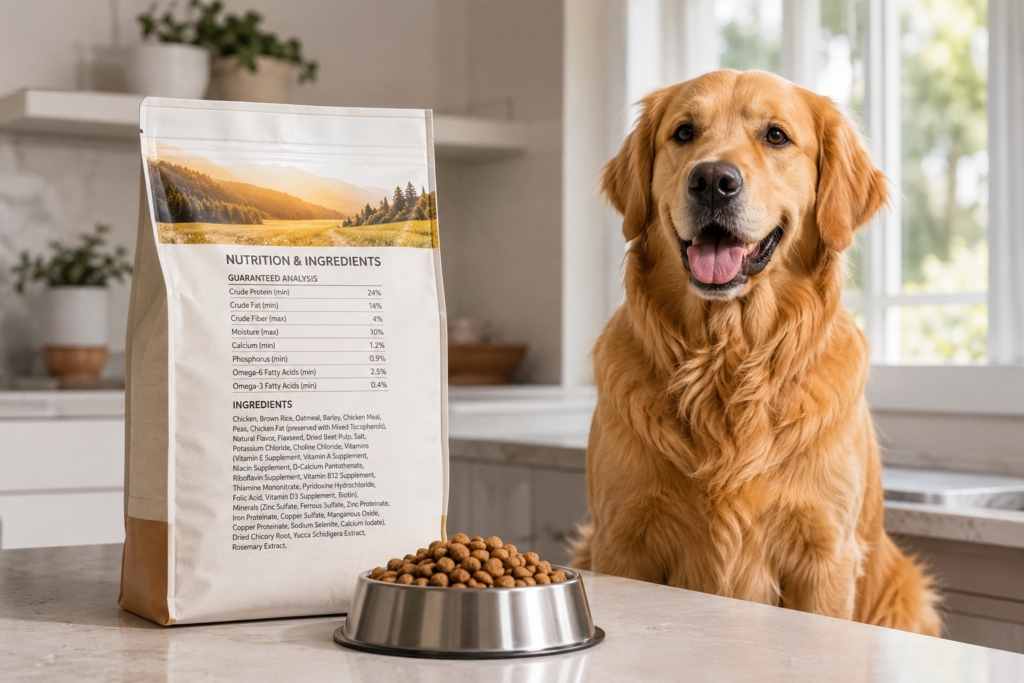
Understanding a dog food label is essential:
- Ingredient List: Look for a whole, named meat source (e.g., “chicken”) as the first one or two ingredients. Beneficial additions include whole grains (if not grain-free), vegetables, fruits, and healthy fats.
- Guaranteed Analysis: Shows minimum protein/fat and maximum fiber/moisture.
- Nutritional Adequacy Statement: Confirms the food is complete and balanced for a specific life stage (e.g., AAFCO statement).
Be aware of ingredients to avoid, such as artificial colors, flavors, preservatives like BHA and BHT, excessive fillers, and added sugar. Prioritize nutritious options with transparent ingredient lists and minimal artificial additives.
Wet vs. Dry Dog Food: Pros, Cons, and Combination Feeding
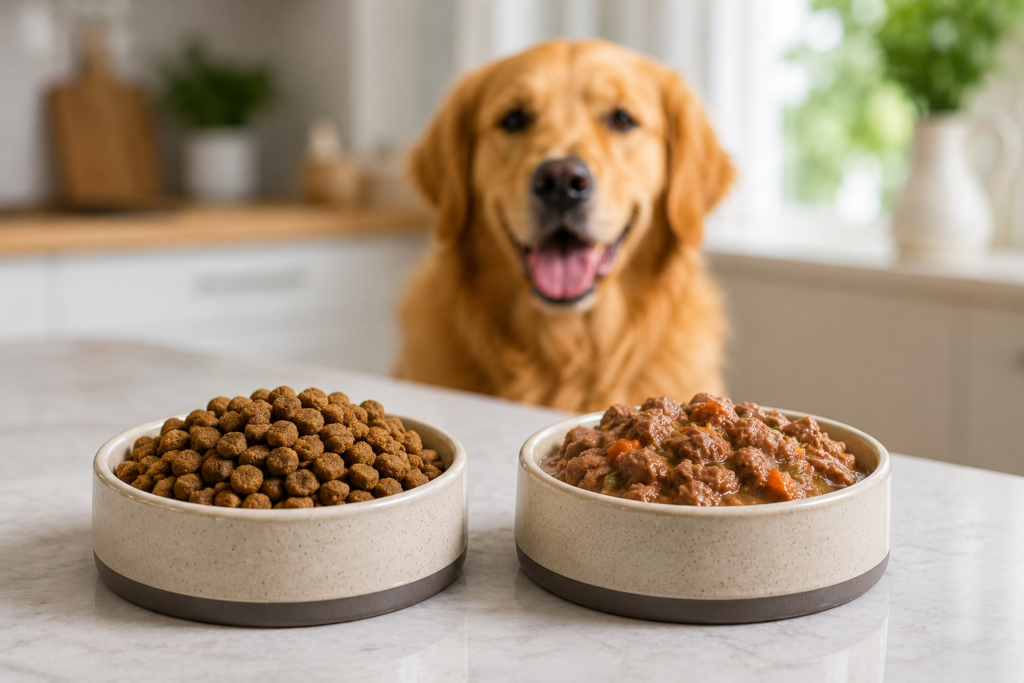
- Dry Kibble: Convenient, cost-effective, and can aid dental health. The best dry dog food is easy to store.
- Wet Food: Higher moisture, more palatable, and aids hydration. The best wet dog food is often preferred for palatability.
- Combination Feeding: Many owners mix dry kibble with wet food for combined benefits.
Budget Considerations: Finding Affordable Best Dog Food Options
Quality nutrition doesn’t always have to be expensiveMany affordable options provide complete and balanced nutrition.Focus on the ingredient list and nutritional adequacy statement over just brand name. Buying larger bags can reduce cost per serving.
Top-Rated Dog Food Options and Reputable Brands
Choosing quality dog food means looking for key characteristics such as high-quality ingredients, evidence-based nutrition, and a strong track record for safety and quality.for key characteristics such as high-quality ingredients, evidence-based nutrition, and a strong track record for safety and quality.
Healthy Dog Food Options for Overall Wellness
Generally, healthy dog food options feature:
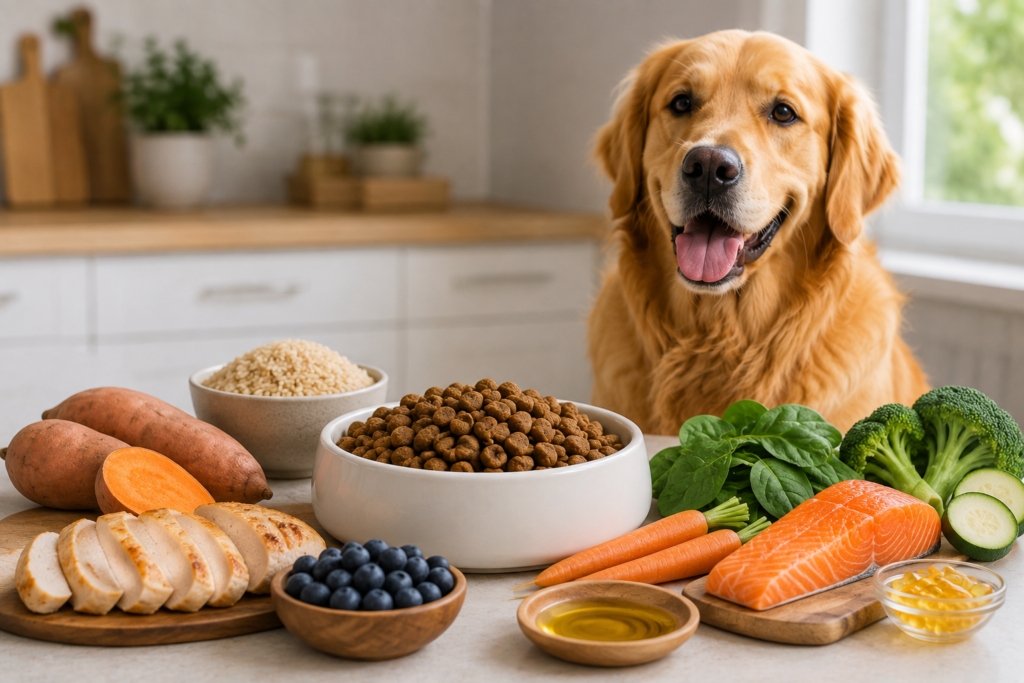
- High-quality protein: Named animal proteins as primary ingredients.
- Complex carbohydrates: Like sweet potatoes or brown rice.
- Healthy fats: Omega-3 and omega-6 for skin, coat, and brain.
- Fruits and vegetables: For vitamins and antioxidants.
- No artificial additives: Free from artificial colors, flavors, and preservatives.
- Appropriate nutrient balance: Meeting AAFCO standards.
Specific Considerations for Different Needs
Dry food: Choose a formula with quality protein, balanced nutrients, and a kibble size suitable for your dog’s age and breed.
Wet food: Look for high moisture content, quality protein sources, and complete and balanced nutrition.
Puppies: Growing dogs need a nutrient-dense diet formulated to support healthy growth and development.
Senior dogs: Older dogs may benefit from appropriate calorie levels, quality protein, and nutrients that support healthy joints and mobility.
Sensitive stomachs: Consider easily digestible ingredients and carefully selected protein sources, especially if your dog has digestive sensitivities.
Grain-free diets: These are not necessary for every dog. If your dog has a specific dietary need, discuss whether a grain-free formula is appropriate with your veterinarian.
Frequently Asked Questions About Dog Food
How do I transition my dog to a new food?
Transition gradually over 7-10 days to prevent digestive upset. Mix new food with old, slowly increasing the new food’s proportion:
- Days 1-2: 25% new, 75% old
- Days 3-4: 50% new, 50% old
- Days 5-6: 75% new, 25% old
- Days 7-10: 100% new
Monitor your dog for any digestive distress.
Are raw food diets safe for dogs?
Raw food diets carry risks like bacterial contamination and require careful formulation for nutritional completeness. Consult a veterinary nutritionist if considering a raw diet.
When should I consult a veterinarian about my dog’s diet?
Consult your veterinarian if your dog experiences:
- Persistent digestive issues
- Sudden weight changes
- Changes in appetite or energy
- Skin or coat problems
- Any new health conditions potentially diet-related.
Your vet can provide personalized advice on the best dog food for your dog’s specific needs.
Conclusion: Making an Informed Choice for Your Dog’s Health
Choosing the right food is an important decision that can significantly affect your dog’s health and happiness. Consider your dog’s age, activity level, and individual nutritional needs when selecting a suitable diet. By reading food labels carefully and understanding essential nutrients, you can make a more informed choice. Prioritizing healthy dog food options means selecting a complete and balanced diet that supports your dog’s overall well-being. If you’re unsure which diet is appropriate, consult your veterinarian for personalized guidance.
