




The Expert Guide to the Best Cat Flea Products for Effective Prevention and Treatment
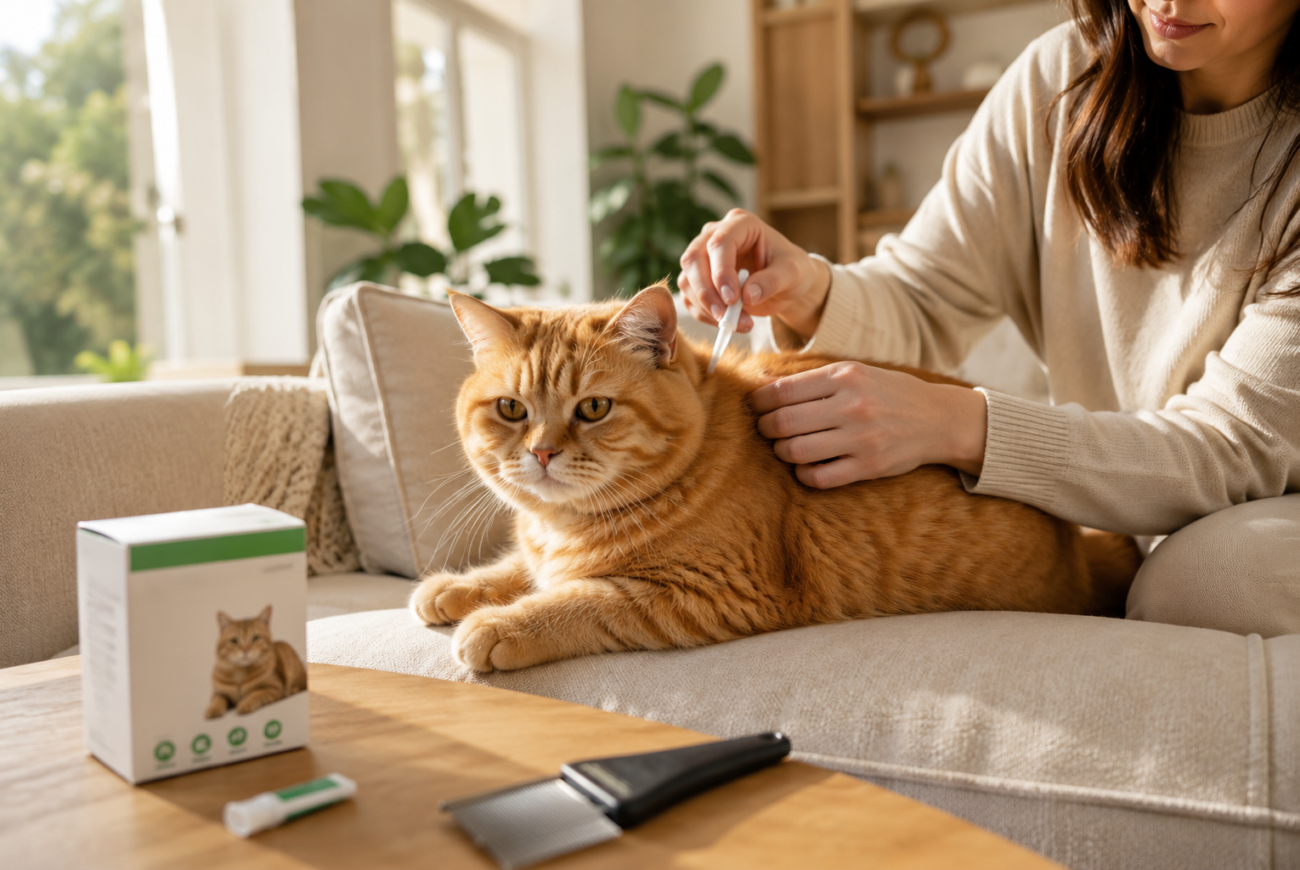
Fleas are more than just an annoyance. They are persistent parasites that can cause discomfort and health problems for your cat. Choose the best cat flea products to protect your cat from fleas and related health problems. Flea infestations can cause itching, skin irritation, flea allergy dermatitis, anemia, and tapeworms. Protecting your cat requires a proactive approach, starting with selecting the right best cat flea products. A nutritious diet also supports healthy skin and a stronger immune system. Learn more in our Wet Cat Food Nutrition Guide.This guide explains the best ways to treat existing flea infestations. It also covers effective flea prevention strategies to keep your cat healthy and comfortable.
Understanding the Enemy: The Flea Life Cycle and Its Impact on Cats
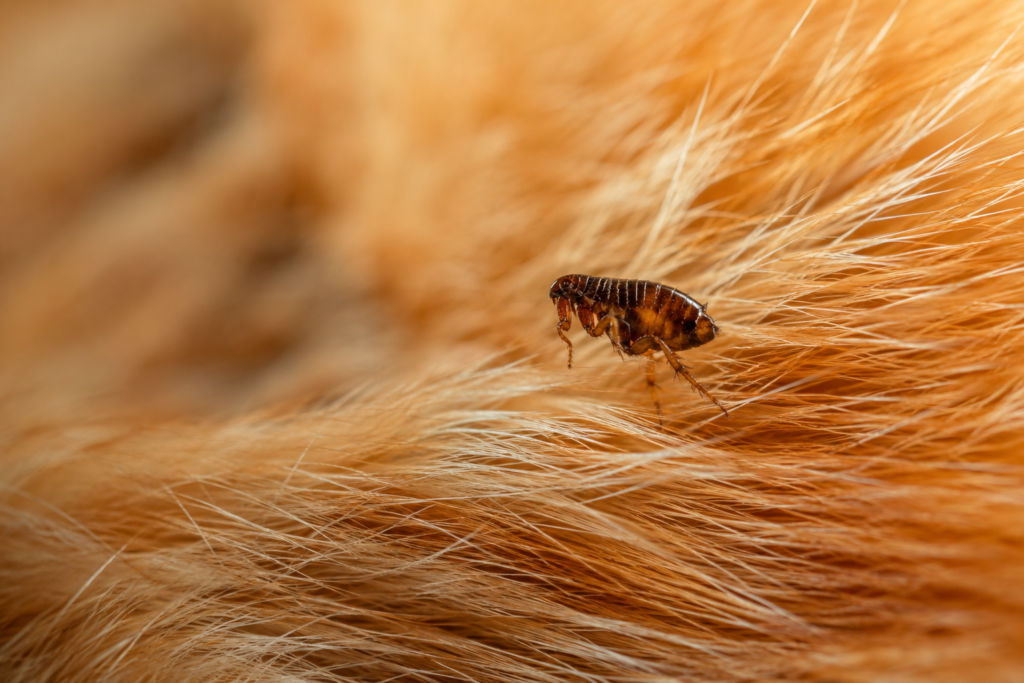
To effectively address a flea problem, it’s essential to understand the enemy: the flea itself. Fleas undergo a four-stage life cycle: egg, larva, pupa, and adult. Adult fleas live on your cat, feeding on blood and laying eggs. These eggs fall off your cat into the environment. They hatch into larvae that feed on organic debris, including adult flea feces.Larvae spin cocoons and become pupae. They can remain dormant for months before emerging as adult fleas.Understanding this cycle helps you learn how to get rid of fleas on cats. Treatment must target every life stage.
Common signs of a flea infestation include excessive scratching, licking, or biting, especially around the tail base, groin, and neck. You might also observe “flea dirt” (flea feces, which looks like black pepper flakes) on your cat’s fur or bedding. Health issues stemming from fleas can range from mild irritation to serious conditions:
- Flea Allergy Dermatitis (FAD): An allergic reaction to flea saliva, causing intense itching, hair loss, scabs, and skin infections. Even a few flea bites can trigger severe FAD in sensitive cats.
- Anemia: Heavy infestations, particularly in kittens or elderly cats, can lead to significant blood loss, resulting in anemia, which can be life-threatening.
- Tapeworms: Fleas can transmit tapeworm larvae. If a cat ingests an infected flea while grooming, the tapeworm can develop in their intestines.
Effective flea treatment for cats must break this life cycle and alleviate these health concerns.
Types of Flea Treatment for Cats: A Comprehensive Overview
The market offers a wide array of flea treatment for cats, each with distinct mechanisms and applications. Choosing among the best cat flea products depends on your cat’s specific needs, lifestyle, and the severity of the infestation.
Topical Spot-Ons: Convenient and Long-Lasting Flea Prevention
Topical spot-on treatments are among the most popular and effective methods for cat flea prevention and treatment.Apply these products to a small area between the shoulder blades.Cats cannot lick the treatment off.The active ingredients spread across the skin or enter the sebaceous glands. This provides protection for several weeks.Common ingredients include fipronil, selamectin, imidacloprid, and dinotefuran. They disrupt the flea’s nervous system, causing paralysis and death.They are generally easy to apply and offer consistent, long-lasting protection.
Oral Flea Medication for Cats: Fast-Acting Relief and Systemic Protection
Oral flea medication for cats provides systemic protection. The cat’s bloodstream absorbs the active ingredients. When fleas bite the treated cat, they ingest the medication and are killed. These medications are often fast-acting, with some products starting to kill fleas within 30 minutes to a few hours. They are available as chewable tablets or liquid formulations. Oral medications are particularly beneficial for cats with skin sensitivities to topical products or those living in environments where topical treatments might rub off. They come in two main types: quick-kill options designed to rapidly eliminate adult fleas during an active infestation, and monthly preventative options that offer sustained protection.
If you’re looking for a fast-acting oral flea treatment, Capstar Fast-Acting Oral Flea Treatment for Cats is a popular option that begins killing adult fleas within 30 minutes and is commonly used for active flea infestations.
Flea Shampoos for Cats: Immediate but Temporary Solutions
Flea shampoo for cats can provide immediate relief by washing away adult fleas present on your cat’s coat. This method is useful for quickly reducing a heavy flea burden, especially when you need to know how to get rid of fleas on cats quickly. However, flea shampoos offer no residual protection once the cat is dry. Use them as the first step in your treatment plan. Then follow with a longer-lasting spot-on or oral medication. When using flea shampoo, ensure it is specifically formulated for cats, as dog shampoos or those with certain insecticides can be toxic to felines.
If you’re looking for a flea shampoo, Adams Plus Flea & Tick Foaming Shampoo for Cats is a popular choice that helps eliminate fleas while cleaning your cat’s coat.
Flea Collars, Sprays, and Powders: Niche Applications
- Flea Collars: Modern flea collars can be effective, releasing active ingredients that spread over the cat’s skin and coat. Older, less effective collars often only repelled fleas around the neck area. When considering a flea collar, look for those with veterinary-approved active ingredients and a breakaway safety feature.
- Flea Sprays: Sprays can offer quick knockdown of fleas on contact. They are useful for localized infestations or for treating bedding. However, many cats dislike sprays, and consistent, thorough application can be challenging.
- Flea Powders: Powders are generally less effective than other flea treatment for cats options and can be messy. They may provide some immediate relief but lack the sustained action needed for comprehensive control.
These options often serve niche roles or complement more robust treatments rather than acting as standalone solutions for severe or ongoing infestations.
Natural Flea Remedies for Cats: What Works and What Doesn’t
Many pet owners seek natural flea remedies for cats, hoping to avoid chemical treatments. While some natural approaches might offer mild repellent properties, their efficacy in treating or preventing established infestations is often limited and lacks scientific backing compared to conventional veterinary products. Common natural methods include:
- Essential Oils: Oils like cedarwood, peppermint, or lavender are sometimes suggested. However, many essential oils are toxic to cats, even in small amounts, and can cause liver damage, respiratory issues, or neurological problems. Their use is generally not recommended.
- Diatomaceous Earth (DE): Food-grade DE can kill fleas by dehydrating their exoskeletons. It can be sprinkled on carpets or bedding, but its effectiveness on the cat itself is minimal, and inhaling the dust can be irritating.
- Apple Cider Vinegar: Some believe ACV can repel fleas. While it might alter the cat’s skin pH, there’s no scientific evidence it effectively kills or repels fleas.
- Brewer’s Yeast/Garlic: These are often touted as internal repellents, but there’s no scientific proof they work, and garlic can be toxic to cats.
For serious infestations or reliable flea treatment for cats, veterinary-approved products are generally safer and more effective than unproven natural remedies.
Choosing the Best Cat Flea Products: A Buying Guide for Pet Parents
Selecting the best cat flea products requires careful consideration of several factors to ensure effective and safe flea treatment for cats. This guide will help you make an informed decision for top rated cat flea control.
Age and Weight Considerations: Safe Flea Treatment for Kittens and Adults
One of the most critical factors is your cat’s age and weight. Products are formulated with specific dosages for different weight ranges. Using a product designed for a larger cat on a smaller cat or kitten can lead to overdose and severe toxicity. Conversely, using a product for a smaller cat on a larger cat may render it ineffective. Always check the product label for age and weight specifications. For very young cats, finding a safe flea treatment for kittens is paramount, as their developing systems are more sensitive to chemicals. Many products are not safe for kittens under 8 weeks of age or those weighing less than a certain amount.
Lifestyle Factors: Best Flea Treatment for Indoor Cats vs. Outdoor Cats
Your cat’s lifestyle significantly influences the type of protection needed. Even best flea treatment for indoor cats is important, as fleas can hitchhike into your home on clothing, other pets, or even rodents. However, outdoor cats face a much higher risk of exposure to fleas and ticks. For outdoor cats, a product offering broad-spectrum protection, often referred to as flea and tick medicine for cats, is highly recommended. This ensures comprehensive cat flea prevention against multiple parasites. Indoor cats might benefit from a flea-only product, but if they have any outdoor access, even supervised, or if you have other pets that go outside, dual protection is a wise choice.
Severity of Infestation and Speed of Action
Consider whether you are dealing with an active, heavy infestation or primarily focusing on ongoing prevention. If you need to know how to get rid of fleas on cats quickly due to a severe infestation, a fast-acting oral medication or a flea shampoo followed by a residual treatment might be appropriate. For routine cat flea prevention, a monthly spot-on or oral preventative is usually sufficient.
Active Ingredients and Their Efficacy
Different active ingredients target fleas in various ways:
- Fipronil: A broad-spectrum insecticide that disrupts the flea’s central nervous system, often found in spot-ons.
- Selamectin: Kills adult fleas, flea eggs, and larvae, and also treats other parasites like heartworms and ear mites.
- Imidacloprid: Works by interfering with the flea’s nervous system, causing paralysis and death.
- Nitenpyram: A fast-acting oral insecticide that starts killing adult fleas within 30 minutes.
- Lufenuron: An insect growth regulator (IGR) that prevents flea eggs from hatching, breaking the life cycle.
Understanding these ingredients helps you choose the most effective flea treatment for cats among the best cat flea products.
Combination Products: Flea and Tick Medicine for Cats
Combination products are ideal for outdoor cats. They protect against both fleas and ticks. These products control fleas and ticks with one application. They also provide strong flea prevention.Always choose a product labeled for cats. Some dog flea treatments are toxic to cats.
Top-Rated Cat Flea Control Products: A Comparison
Compare top rated cat flea control options by their features, pros, and cons. This makes it easier to choose the best cat flea products for effective flea treatment for cats.
Leading Spot-On Treatments for Comprehensive Protection
Effective spot-on treatments are characterized by their ability to provide consistent, long-duration protection, typically for one month. They often contain active ingredients that not only kill adult fleas but also target flea eggs and larvae, effectively breaking the flea life cycle. The best options are waterproof, ensuring efficacy even if your cat gets wet. They are generally easy to apply and are a cornerstone of many cat flea prevention programs, offering broad-spectrum protection against various life stages of fleas.
If you’re looking for a reliable spot-on treatment, PetArmor Plus Flea & Tick Prevention for Cats is a popular monthly option that helps kill fleas, flea eggs, and ticks.
Effective Oral Medications for Rapid Flea Elimination
Oral medications are highly valued for their speed of action. Products designed for rapid flea elimination can start killing fleas within minutes to hours, providing quick relief for cats suffering from active infestations. They are also easy to administer, especially for cats that tolerate pills or liquid medications well, and eliminate concerns about residue on the fur or potential for children or other pets to come into contact with topical treatments. This makes them an excellent choice for how to get rid of fleas on cats when immediate results are needed.
Gentle Solutions: Safe Flea Treatment for Kittens and Sensitive Cats
For the youngest felines or those with sensitive skin, specialized products are formulated to be gentle yet effective. These often have lower concentrations of active ingredients or use compounds specifically tested for safety in developing systems. When seeking safe flea treatment for kittens, look for products explicitly labeled for their age and weight range. Similarly, for cats prone to skin irritation, some oral medications or specific topical formulations designed for sensitive skin can be the best flea treatment for indoor cats who may react to harsher chemicals.
For kittens and sensitive cats, Advantage II for Cats is a popular monthly treatment that kills fleas through contact and helps break the flea life cycle.
Integrated Flea and Tick Medicine for Cats
For cats that spend time outdoors or live in areas with high tick populations, integrated flea and tick medicine for cats offers invaluable dual protection. These products typically combine ingredients that target both fleas and common tick species, providing comprehensive parasite control. They are a practical choice for robust cat flea prevention, reducing the need for multiple separate treatments and ensuring your cat is protected from a wider range of external parasites.
For cats that spend time outdoors, Frontline Plus for Cats is a trusted monthly treatment that helps protect against fleas, flea eggs, and ticks.
Beyond Treatment: Implementing a Holistic Best Cat Flea Prevention Strategy
Effective cat flea prevention extends beyond simply applying products to your pet. A holistic approach that includes environmental control and regular grooming is essential for truly knowing how to get rid of fleas on cats and keeping them away.
Environmental Control: Cleaning Your Home to Eliminate Fleas
Since a significant portion of the flea population (eggs, larvae, pupae) resides in the environment, treating your home is as important as treating your cat. Here’s how to tackle environmental fleas:
- Vacuum Regularly: Vacuum carpets, rugs, upholstery, and cracks in floors frequently. The vibrations can stimulate pupae to emerge, making them vulnerable to vacuuming. Immediately dispose of the vacuum bag outside your home.
- Wash Bedding: Wash all pet bedding, blankets, and your own bedding in hot water weekly.
- Steam Clean: Consider steam cleaning carpets and upholstery to kill fleas at all life stages.
- Household Flea Sprays/Foggers: For severe infestations, veterinary-approved household flea sprays or foggers containing insect growth regulators (IGRs) can be effective. Always follow product instructions carefully and ensure proper ventilation.
Regular Grooming and Monitoring
Regular grooming is not just for aesthetics; it’s a vital part of your cat flea prevention strategy. Brushing your cat frequently allows you to inspect their coat for signs of fleas or flea dirt. Using a fine-toothed flea comb can physically remove adult fleas, especially around the neck and tail base. This early detection can help you address a potential infestation before it becomes severe, making any subsequent flea treatment for cats more manageable.
Frequently Asked Questions About Best Cat Flea Products
Understanding the nuances of best cat flea products can be complex. Here are answers to common questions to help you ensure effective flea treatment for cats and robust cat flea prevention.
How often should I apply flea treatment to my cat?
The frequency of application depends entirely on the specific product you are using. Most topical spot-ons and oral preventative medications are designed for monthly application. Some flea collars can last for several months. Always refer to the manufacturer’s instructions on the product packaging for precise dosing and reapplication schedules. Consistent application is key for effective cat flea prevention.
Can I use dog flea products on my cat?
Absolutely not. Using dog flea products on cats can be extremely dangerous and potentially fatal. Many dog flea and tick treatments contain permethrin or other pyrethroids, which are highly toxic to cats. Cats lack the specific liver enzymes needed to metabolize these compounds, leading to severe neurological symptoms, seizures, and even death. Always use products specifically formulated and labeled for felines when considering flea treatment for cats.
What if my cat still has fleas after treatment?
If your cat still has fleas after treatment, several factors could be at play. First, ensure the product was applied correctly and that it was appropriate for your cat’s age and weight. Second, remember that most treatments kill adult fleas, but pupae in the environment are resistant to insecticides and can continue to emerge. This means you might see new fleas for several weeks as they hatch and then jump onto your treated cat, where they will eventually die. A persistent environmental infestation is a common reason for seeing fleas after treatment. You may need to intensify your environmental cleaning efforts or consult your veterinarian for advice on how to get rid of fleas on cats in such cases. Rarely, flea resistance to certain active ingredients can occur.
Are natural flea remedies for cats truly effective?
While the appeal of natural flea remedies for cats is understandable, most lack scientific evidence of efficacy comparable to veterinary-approved products. Many popular “natural” solutions, such as essential oils, can be toxic to cats. While some methods like diatomaceous earth might have limited use in environmental control, they are generally not sufficient for treating or preventing an active infestation on your cat. For reliable and safe flea control, it is best to rely on products recommended by your veterinarian.
Is flea and tick medicine for cats necessary for indoor cats?
Yes, flea and tick medicine for cats is often necessary even for indoor cats. Fleas and ticks can enter your home in various ways: on your clothing, on other pets, or even through open doors and windows. Once inside, they can quickly establish an infestation. Regular best flea treatment for indoor cats ensures they are protected from these opportunistic parasites and prevents a home infestation from taking hold. Comprehensive flea and tick medicine for cats is particularly important if you live in an area with a high tick population or if your indoor cat has any supervised outdoor access.
Conclusion: Ensuring Your Cat’s Comfort and Health with the Right Flea Control
Protecting your cat from fleas is a continuous effort that significantly contributes to their overall health and well-being. By understanding the flea life cycle, carefully selecting the best cat flea products tailored to your cat’s age, weight, and lifestyle, and implementing a comprehensive cat flea prevention strategy that includes environmental control, you can effectively manage and eliminate these pervasive parasites. Whether you choose topical spot-ons, oral medications, or a combination of approaches, consistent application and vigilance are key. For personalized advice on flea treatment for cats and to determine the most suitable top rated cat flea control options for your specific situation, always consult with your veterinarian. Their expertise will guide you in making the best choices to keep your feline friend happy, healthy, and flea-free.